Ngorongoro Conservation Area
Africa’s Natural Wonder and Tanzania’s Wildlife Paradise
Ngorongoro Overview
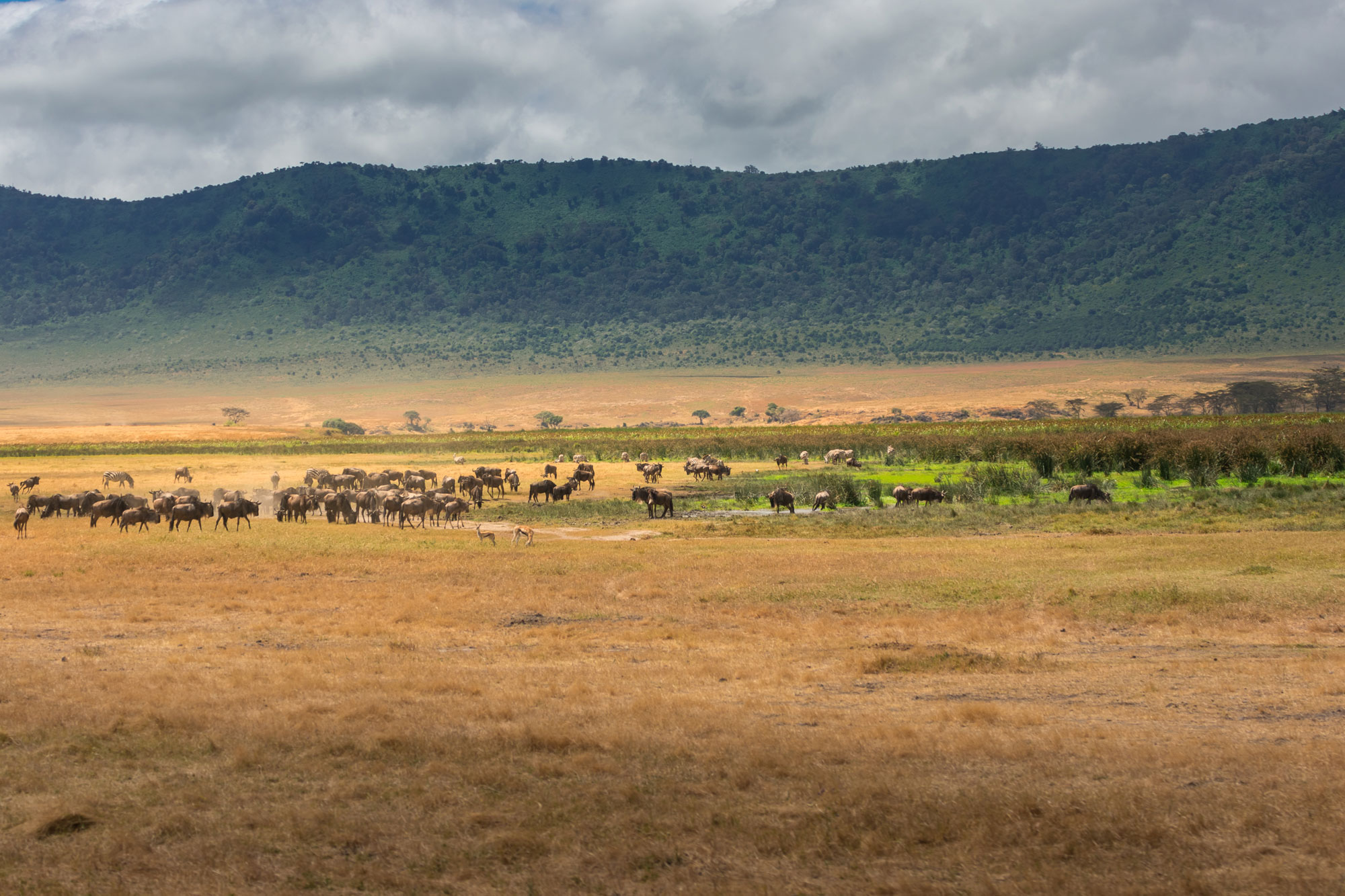
Ngorongoro Crater is one of the most extraordinary natural attractions in the world and one of Tanzania’s most visited safari destinations. Located within the Ngorongoro Conservation Area in northern Tanzania, the crater is the world’s largest intact and inactive volcanic caldera. Formed approximately 2 to 3 million years ago after the collapse of a massive volcano, the crater now creates a unique ecosystem that supports an exceptional concentration of wildlife throughout the year.
Covering nearly 260 square kilometers (100 square miles) with walls rising about 600 meters (2,000 feet) from the crater floor, Ngorongoro forms a natural enclosure where wildlife thrives in remarkable numbers. Unlike many other safari destinations where animals migrate seasonally, the crater’s permanent water sources, fertile grasslands, forests, and swamps provide everything needed for wildlife to remain within the crater year-round. This makes Ngorongoro one of the best places in Africa to enjoy consistent game viewing in a single day.
Recognized as part of the UNESCO World Heritage listed Ngorongoro Conservation Area, the crater is celebrated not only for its incredible biodiversity but also for its geological significance, archaeological discoveries, and cultural heritage. It is one of the few places on Earth where wildlife conservation and the traditional lifestyle of the Maasai people exist side by side, creating a destination that offers visitors both exceptional wildlife encounters and meaningful cultural experiences.
History of Ngorongoro Crater
Millions of years ago, a massive volcanic mountain, believed to have been as high as Mount Kilimanjaro, dominated northern Tanzania. After a series of powerful eruptions, the volcano emptied its magma chamber and eventually collapsed inward, creating the enormous caldera that is now known as Ngorongoro Crater. Over time, rainfall, volcanic soils, and natural vegetation transformed the crater floor into one of Africa’s richest wildlife habitats.
Long before the arrival of modern conservation efforts, the area was inhabited by early humans. Archaeological discoveries within the nearby Olduvai Gorge have revealed some of the earliest evidence of human evolution, earning the region global recognition as one of the most important paleoanthropological sites in the world. Fossils discovered here have helped scientists understand the origins of humanity and continue to attract researchers from across the globe.
The Maasai people later settled in the region and continue to live within the Ngorongoro Conservation Area today. Unlike national parks where permanent human settlement is prohibited, the conservation area was created to allow wildlife conservation and traditional Maasai pastoralism to coexist. This unique management system has become an internationally recognized example of balancing conservation with cultural preservation.
Geography and Landscape
Ngorongoro Crater offers one of the most diverse landscapes in East Africa despite its relatively compact size. Descending from the crater rim to the floor reveals an extraordinary variety of ecosystems, each supporting different wildlife species.
The crater floor consists of:
- Vast open grasslands
- Freshwater lakes
- Seasonal marshes
- Acacia woodlands
- Lerai Forest
- Permanent springs
- River channels
- Swamps
- Volcanic plains
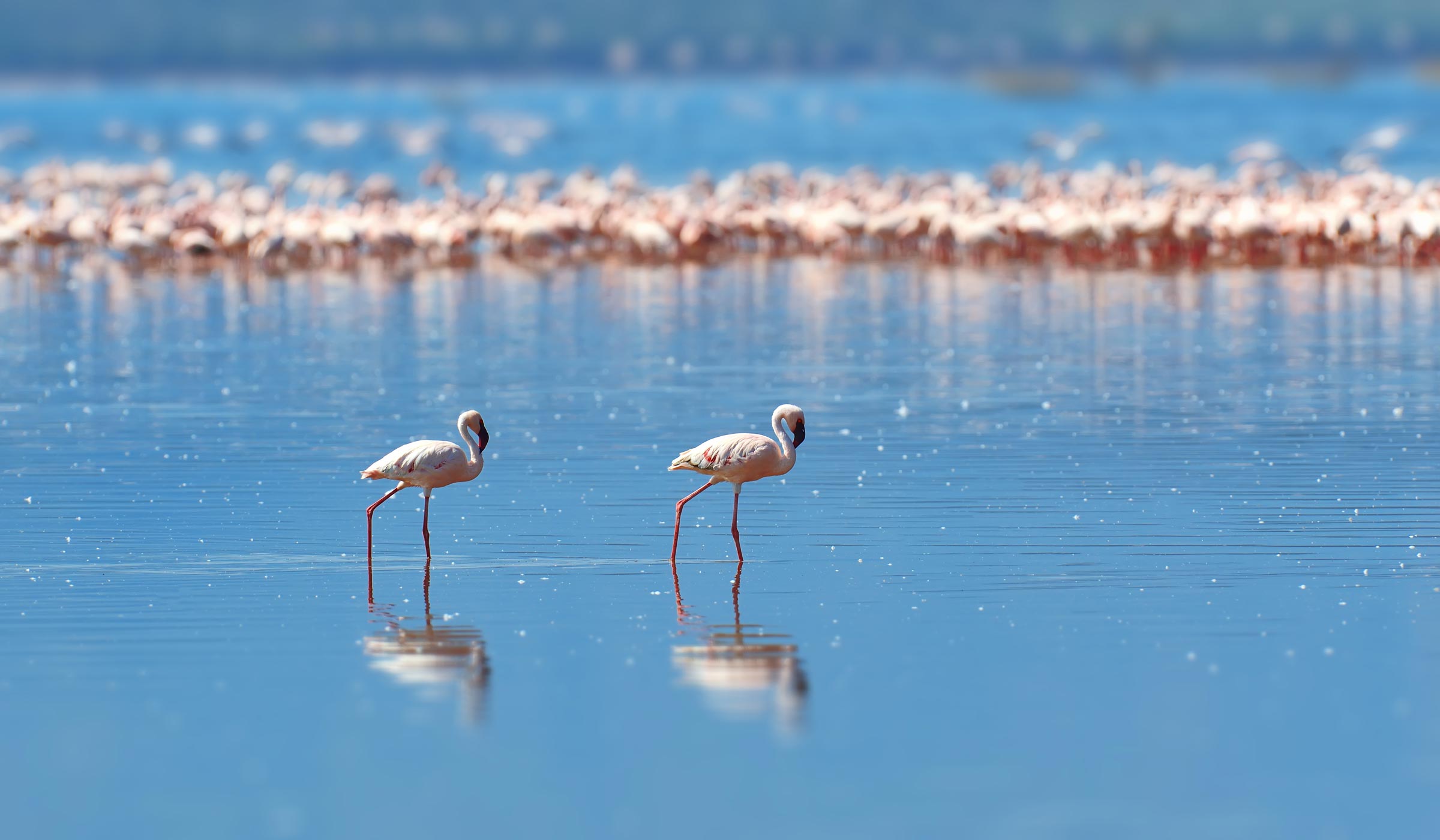
The famous Lake Magadi, located in the center of the crater, is a shallow alkaline lake that attracts thousands of flamingos during favorable conditions. Around the lake, visitors may observe hippos, waterbirds, and numerous grazing animals that depend on the surrounding wetlands.
The fertile volcanic soils support lush vegetation throughout the year, while permanent freshwater springs ensure wildlife has reliable access to water even during the dry season. This combination of habitats allows an incredible diversity of animals to live within a relatively small area, making every game drive exceptionally rewarding.
Wildlife in Ngorongoro Crater
The Big Five
Ngorongoro Crater is one of the few places in Africa where visitors have an excellent chance of seeing all members of the legendary Big Five during a single game drive.
African Lion
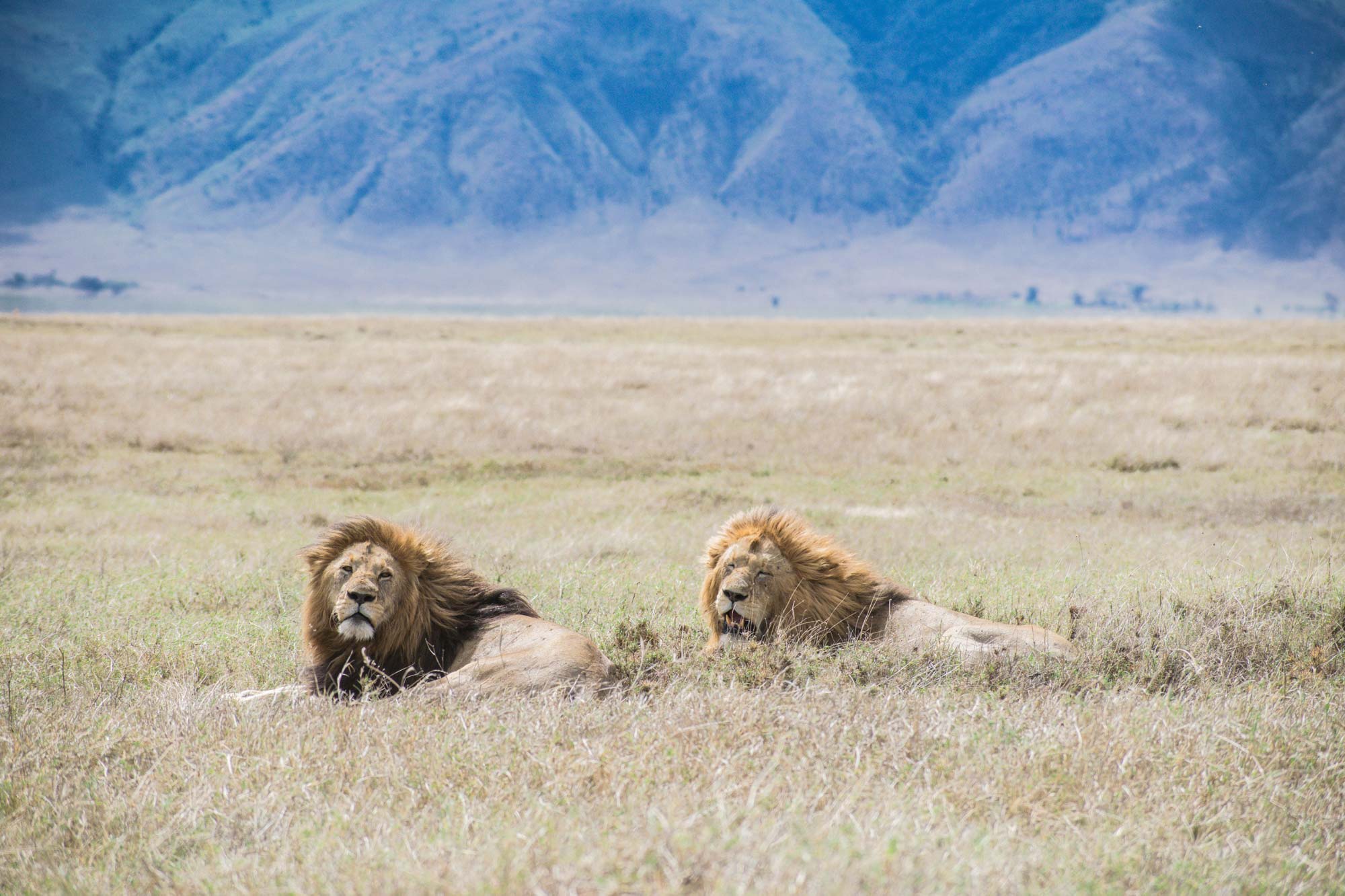
Several lion prides inhabit the crater permanently. These lions have adapted to life within the caldera and are often seen resting on open grasslands, hunting wildebeest or buffalo, or relaxing beneath acacia trees during the heat of the day.
African Elephant
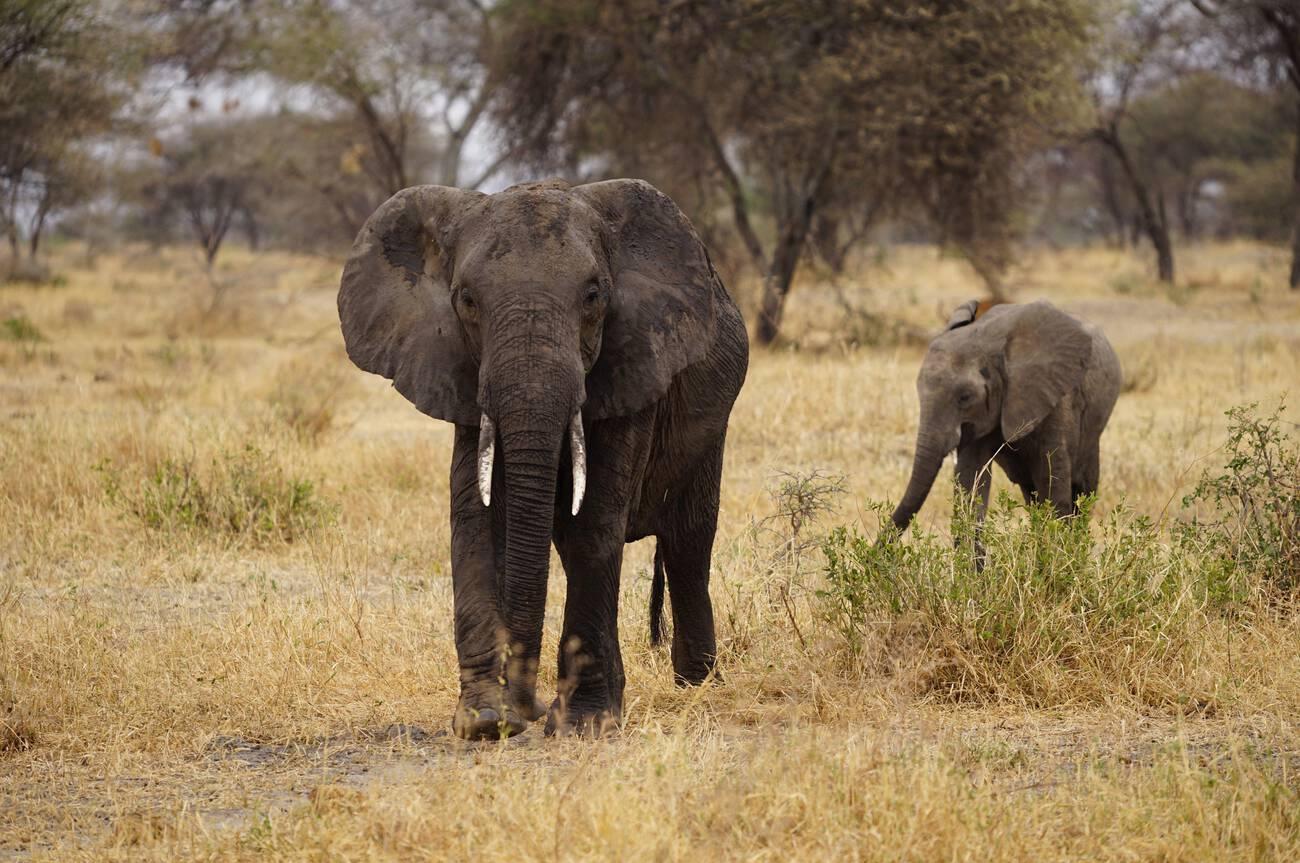
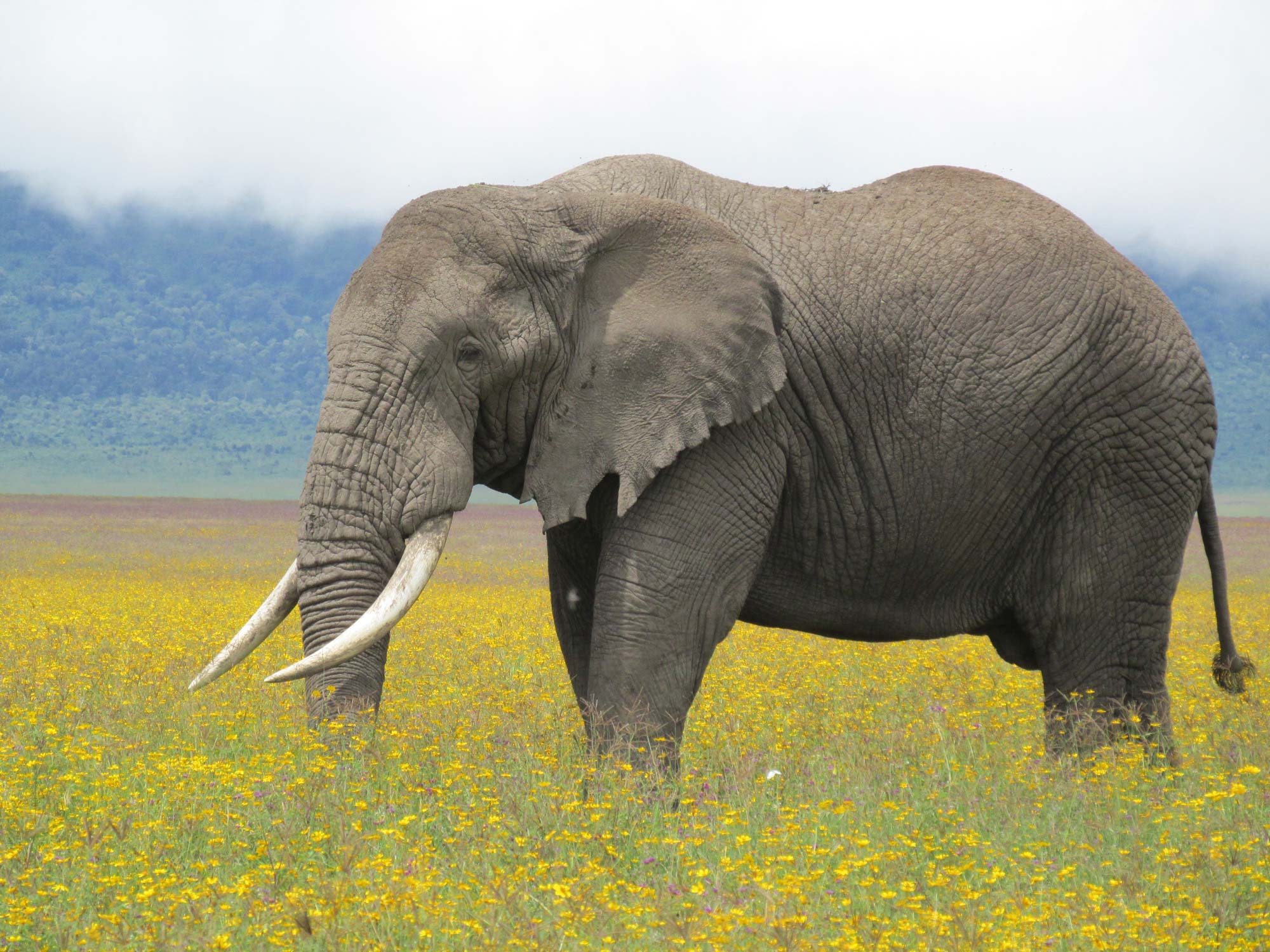
The crater is home mainly to large bull elephants with impressive tusks. Mature males frequently descend from the surrounding highlands to feed in the crater, where food and water are available throughout the year.
African Leopard
Leopards are less frequently seen than lions but occasionally appear in the Lerai Forest and wooded sections of the crater. Their elusive nature makes every sighting particularly memorable.
African Buffalo
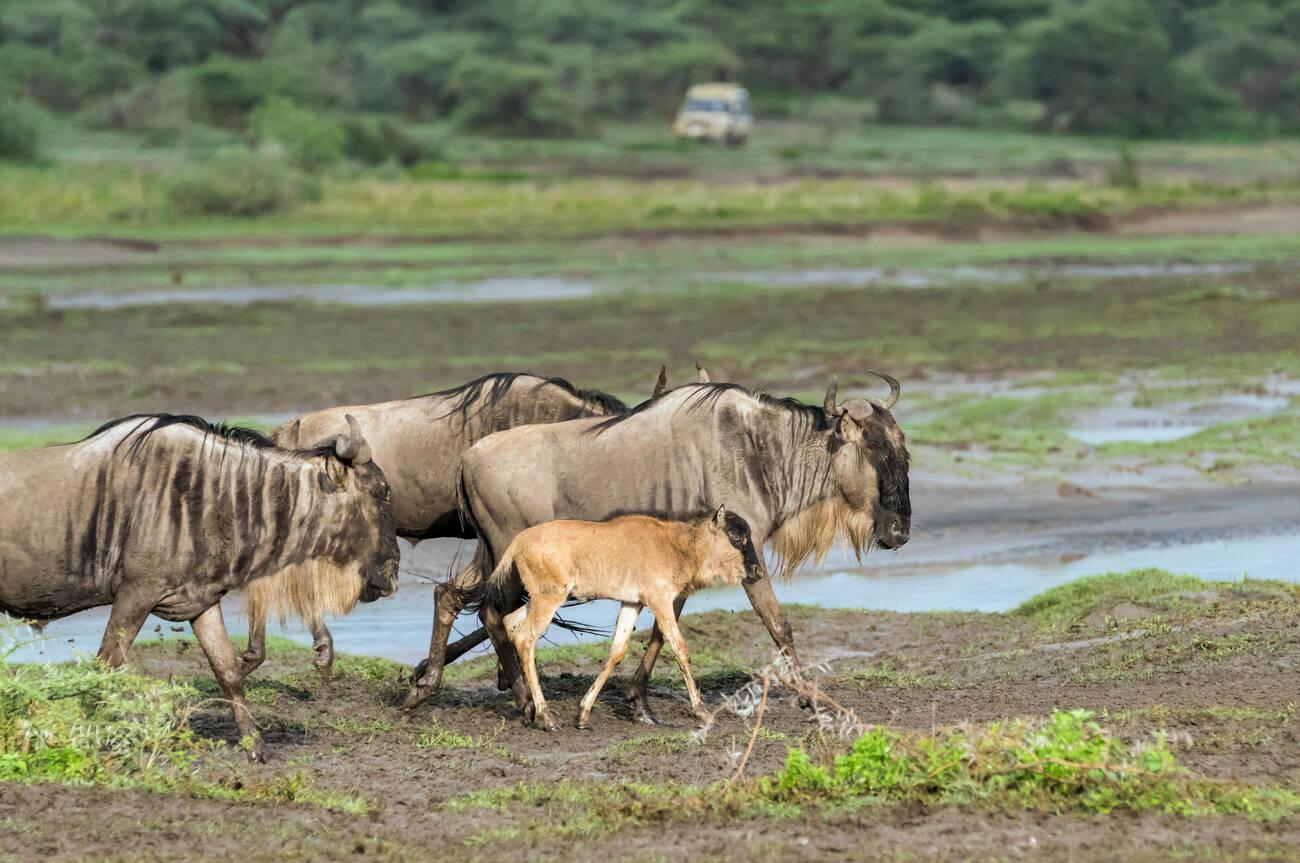
Large buffalo herds are among the most common animals inside the crater. They graze across the open plains and often gather near water sources, where they coexist with zebras, wildebeest, and gazelles.
Black Rhinoceros
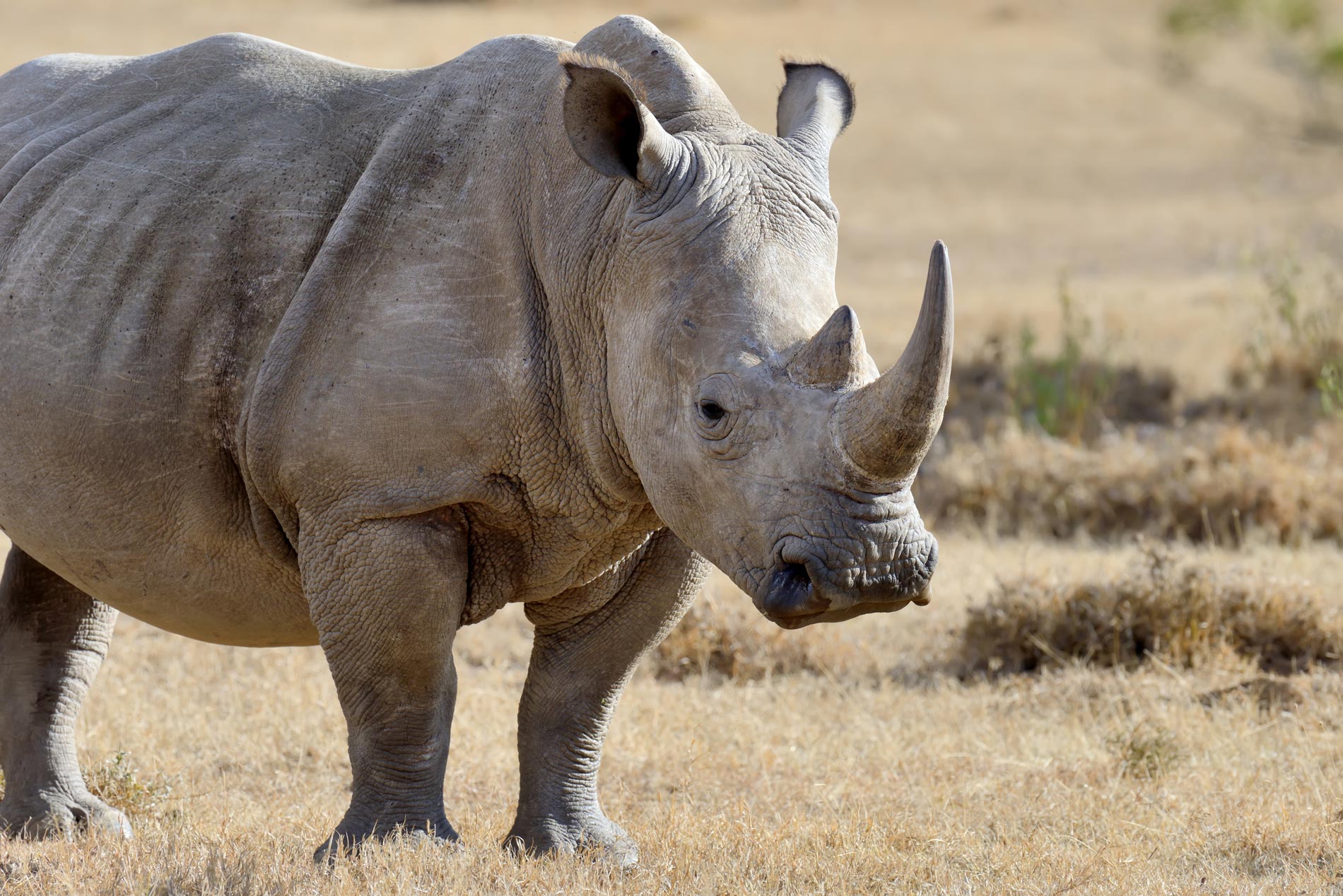
Ngorongoro Crater is one of the last strongholds for Tanzania’s endangered black rhino. Intensive conservation efforts have helped maintain this rare population, making the crater one of the best places in East Africa to observe these magnificent animals in their natural habitat.
The Maasai People and Cultural Heritage
One of the unique characteristics of the Ngorongoro Conservation Area is the continued presence of the Maasai people, whose colorful traditions and pastoral lifestyle remain closely connected to the landscape.
Visitors may have opportunities to visit Maasai villages, where they can learn about:
- Traditional homes (Manyattas)
- Maasai customs and ceremonies
- Livestock herding
- Traditional clothing and beadwork
- Local music and dance
- Indigenous knowledge of wildlife and nature
Responsible cultural tourism helps support local communities while allowing visitors to gain a deeper appreciation of Tanzania’s cultural heritage.
Activities in Ngorongoro Crater
Game Drives
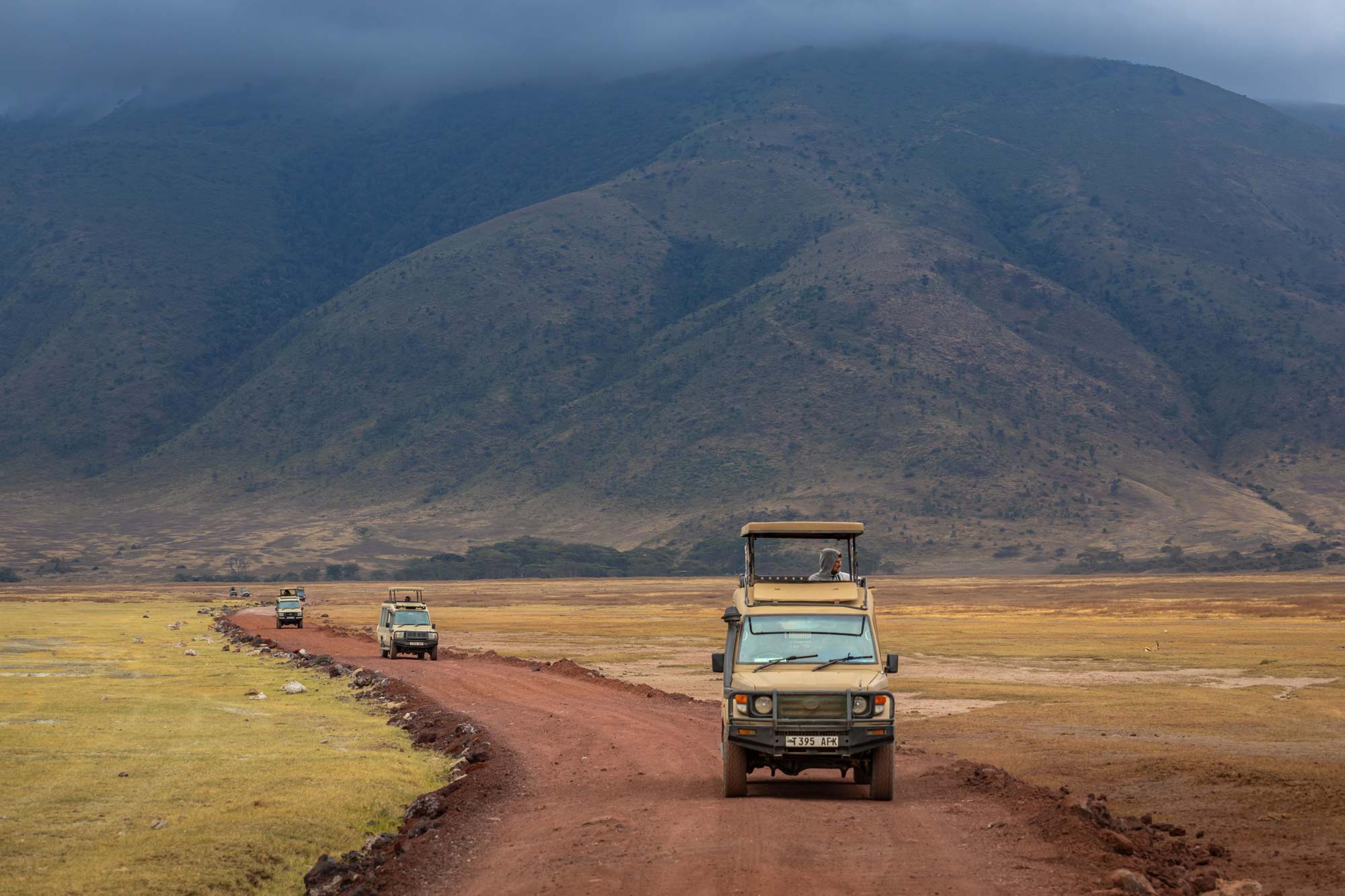
Descending into the crater at sunrise offers the best opportunity to observe wildlife when animals are most active. Experienced guides help visitors locate predators, interpret animal behavior, and explain the unique ecology of the crater.
Wildlife Photography
The combination of dramatic scenery, open landscapes, and abundant wildlife makes Ngorongoro one of Africa’s premier photography destinations.
Bird Watching
With wetlands, forests, lakes, and grasslands in close proximity, bird lovers can observe an impressive variety of resident and migratory species.
Cultural Tours
Visits to Maasai communities provide insight into one of East Africa’s most famous indigenous cultures.
Crater Rim Walks
Guided walks along designated sections of the crater rim offer spectacular panoramic views and opportunities to appreciate the area’s geology and vegetation.
Olduvai Gorge Excursions
Many visitors combine their safari with a visit to Olduvai Gorge, where some of the world’s most significant early human fossils have been discovered.
Best Time to Visit Ngorongoro Crater
Ngorongoro Crater offers excellent wildlife viewing throughout the year.
June – October (Dry Season)
The dry season provides cooler temperatures, excellent road conditions, and easier wildlife viewing as vegetation becomes shorter.
November – May (Green Season)
The rainy months transform the crater into a lush green paradise. Birdlife flourishes, flowers bloom across the highlands, and photography becomes especially rewarding due to vibrant scenery and dramatic skies.
Because wildlife remains within the crater year-round, visitors can enjoy exceptional game viewing regardless of when they travel.
Why Visit Ngorongoro Crater?
Ngorongoro Crater offers one of the richest safari experiences in Africa. Its extraordinary concentration of wildlife, dramatic volcanic landscape, permanent water sources, endangered black rhinos, thriving lion population, and breathtaking scenery make it a destination unlike any other.
Unlike many safari parks where wildlife is spread across vast distances, Ngorongoro allows visitors to encounter an incredible diversity of animals within a relatively compact area. Combined with its geological history, UNESCO World Heritage status, Maasai cultural heritage, and proximity to Serengeti National Park, the crater forms an essential part of Tanzania’s famous Northern Safari Circuit.
Whether you dream of photographing lions against sweeping grasslands, watching flamingos gather along the shores of Lake Magadi, observing elephants beneath ancient acacia trees, or standing on the crater rim as the morning mist lifts to reveal one of Earth’s greatest natural landscapes, Ngorongoro Crater promises an unforgettable African safari experience.
Our Gallery
Frequently Asked Questions (FAQs)
Is Ngorongoro Crater worth visiting?
Yes. It is considered one of Africa’s finest safari destinations thanks to its high wildlife density, spectacular scenery, Big Five sightings, and unique volcanic landscape.
Can I see the Big Five in one day?
Many visitors successfully see all members of the Big Five during a single full day game drive, although wildlife sightings can never be guaranteed.
How long should I spend at Ngorongoro Crater?
A full day game drive is ideal for exploring the crater floor, while spending one or two nights on the crater rim allows visitors to enjoy sunrise views and combine the experience with nearby attractions.
Is Ngorongoro suitable for families?
Yes. The crater’s compact size and abundant wildlife make it an excellent destination for families, photographers, first-time safari visitors, and experienced travelers alike.
Can I combine Ngorongoro with Serengeti?
Absolutely. Most travelers include both Ngorongoro Crater and Serengeti National Park in a Northern Tanzania safari itinerary, creating a journey that showcases two of Africa’s most iconic wildlife destinations.
Book Your Safari
Book your Safari today and create unforgettable memories.