Arusha National Park Overview
Arusha National Park is one of Tanzania’s most beautiful and diverse protected areas, offering an exceptional safari experience where spectacular landscapes, abundant wildlife, volcanic mountains, lush forests, sparkling lakes, and rich birdlife come together in one remarkable destination. Although it is one of Tanzania’s smaller national parks, Arusha National Park is renowned for its extraordinary variety of ecosystems packed into a relatively compact area, making it one of the most rewarding parks for nature lovers, photographers, birdwatchers, hikers, and first time safari visitors.
Located just 35 kilometers (22 miles) northeast of Arusha City and approximately 60 kilometers (37 miles) from Kilimanjaro International Airport, the park serves as the gateway to Tanzania’s famous Northern Safari Circuit. It is the closest national park to Arusha and is often the first wildlife destination visited by travelers beginning their Tanzanian adventure.
Unlike many African parks known for vast open plains, Arusha National Park offers an incredible diversity of landscapes. Visitors can explore dense montane forests inhabited by playful blue monkeys and black and white colobus monkeys, drive through open grasslands where giraffes peacefully graze, admire the colorful Momella Lakes filled with thousands of flamingos, and gaze upon the towering slopes of Mount Meru, Tanzania’s second highest mountain.
Landscape of Arusha National Park
One of Arusha National Park’s greatest attractions is its incredible variety of landscapes within a relatively small area. Every section of the park offers a completely different environment, making each game drive feel like exploring several parks in one.
The park includes:
- Tropical montane forests
- Open savannah grasslands
- Volcanic craters
- Freshwater lakes
- Marshes
- Acacia woodlands
- Alpine heath
- Mountain slopes
- Rivers and streams
- Waterfalls
This remarkable diversity creates habitats for hundreds of animal and bird species while offering visitors constantly changing scenery.
Mount Meru – Tanzania's Majestic Volcano
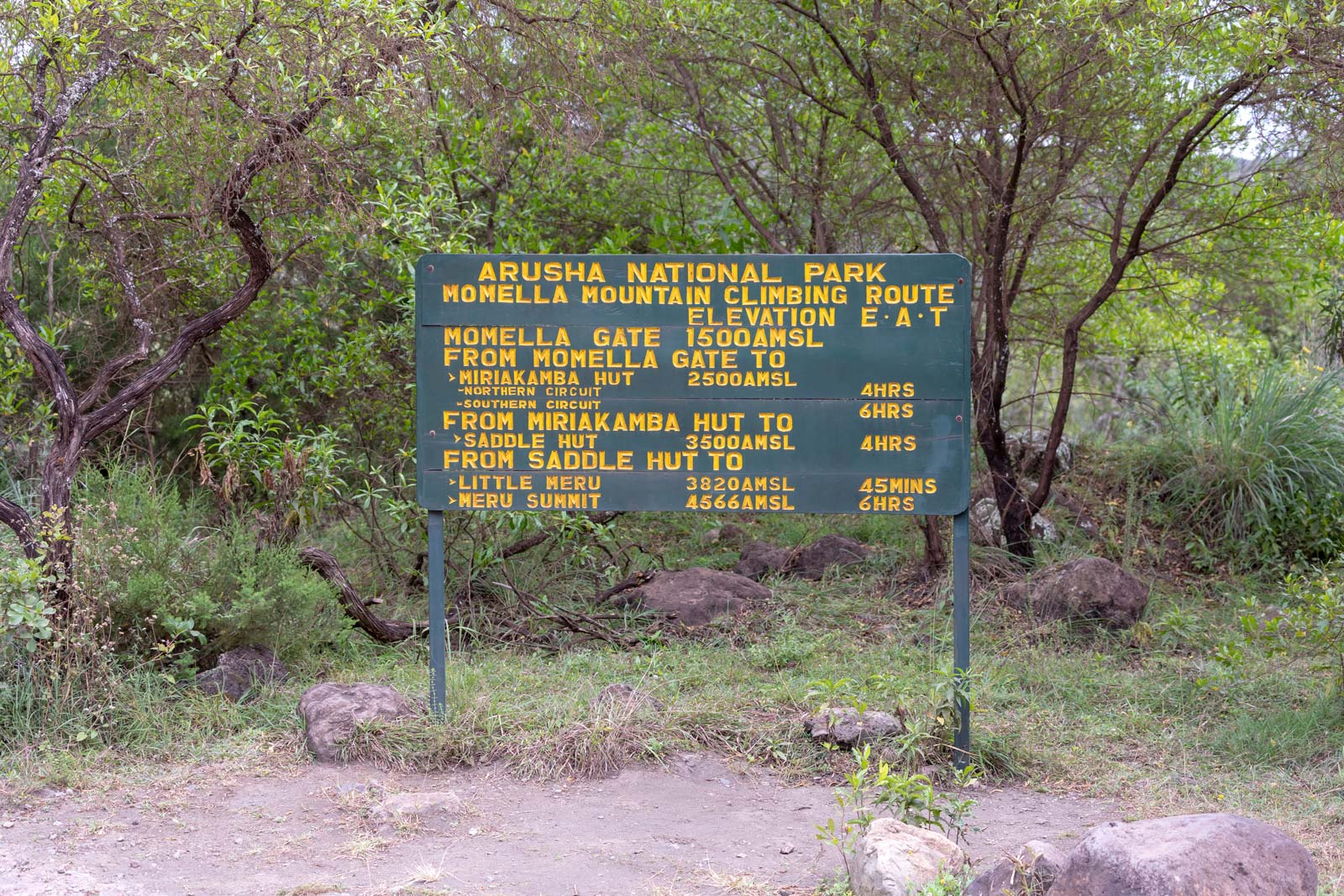
Dominating the park is Mount Meru, an active stratovolcano standing 4,566 meters (14,980 feet) above sea level. It is the second-highest mountain in Tanzania after Mount Kilimanjaro and the fifth-highest mountain in Africa.
Mount Meru is often considered one of Africa’s most rewarding trekking destinations because it combines spectacular scenery with abundant wildlife. Unlike many mountain climbs, the lower slopes of Mount Meru are home to giraffes, buffaloes, zebras, antelopes, monkeys, and numerous bird species, making the ascent feel like both a mountain expedition and a safari.
As hikers climb higher, the landscape changes dramatically from lush rainforest to open heathland and eventually rugged volcanic terrain. The summit rewards climbers with breathtaking panoramic views of Mount Kilimanjaro, the Great Rift Valley, and the surrounding plains.
Many climbers also use Mount Meru as preparation for climbing Mount Kilimanjaro due to its high altitude and challenging terrain.
Momella Lakes
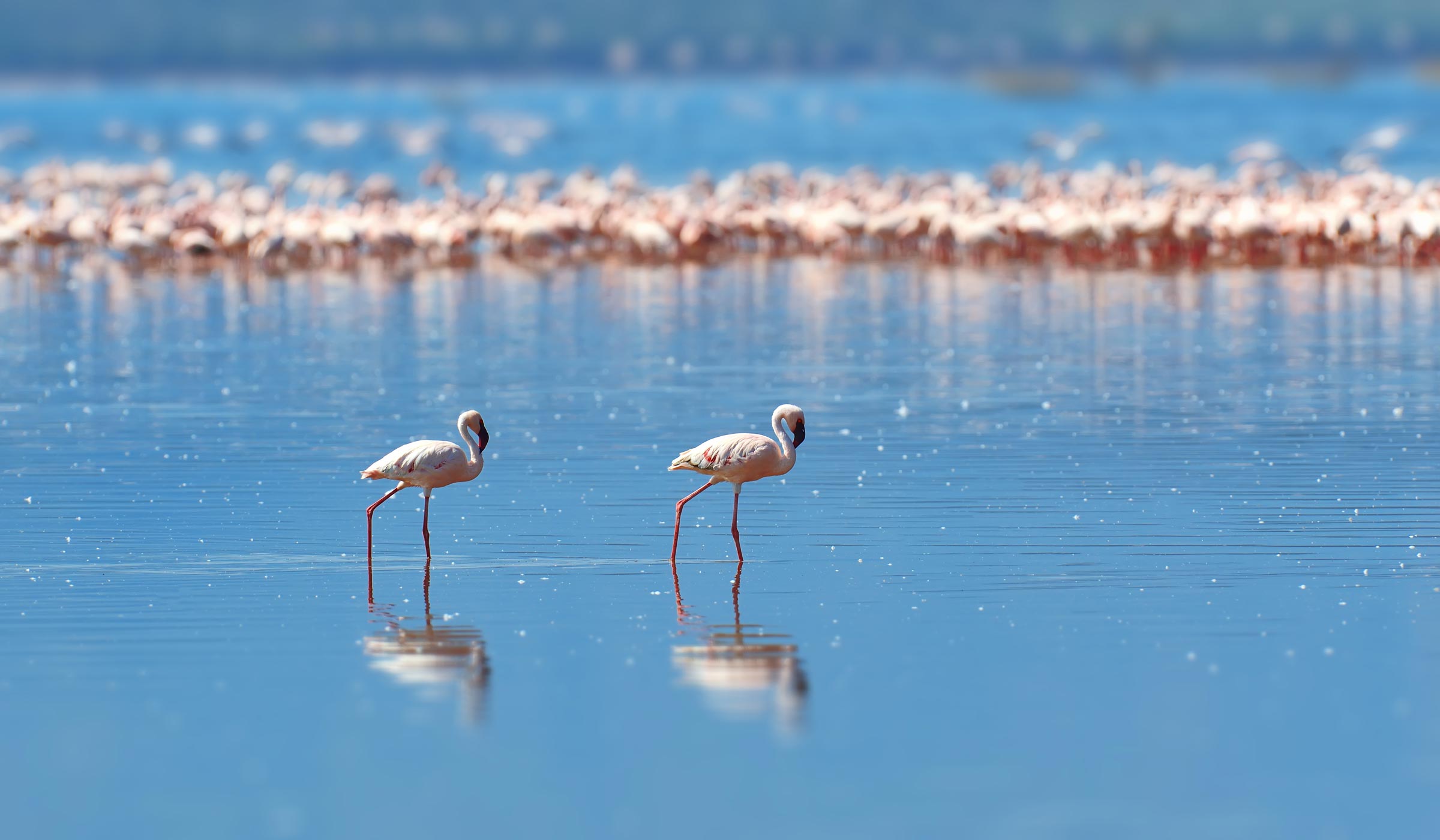
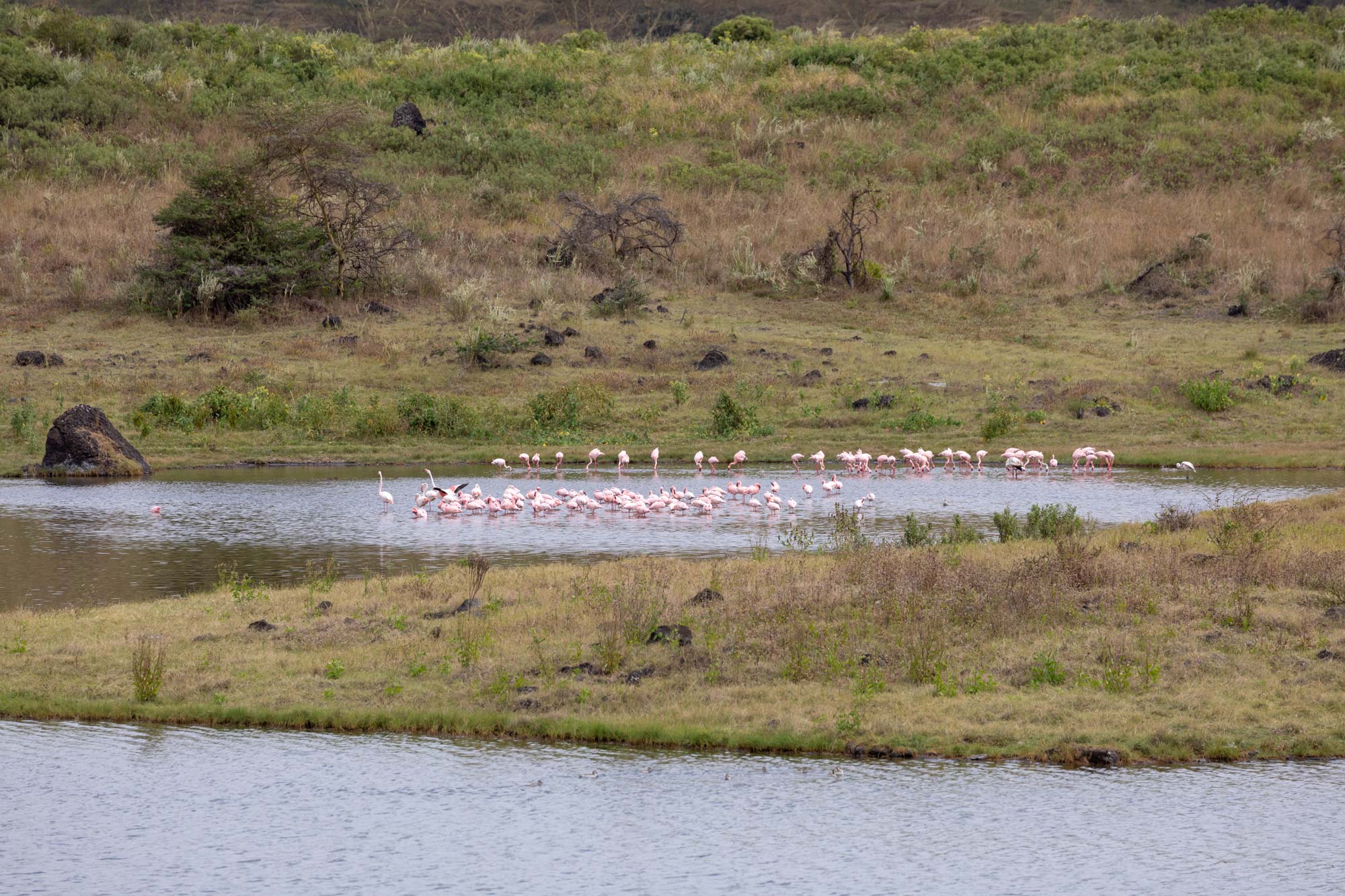
One of the park’s most famous attractions is the beautiful Momella Lakes, a collection of seven shallow alkaline lakes, each with different mineral compositions and colors. Depending on the season, the lakes may appear blue, green, pink, or silver, creating a spectacular natural landscape.
The lakes attract thousands of waterbirds and provide one of Tanzania’s finest birdwatching locations.
Common birds seen around the lakes include:
- Greater Flamingos
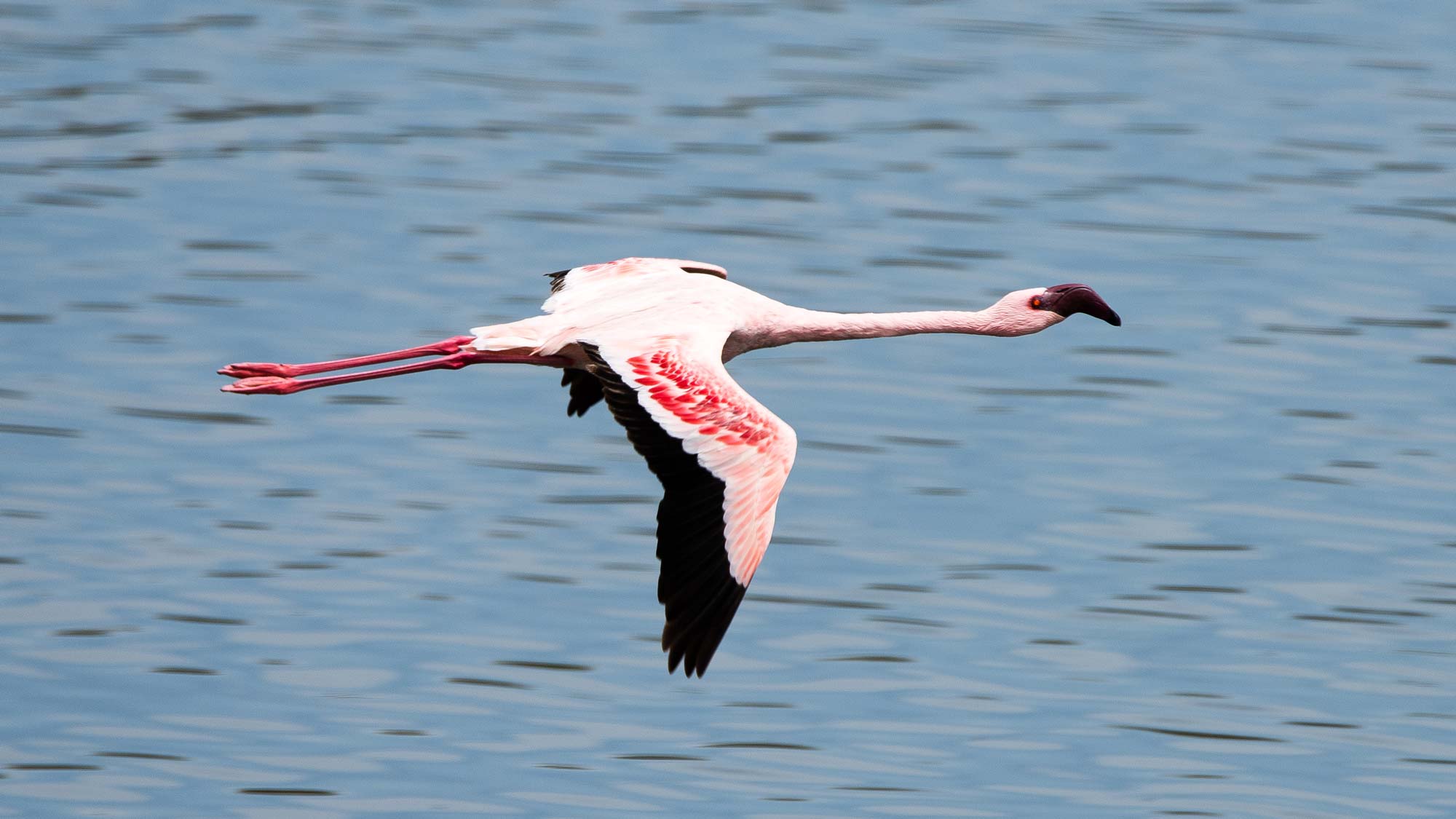
- Lesser Flamingos
- African Fish Eagles
- Egyptian Geese
- African Jacanas
- Great White Pelicans
- Grey Herons
- Cormorants
- Pied Kingfishers
- Sacred Ibises
The peaceful setting also attracts giraffes, buffaloes, zebras, and waterbucks, making the lakes an excellent location for wildlife photography.
Ngurdoto Crater
Often referred to as “Little Ngorongoro,” Ngurdoto Crater is a massive volcanic caldera surrounded by lush forest. Although visitors cannot descend into the crater floor, several viewpoints provide stunning panoramic views of the swampy basin below.
The crater supports wildlife such as:
- Buffaloes
- Warthogs
- Baboons
- Bushbucks
- Waterbucks
- Elephants (occasionally)
- Numerous bird species
The surrounding forest also provides habitat for blue monkeys and black-and-white colobus monkeys.
Wildlife in Arusha National Park
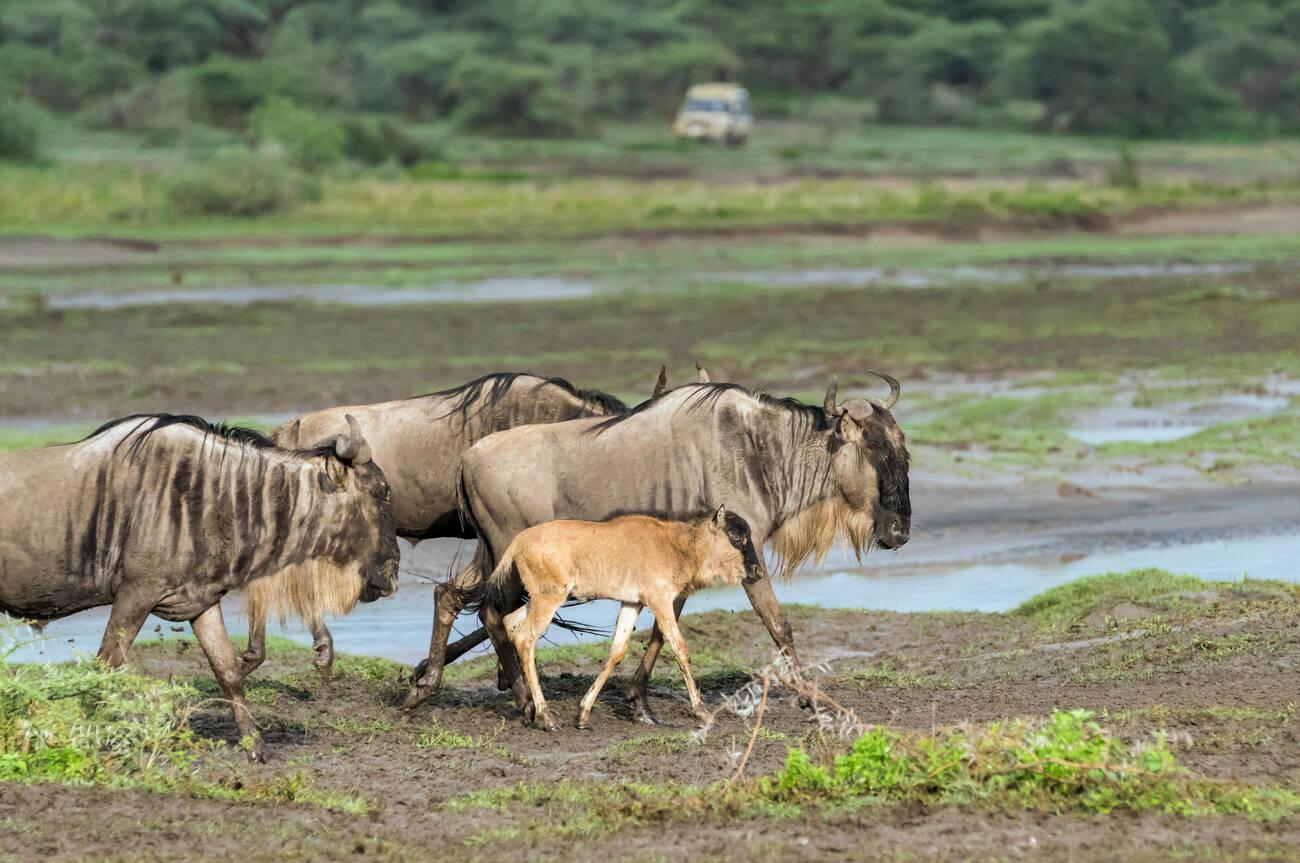
Although Arusha National Park does not contain the Big Five in large numbers, it offers outstanding opportunities to observe many of East Africa’s most iconic animals in peaceful surroundings.
Common wildlife includes:
- Giraffes
- African Buffaloes
- Zebras
- Warthogs
- Waterbucks
- Bushbucks
- Reedbucks
- Hippos
- Blue Monkeys
- Black and White Colobus Monkeys
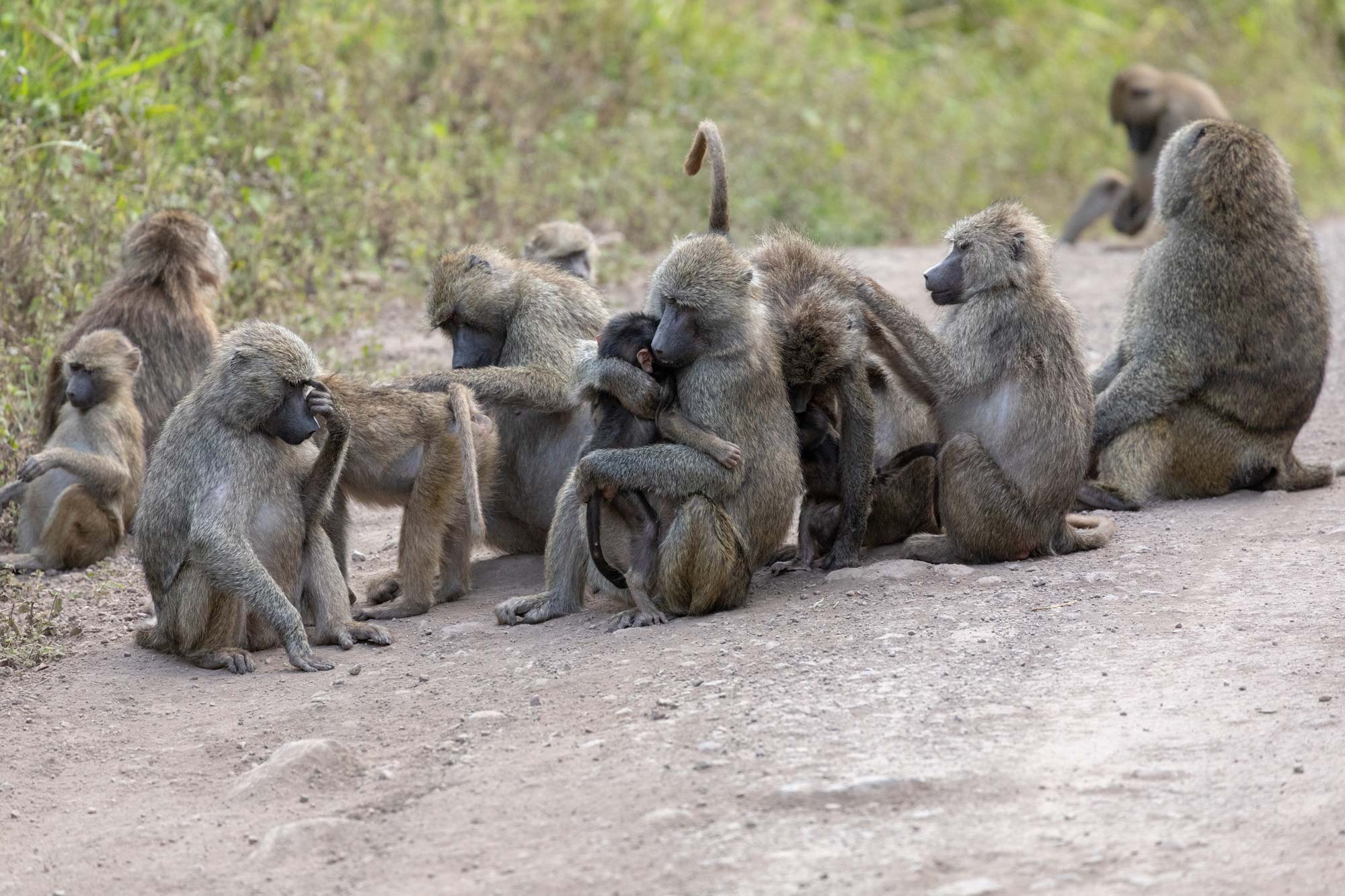
- Olive Baboons
- Dik diks
- Bush Duikers
- Hyenas
- Leopards (rarely seen)
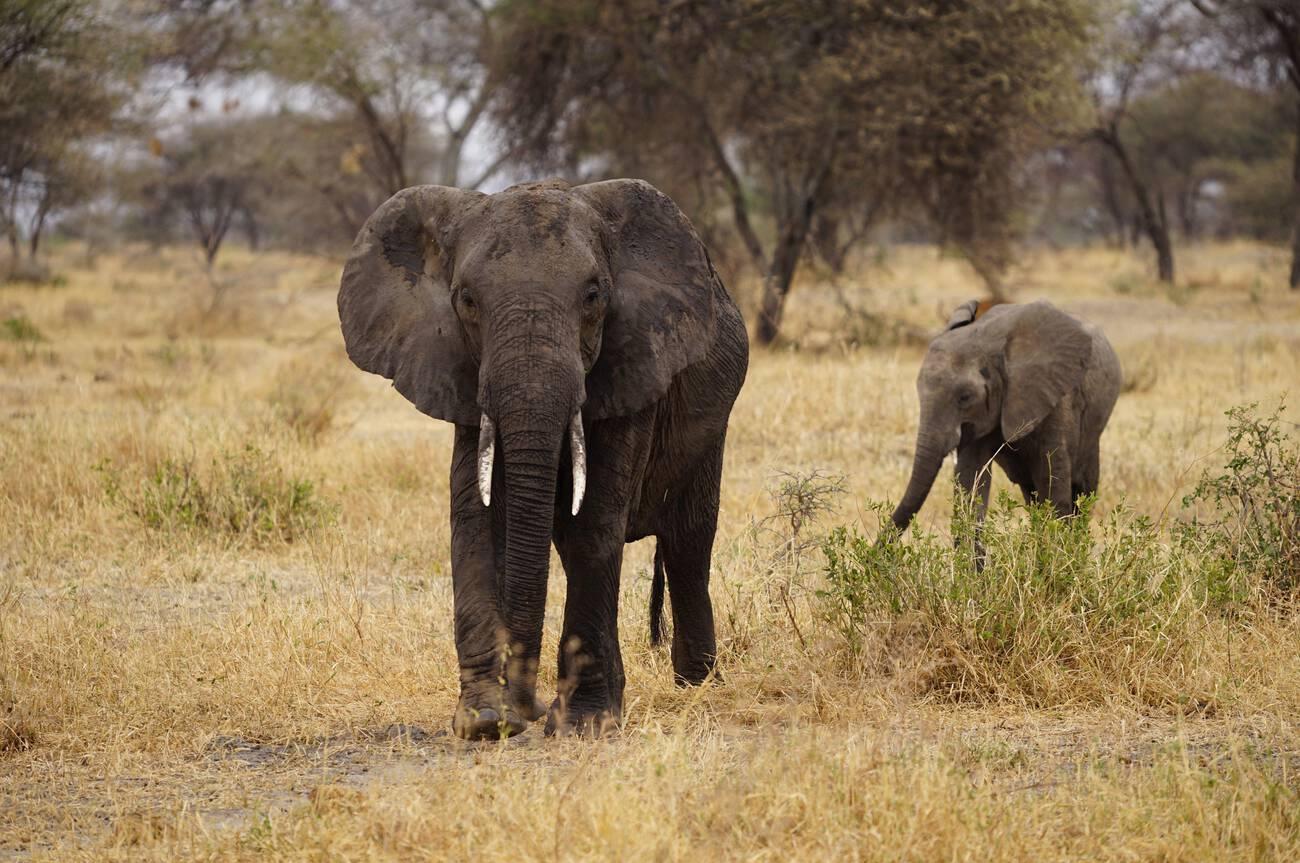
- African Elephants (occasionally)
The park is especially famous for its large population of giraffes, often seen feeding among acacia trees or walking gracefully across open grasslands.
Activities in Arusha National Park
Game Drives
Game drives provide opportunities to explore forests, lakes, grasslands, and volcanic landscapes while observing wildlife in a relaxed environment.
Walking Safaris
Arusha National Park is one of the few parks in Tanzania where visitors can safely enjoy guided walking safaris accompanied by armed park rangers.
Walking through the African wilderness allows visitors to appreciate animal tracks, native plants, birds, insects, and smaller wildlife often missed during vehicle safaris.
Canoe Safaris
A canoe safari on the Momella Lakes offers a unique perspective of the park.
Gliding quietly across the water, visitors may encounter:
- Hippos
- Waterbirds
- Giraffes
- Buffaloes
- Antelopes
- Flamingos
This peaceful activity is perfect for photographers and nature lovers.
Mount Meru Climbing
Mount Meru offers one of Tanzania’s finest trekking adventures.
The climb typically takes 3–4 days and passes through several vegetation zones, from rainforest to alpine desert before reaching the summit.
Highlights include:
- Wildlife encounters
- Scenic mountain trails
- Dramatic volcanic cliffs
- Sunrise from the summit
- Views of Mount Kilimanjaro
Best Time to Visit Arusha National Park
June to October (Dry Season)
This period offers comfortable temperatures, clear skies, and excellent wildlife viewing as animals gather near water sources.
Ideal for:
- Game drives
- Walking safaris
- Mountain trekking
- Photography
November to May (Green Season)
The rainy season transforms the park into a lush green paradise.
Advantages include:
- Beautiful scenery
- Fewer visitors
- Migratory birds
- Excellent bird photography
- Flowing waterfalls
- Fresh vegetation
Why Visit Arusha National Park?
Arusha National Park is unlike any other safari destination in Tanzania. While many parks are famous for large predators or vast savannahs, Arusha offers a unique blend of mountain scenery, volcanic landscapes, peaceful lakes, lush forests, abundant wildlife, and exciting outdoor activities.
It is one of the few places where visitors can enjoy a traditional game drive, walk alongside giraffes with an armed ranger, paddle quietly across a lake surrounded by wildlife, and climb one of Africa’s highest mountains all within the same protected area.
Its close proximity to Arusha and Kilimanjaro International Airport makes it an ideal first or last stop on a Tanzanian safari, while its remarkable scenery and diverse ecosystems ensure an unforgettable experience for families, photographers, birdwatchers, honeymooners, and adventure travelers alike. Whether you spend a single day exploring its forests and lakes or several days climbing Mount Meru, Arusha National Park promises an inspiring journey into one of Tanzania’s most scenic natural treasures.
Our Gallery
Frequently Asked Questions (FAQs)
Is Arusha National Park worth visiting?
Yes. Arusha National Park is one of Tanzania’s most scenic parks, offering diverse landscapes, abundant wildlife, Mount Meru, walking safaris, canoe safaris, and excellent birdwatching just a short drive from Arusha City.
How many days should I spend in Arusha National Park?
A full day safari is ideal for game drives and sightseeing, while 2–4 days are recommended if you plan to climb Mount Meru or enjoy additional activities such as canoeing and walking safaris.
What animals can I see in Arusha National Park?
Visitors commonly see giraffes, buffaloes, zebras, warthogs, waterbucks, bushbucks, hippos, blue monkeys, black-and-white colobus monkeys, baboons, and more than 400 bird species. Leopards and elephants are present but are less frequently seen.
Can I do a walking safari in Arusha National Park?
Yes. Arusha National Park is one of the few national parks in Tanzania that offers guided walking safaris with armed park rangers, providing a unique opportunity to experience wildlife on foot.
Can I combine Arusha National Park with other destinations?
Absolutely. Arusha National Park is often combined with Tarangire National Park, Lake Manyara National Park, Ngorongoro Crater, Serengeti National Park, Materuni Waterfalls, Chemka Hot Springs, Mount Kilimanjaro, and Zanzibar, making it an excellent addition to any Tanzania safari itinerary.
Book Your Safari
Book your Safari today and create unforgettable memories.