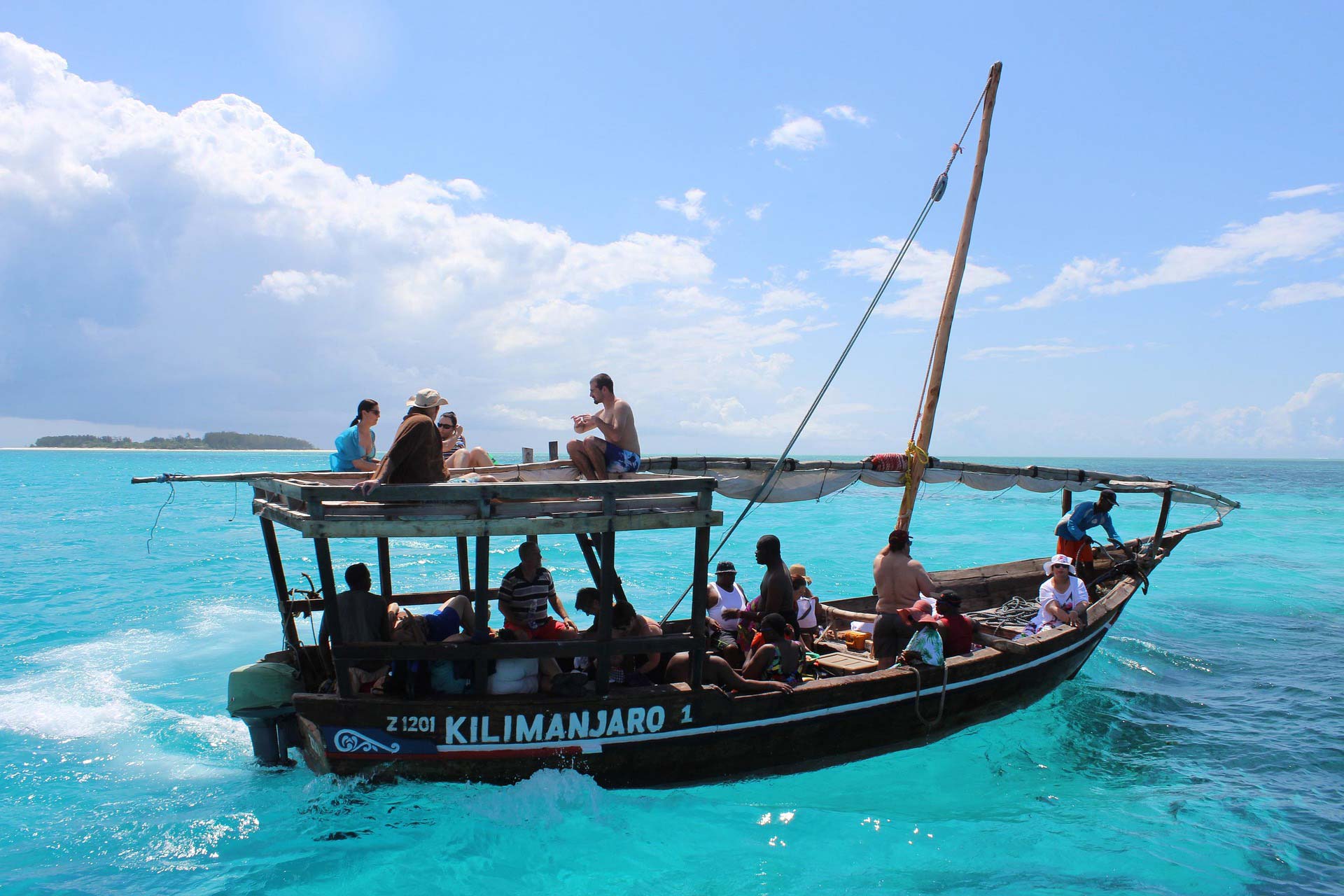
Zanzibar Overview
Zanzibar Island is one of Africa’s most enchanting tropical destinations, renowned for its pristine white sand beaches, turquoise waters, rich cultural heritage, historic Stone Town, vibrant coral reefs, and fragrant spice plantations. Located approximately 35 kilometers (22 miles) off the coast of mainland Tanzania in the warm waters of the Indian Ocean, Zanzibar has earned a worldwide reputation as a paradise for beach lovers, honeymooners, families, adventure seekers, and cultural travelers.
Often referred to as the “Spice Island,” Zanzibar has been an important center of trade for centuries, attracting merchants from Arabia, Persia, India, Europe, and Africa. This rich history has created a fascinating blend of cultures that is reflected in the island’s architecture, cuisine, traditions, music, and daily life. Visitors can wander through ancient streets lined with carved wooden doors, explore bustling markets filled with aromatic spices, relax on some of the world’s most beautiful beaches, or dive into crystal-clear waters teeming with colorful marine life.
The Zanzibar Archipelago consists of several islands, with Unguja commonly known as Zanzibar Island being the largest and most visited. Together with Pemba Island, numerous smaller islands, and surrounding coral reefs, the archipelago offers an extraordinary variety of natural beauty and experiences. Whether you dream of watching the sunrise over the Indian Ocean, snorkeling among vibrant coral gardens, discovering centuries-old history in Stone Town, swimming with dolphins, sailing on a traditional dhow at sunset, or simply relaxing beneath swaying coconut palms, Zanzibar Island offers a perfect combination of relaxation, culture, and adventure.
History of Zanzibar Island
Zanzibar’s history spans more than two thousand years and is among the richest in East Africa. Due to its strategic location along Indian Ocean trade routes, the island became an important meeting point for traders from Africa, Arabia, Persia, India, and later Europe.
From the first century AD, merchants visited Zanzibar to exchange ivory, spices, gold, timber, and other valuable goods. Persian settlers introduced new architectural styles and cultural traditions, while Arab traders established flourishing commercial centers that transformed the island into one of the most prosperous trading hubs in the Indian Ocean.
During the nineteenth century, the Sultan of Oman moved his capital to Zanzibar, making the island the political and economic heart of the Omani Empire’s East African territories. Under Omani rule, cloves became Zanzibar’s most valuable export, earning the island its famous nickname, “The Spice Island.” European influence increased during the colonial period, followed by British administration in the late nineteenth and early twentieth centuries. Zanzibar gained independence in 1963 and later united with Tanganyika in 1964 to form the United Republic of Tanzania.
Geography and Natural Beauty
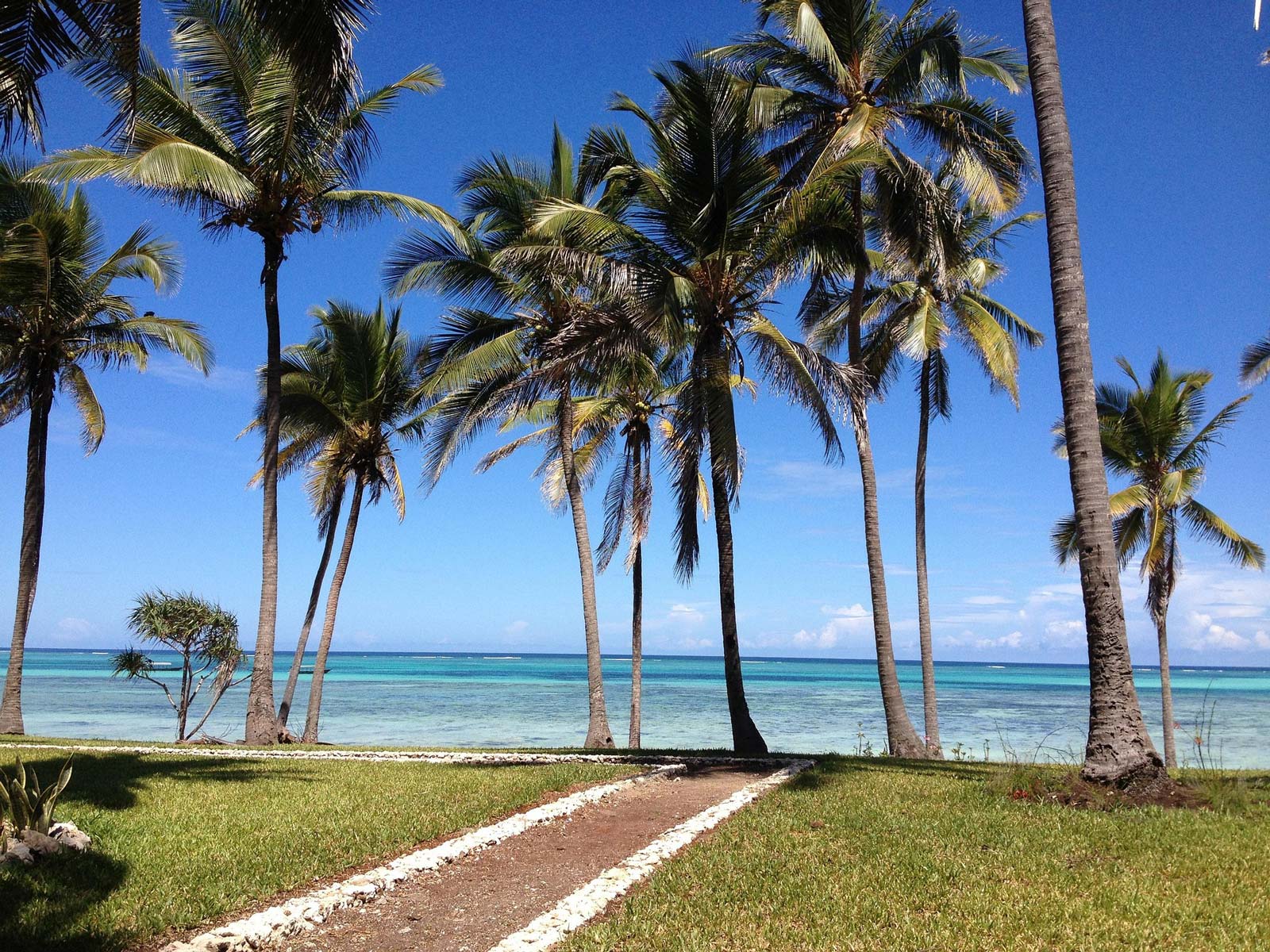
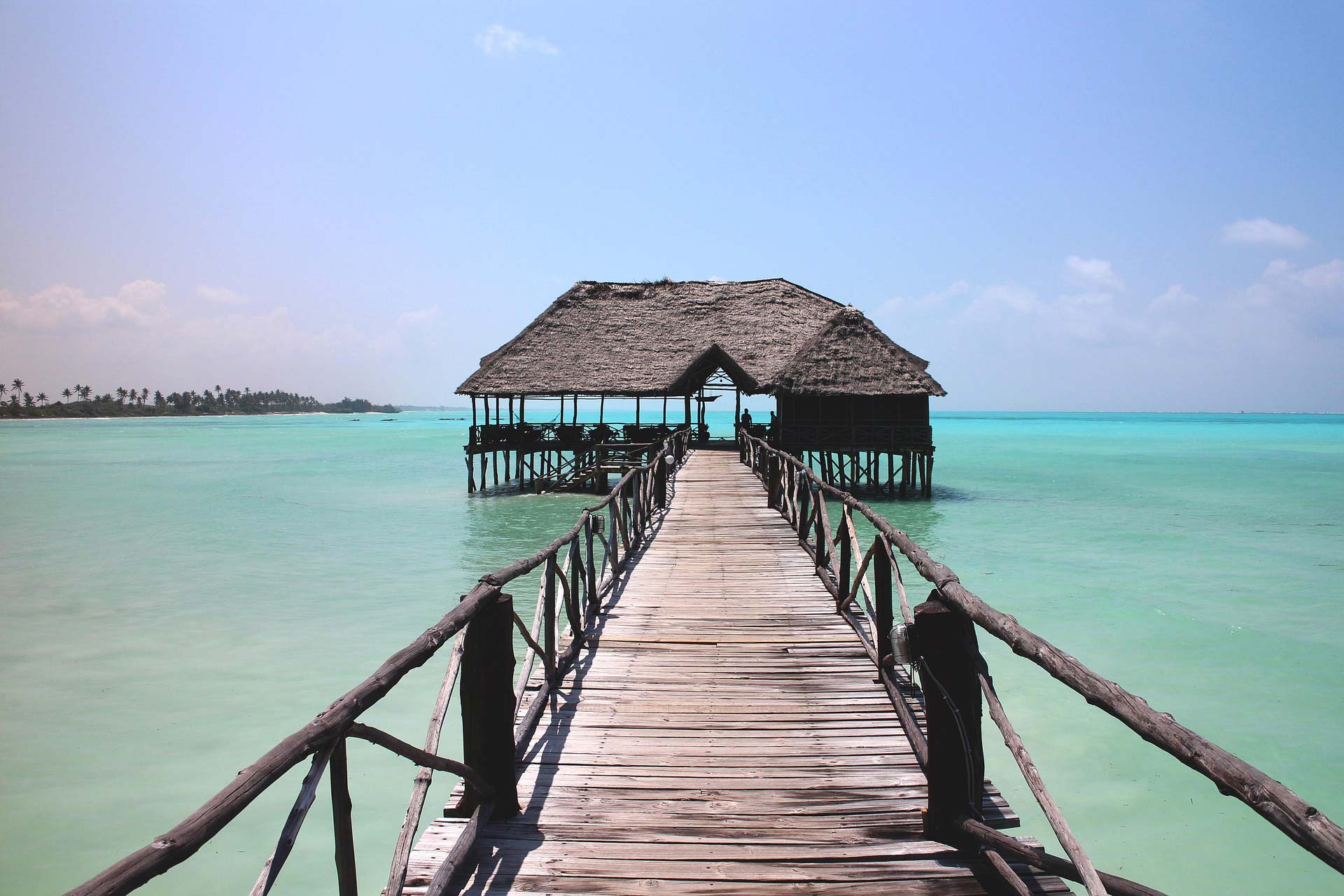
Zanzibar Island enjoys a tropical climate and an extraordinary variety of landscapes. The coastline features powder soft white beaches bordered by warm turquoise waters, while inland areas are covered with coconut plantations, tropical forests, spice farms, mangrove forests, and small farming villages.
The island’s eastern coast is famous for its long stretches of white sand and dramatic tidal changes. The northern coast offers calm waters ideal for swimming throughout the year, while the southern and western regions feature coral reefs, fishing villages, and marine conservation areas.
Natural attractions include:
- White-sand beaches
- Coral reefs
- Mangrove forests
- Tropical gardens
- Coconut plantations
- Spice farms
- Marine parks
- Small offshore islands
- Limestone caves
- Coastal lagoons
The warm Indian Ocean waters remain inviting throughout the year, making Zanzibar one of Africa’s premier beach destinations.
Stone Town – The Historic Heart of Zanzibar
At the heart of Zanzibar City lies Stone Town, a UNESCO World Heritage Site and one of East Africa’s most historically significant urban centers.
Walking through Stone Town feels like stepping back in time. Its narrow alleyways, beautifully carved wooden doors, coral stone buildings, bustling markets, and centuries old architecture reflect a fascinating blend of Arab, Persian, Indian, African, and European influences. Important landmarks include:
- House of Wonders
- Old Fort
- Palace Museum
- Anglican Cathedral
- Slave Market Memorial
- Darajani Market
- Forodhani Gardens
- Sultan’s Palace
- Hamamni Persian Baths
Stone Town is also famous for its lively atmosphere, traditional coffee houses, seafood restaurants, artisan shops, and colorful local markets.
The Beautiful Beaches of Zanzibar
Nungwi Beach
Located on the northern tip of the island, Nungwi Beach is famous for its soft white sand, crystal clear water, breathtaking sunsets, luxury resorts, diving centers, and vibrant nightlife. Because the tides have less impact here, swimming is possible throughout the day.
Kendwa Beach
Just south of Nungwi, Kendwa Beach offers calm waters, romantic sunsets, and one of Zanzibar’s best swimming beaches. It is particularly popular with honeymooners and visitors seeking relaxation.
Paje Beach
Paje is internationally recognized as one of Africa’s top kitesurfing destinations. Strong ocean breezes, shallow lagoons, and wide sandy beaches make it ideal for water sports.
Jambiani Beach
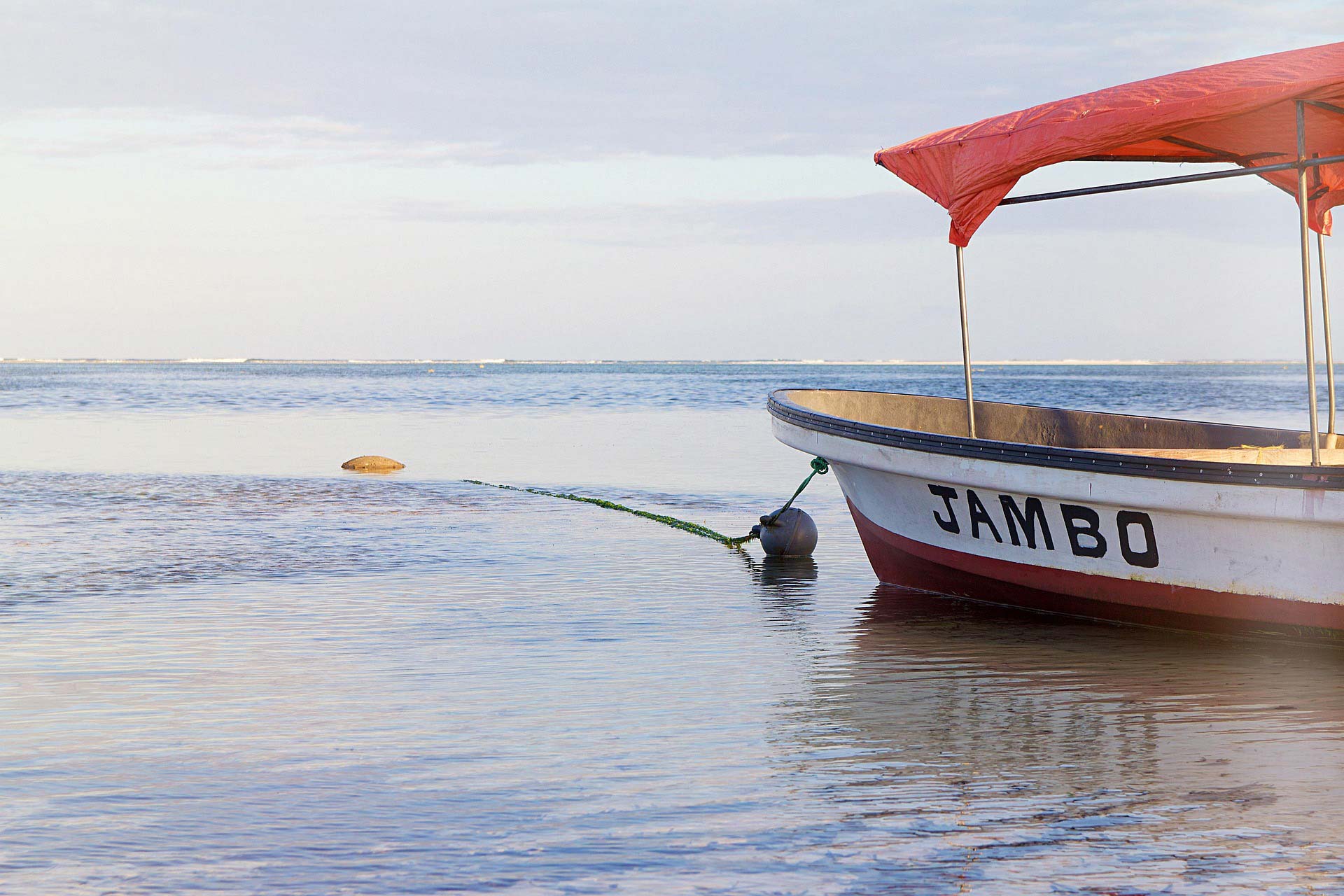
This peaceful fishing village offers an authentic Swahili atmosphere, beautiful beaches, seaweed farming, and opportunities to experience local culture.
Matemwe Beach
Matemwe is known for its luxury resorts, quiet surroundings, and easy access to Mnemba Atoll, one of Zanzibar’s finest snorkeling and diving destinations.
Kiwengwa Beach
Kiwengwa combines beautiful beaches with excellent accommodation, making it a popular choice for families and couples.
Top Activities in Zanzibar
Snorkeling
Explore colorful coral reefs filled with tropical fish, sea turtles, and vibrant marine life.
Scuba Diving
Zanzibar offers world-class diving for beginners and experienced divers, with dramatic coral walls, underwater caves, and healthy reef ecosystems.
Spice Farm Tours
Visit working spice farms to learn how cloves, cinnamon, vanilla, cardamom, black pepper, nutmeg, turmeric, and many tropical fruits are cultivated.
Sunset Dhow Cruises
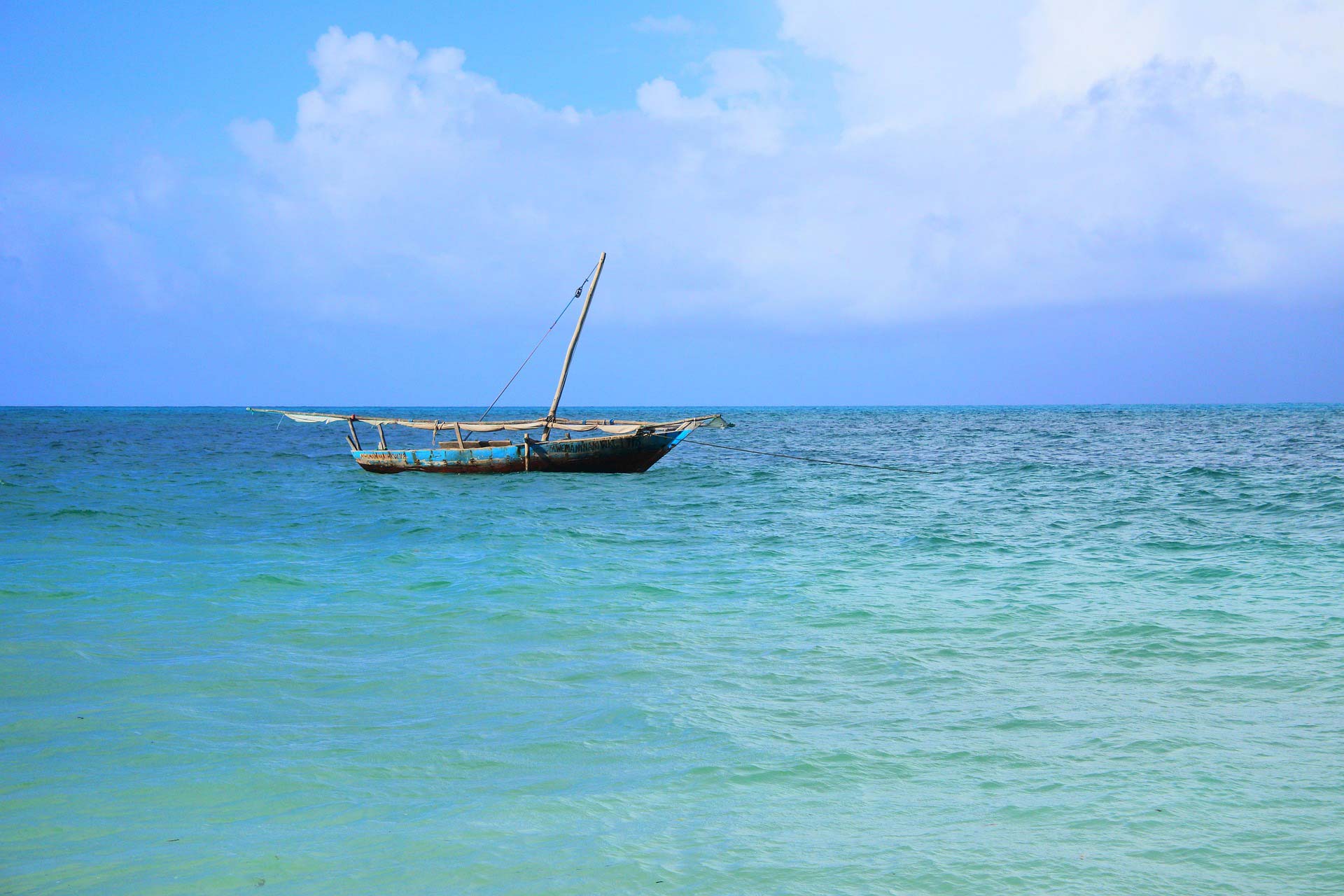
Traditional wooden dhow boats sail across the Indian Ocean during sunset, offering unforgettable views and romantic experiences.
Dolphin Tours
The southern coast near Kizimkazi is famous for dolphin excursions, where visitors may observe bottlenose and humpback dolphins in their natural habitat.
Prison Island Excursions
A short boat ride from Stone Town leads to Prison Island, home to giant Aldabra tortoises, historic buildings, and beautiful snorkeling areas.
Jozani Forest Tour
Jozani Forest is the only national park on Zanzibar and the last remaining habitat of the endangered Zanzibar Red Colobus Monkey, a species found nowhere else in the world.
Cultural Village Tours
Explore traditional Swahili villages, learn about local customs, visit artisans, and experience authentic island hospitality.
Best Time to Visit Zanzibar Island
June – October
The dry season offers sunny weather, low humidity, calm seas, and excellent beach conditions.
Ideal for:
- Beach holidays
- Diving
- Snorkeling
- Sightseeing
- Honeymoons
December – February
Another excellent period with warm temperatures and clear skies.
Perfect for:
- Water sports
- Family holidays
- Island hopping
- Photography
March – May
The long rainy season brings lush landscapes and fewer tourists. Accommodation prices may be lower, although some activities can be affected by rainfall.
November
Short rains usually consist of brief afternoon showers followed by sunshine.
Accommodation in Zanzibar
Luxury Resorts
World class beachfront resorts offer an exceptional level of comfort for travelers seeking a relaxing coastal escape. Many feature private villas or spacious suites, infinity pools overlooking the ocean, wellness spas, fine dining restaurants, and personalized services. Their peaceful settings and attentive hospitality make them particularly suitable for honeymooners, families, and travelers looking for a premium beach holiday.
Boutique Hotels
Boutique hotels provide a more intimate accommodation experience while combining contemporary comfort with the cultural character of the Tanzanian coast. Many properties incorporate traditional Swahili architecture, locally inspired décor, handcrafted furnishings, and personalized hospitality.
Beach Lodges
Beach lodges offer comfortable accommodation in locations close to, or directly beside, the shoreline. Guests can enjoy easy access to sandy beaches, swimming areas, and beautiful coastal scenery without traveling far from their rooms.
Eco Lodges
Eco lodges provide an accommodation option for travelers who want to enjoy Tanzania’s coastal landscapes while supporting responsible tourism. These properties may use renewable energy, reduce water consumption, limit plastic waste, and incorporate locally sourced materials into their construction and daily operations.
Budget Hotels
Budget hotels, guesthouses, and smaller locally operated properties provide practical accommodation for independent travelers who want to control their holiday expenses. While facilities may be simpler than those found at luxury resorts, many offer clean rooms, convenient locations, meals, and friendly local hospitality. They are especially useful for travelers who plan to spend most of their time exploring beaches
Additional Accommodation Facilities
Many coastal accommodations provide more than a place to sleep, allowing guests to enjoy a wider range of activities and services during their stay. Depending on the property, facilities may include direct beach access, swimming pools, water sports, boat excursions, snorkeling trips, diving experiences, guided cultural tours, restaurants, and spa treatments.
Climate of Zanzibar Island
Zanzibar has a warm tropical maritime climate influenced strongly by the Indian Ocean, creating generally warm and humid conditions throughout the year. The ocean helps moderate temperatures, while seasonal rainfall patterns bring changes in humidity and weather conditions across different periods of the year.
Average daytime temperatures usually range between 28°C and 32°C (82°F–90°F), providing consistently warm conditions for beach holidays, sightseeing, and outdoor activities. Evenings are generally comfortable, with temperatures commonly falling to around 22°C–26°C (72°F–79°F), although coastal humidity can make some nights feel warmer.
Sea temperatures remain pleasantly warm throughout the year, typically ranging from 25°C to 29°C, so swimming and other ocean activities are possible in every season. The warm waters also make Zanzibar attractive for snorkeling, diving, boat trips, and other marine experiences, allowing visitors to enjoy the coastline regardless of the month they travel.
Why Visit Zanzibar Island?
Zanzibar is much more than a tropical beach destination. It is an island where history, culture, adventure, and natural beauty come together in perfect harmony. Visitors can spend the morning exploring the ancient streets of Stone Town, the afternoon snorkeling among colorful coral reefs, and the evening watching a spectacular sunset from a traditional dhow sailing across the Indian Ocean.
From its powder-white beaches and crystal-clear waters to its fragrant spice farms, historic landmarks, vibrant marine life, and warm Swahili hospitality, Zanzibar offers experiences that appeal to every type of traveler. Whether you are planning a romantic honeymoon, a family holiday, a cultural journey, or a relaxing escape after a safari in northern Tanzania, Zanzibar provides the perfect balance of adventure and tranquility.
With year-round sunshine, world-class accommodations, exceptional cuisine, and unforgettable coastal scenery, Zanzibar Island remains one of Africa’s most treasured destinations and an ideal finale to any Tanzanian travel experience.
Our Gallery
Frequently Asked Questions (FAQs)
Is Zanzibar worth visiting?
Yes. Zanzibar is one of Africa’s premier island destinations, offering stunning beaches, rich cultural heritage, world-class diving, historic Stone Town, and unforgettable tropical experiences.
How many days should I spend in Zanzibar?
Most visitors spend 4–7 days exploring the island, while those combining a beach holiday with a Tanzania safari often stay 3–5 days to relax and enjoy the coast.
What is Zanzibar famous for?
Zanzibar is famous for its white sand beaches, turquoise waters, Stone Town, spice farms, coral reefs, luxury resorts, traditional dhow cruises, and its unique blend of African, Arab, Indian, and European cultures.
Is Zanzibar suitable for families and honeymooners?
Absolutely. Zanzibar is an excellent destination for families, couples, honeymooners, solo travelers, and adventure enthusiasts, with activities and accommodations to suit every type of visitor.
Can I combine Zanzibar with a Tanzania safari?
Yes. Zanzibar is commonly paired with safaris to Serengeti National Park, Ngorongoro Crater, Tarangire National Park, Lake Manyara National Park, Ruaha National Park, and Nyerere National Park, offering travelers the perfect combination of wildlife adventure and tropical beach relaxation.
Book Your Safari
Book your Safari today and create unforgettable memories.