Serengeti National Park
Start your Serengeti adventure today and discover why millions of travelers from around the world choose this extraordinary national park for the safari experience of a lifetime.
Serengeti Overview
Serengeti National Park is Tanzania’s oldest and most famous national park, celebrated for its endless golden plains, abundant wildlife, dramatic landscapes, and the world-renowned Great Wildebeest Migration. Located in northern Tanzania, the park covers approximately 14,763 square kilometers (5,700 square miles) and forms part of the larger Serengeti-Mara ecosystem, which extends into Kenya’s Maasai Mara National Reserve. This connected ecosystem supports one of the greatest concentrations of large mammals on the planet.
Established in 1951, Serengeti was Tanzania’s first national park. It was later recognized as a UNESCO World Heritage Site in 1981 because of its exceptional natural beauty, ecological importance, and extraordinary wildlife populations. The park attracts travelers from around the world, including safari enthusiasts, photographers, researchers, filmmakers, conservationists, and families seeking an authentic African wilderness experience.
The name “Serengeti” comes from the Maasai word Siringet, meaning “the endless plains.” The name reflects the park’s vast open grasslands, where the horizon appears to stretch forever. Although the plains are the park’s most recognizable feature, Serengeti also contains rivers, woodlands, rocky kopjes, hills, wetlands, and forested areas, creating habitats for a remarkable variety of animals and birds.
Geography and Landscape
The Serengeti ecosystem covers nearly 30,000 square kilometers, including the national park, surrounding game reserves, conservation areas, and community-managed lands. Its location between Lake Victoria, the Ngorongoro highlands, and Kenya’s Maasai Mara gives it a varied climate and a wide range of habitats.
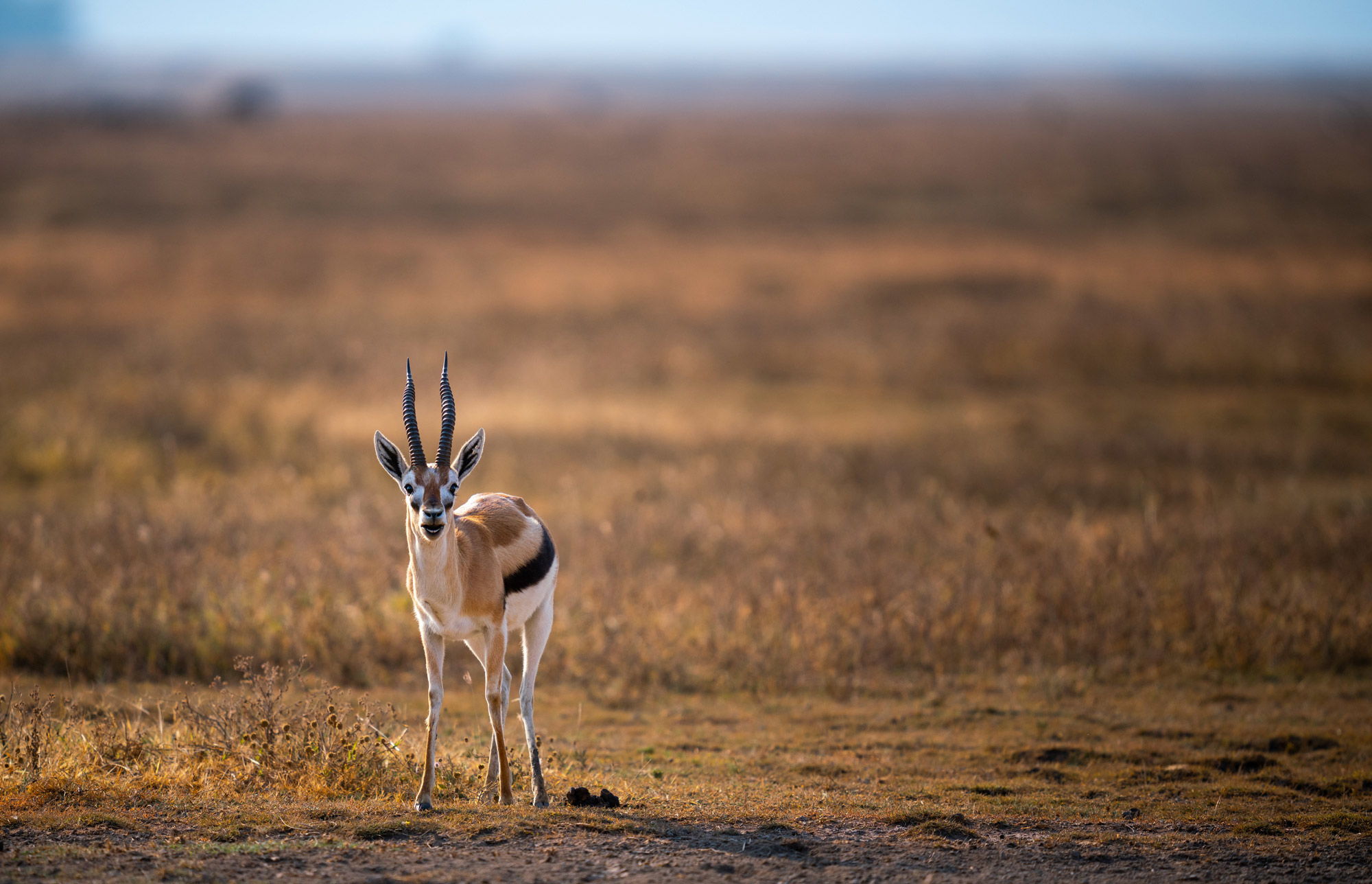
The park’s most famous landscape is the southern grassland, where short grasses grow on nutrient-rich volcanic soils. These plains are especially important during the calving season because they provide nutritious grazing for wildebeest, zebras, and gazelles. The open terrain also makes it easier for visitors to observe predators such as lions, cheetahs, and hyenas.
Other important landscapes include:
- Savannah grasslands: Open areas dominated by grasses, where large herds gather and predators hunt.
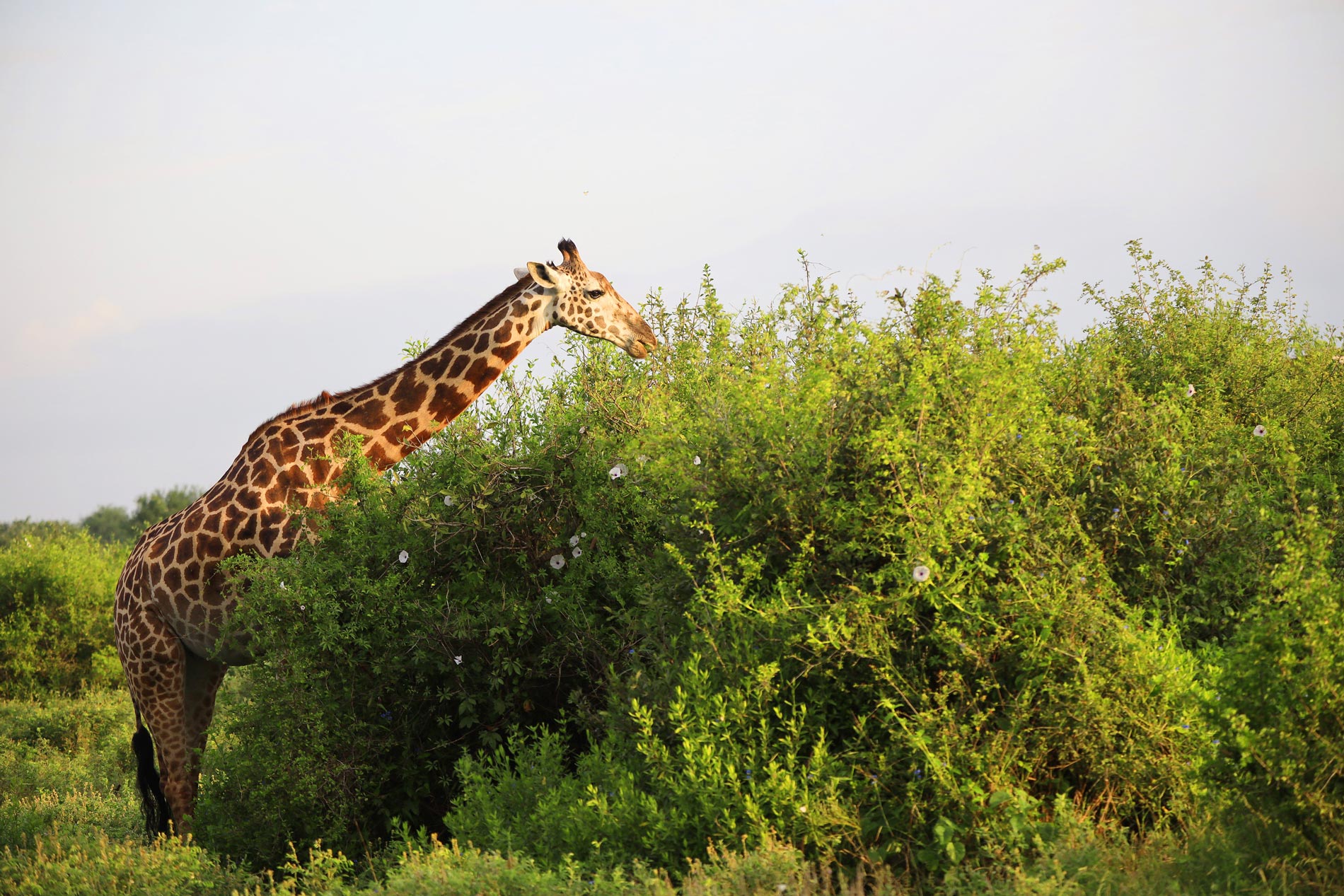
- Woodlands: Areas of acacia and other trees that provide shade, food, and shelter for elephants, giraffes, leopards, and many birds.
- River valleys: Important sources of water for wildlife, especially during the dry season.
Wildlife in Serengeti National Park
Serengeti is home to one of the richest concentrations of wildlife in Africa. The park supports millions of herbivores and thousands of predators, creating a complex food chain that changes with the seasons. Wildlife is attracted by the availability of grass, water, shelter, and breeding grounds.
Visitors may see animals in many different settings, including open plains, riverbanks, woodland clearings, rocky kopjes, and shaded forest areas. Because wildlife is free to move across the ecosystem, sightings can never be guaranteed, but the park’s large animal populations make it one of the best places in Africa for game viewing.
The Big Five
Serengeti offers excellent opportunities to see Africa’s legendary Big Five:
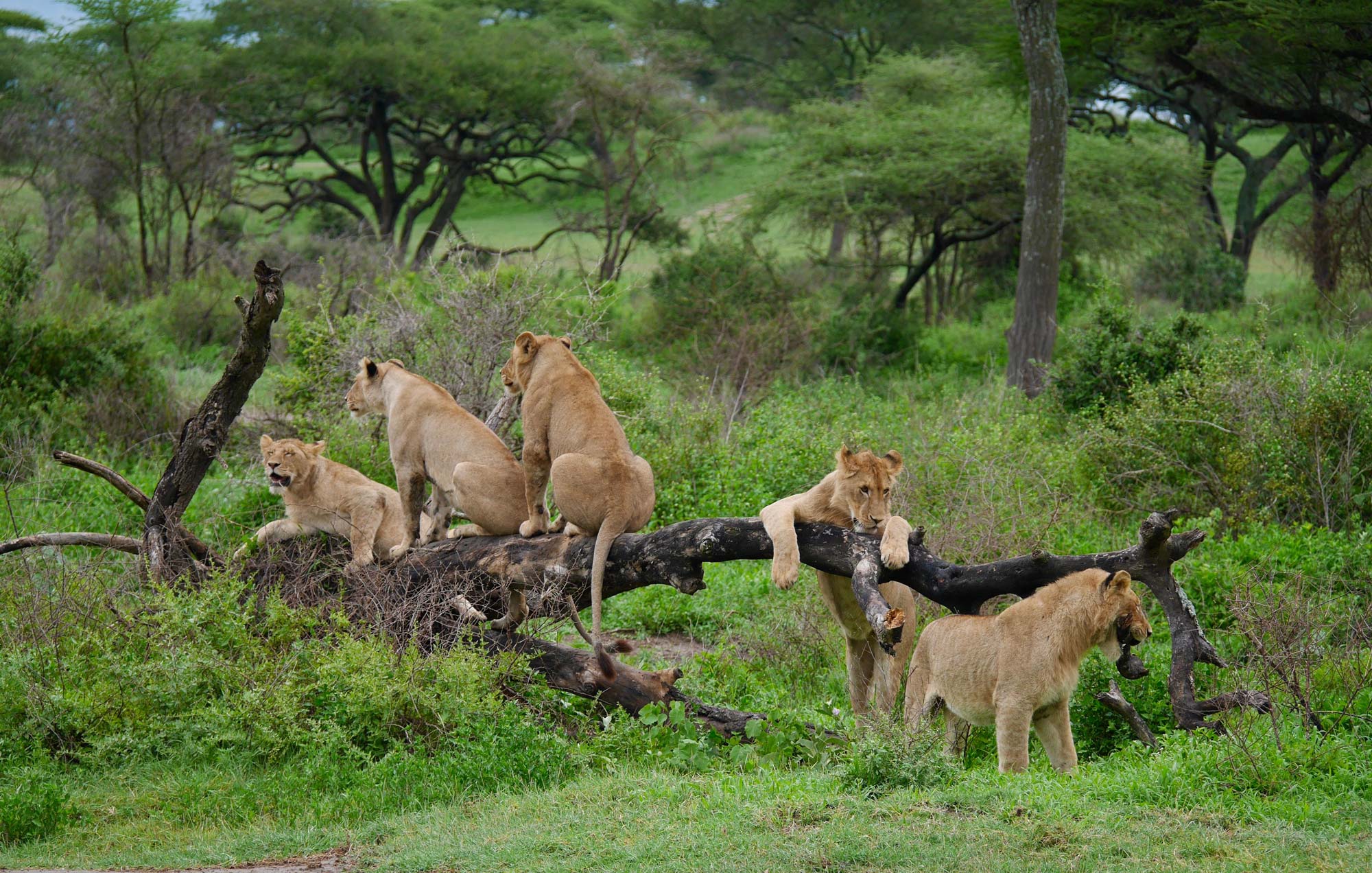
- African Lion: Lions are among Serengeti’s most visible predators. They often rest beneath trees, on rocky kopjes, or in tall grass. Large prides may include females, cubs, and several males.
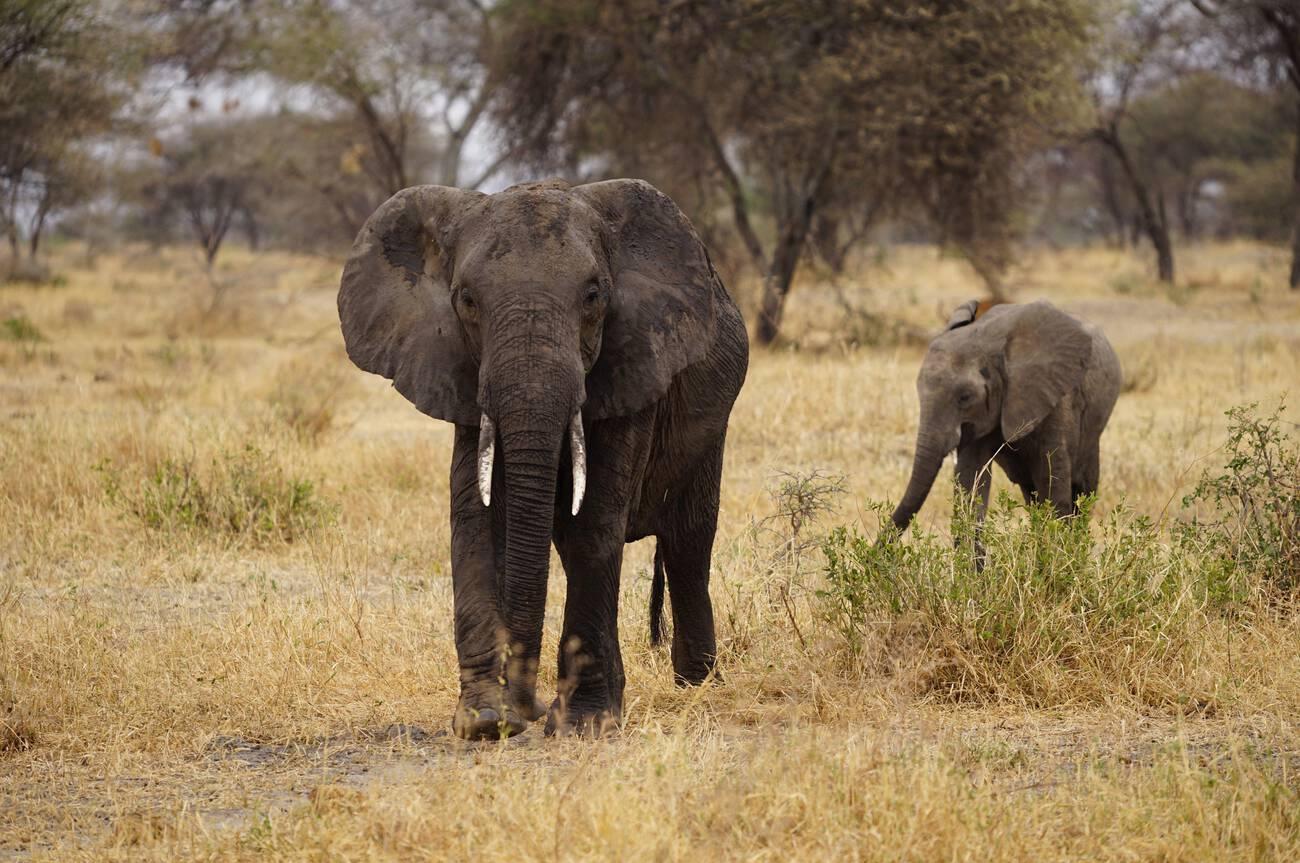
- African Elephant: Elephants are commonly seen in woodlands and near rivers. They travel in family groups and play an important role in shaping the landscape by pushing over trees and opening pathways.
- African Leopard: Leopards are powerful but secretive cats. They are often found resting in trees, especially near riverine forests, and are most active during early morning and late afternoon.
- African Buffalo: Buffalo usually live in large herds and are particularly common near water and grasslands. Despite their calm appearance, they are powerful and unpredictable animals.
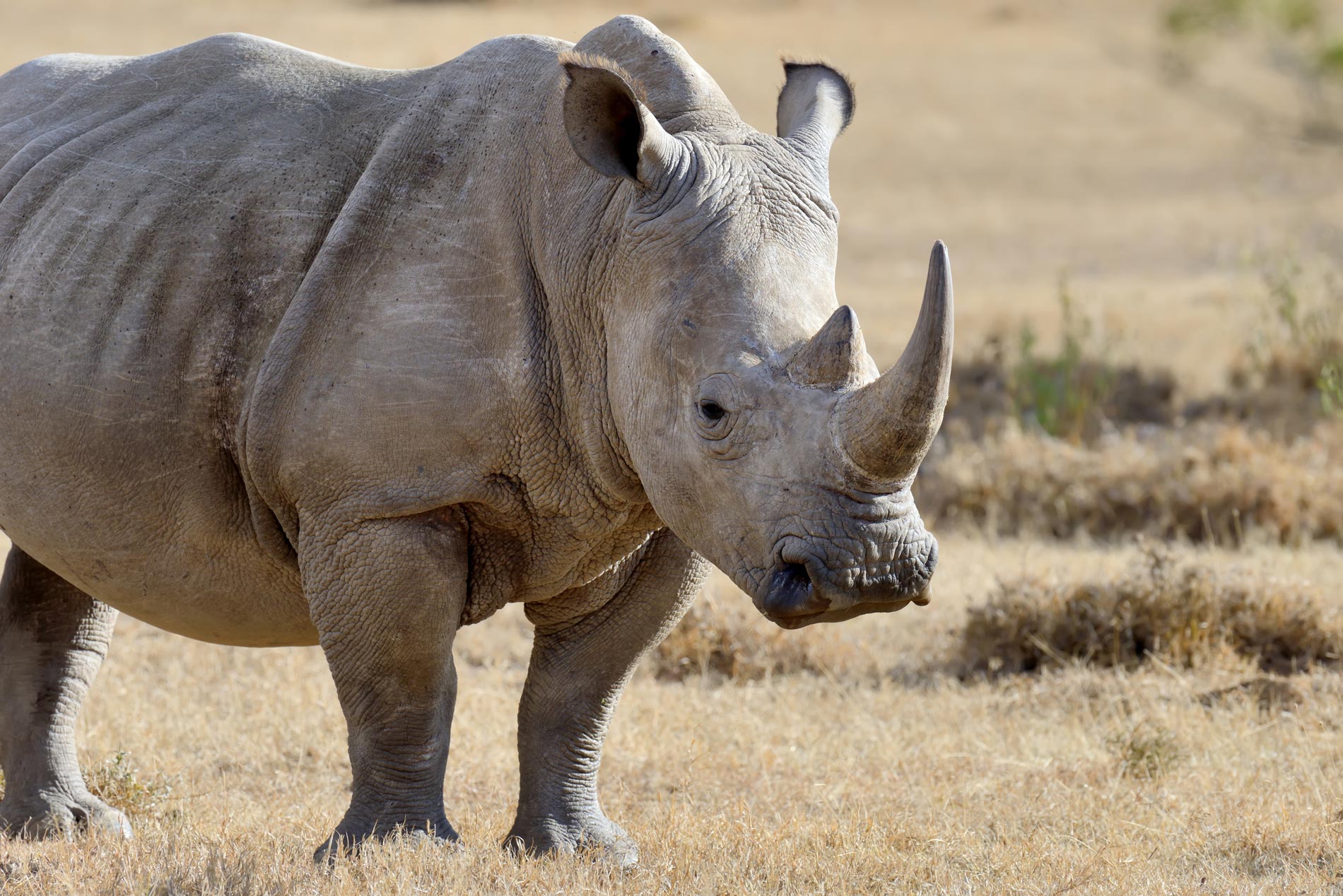
- Black Rhinoceros: Black rhinos are rare and carefully protected. They are most often associated with remote areas and rocky landscapes, and sightings are considered a special privilege.
The Great Wildebeest Migration in Serengeti National Park
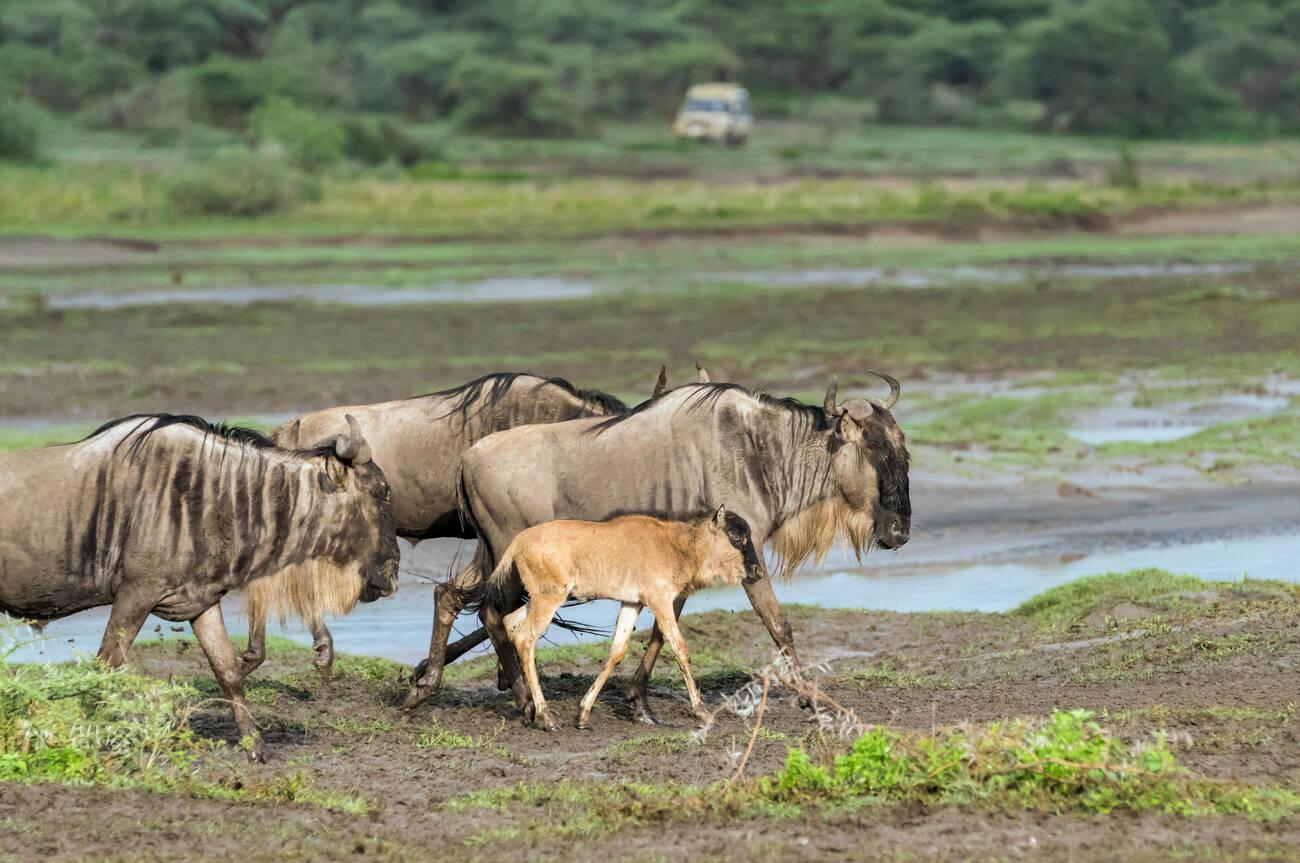
The Great Wildebeest Migration is one of the most extraordinary natural events in the world. It is a continuous movement of animals through the Serengeti-Mara ecosystem in search of fresh grass and water. The migration is not a single event that happens on one specific date; instead, it is a year-round cycle influenced by rainfall, grass growth, and water availability.
Each year, approximately:
- 1.5 million wildebeest
- 300,000 zebras
- 500,000 gazelles
move across the ecosystem. The herds face many dangers, including predators, exhaustion, disease, drought, and dangerous river crossings.
January – March: Calving Season
During the first months of the year, the herds gather in the southern Serengeti and the Ndutu area. The short grass plains provide nutritious food for pregnant females and newborn calves. Thousands of wildebeest calves may be born within a short period, creating one of the most exciting wildlife spectacles in Africa.
April – May: Movement Toward the Central and Western Serengeti
As the southern grasslands become drier, the herds begin moving north and west. The long rains transform the plains into green landscapes, and the animals travel in large groups across the open country.
June – July: Western Corridor and Grumeti River
By June and July, many herds reach the Western Corridor. Here, they encounter the Grumeti River, where deep water, strong currents, and large Nile crocodiles create a dangerous obstacle.
August – October: Northern Serengeti and Mara River
During the later dry season, many herds move into the Northern Serengeti and toward Kenya’s Maasai Mara. The Mara River crossings are among the most famous moments of the migration.
November – December: Return to the Southern Plains
When the short rains begin, the herds gradually move south again. Fresh grass appears in the southern Serengeti, encouraging the animals to return to the calving grounds.
Regions of Serengeti National Park
Central Serengeti and Seronera
The Central Serengeti, especially the Seronera Valley, is often considered the heart of the park. It contains permanent water sources, open grasslands, rocky outcrops, and woodland areas that support wildlife throughout the year.
This region is particularly famous for resident lion prides, leopards, cheetahs, elephants, giraffes, hippos, and large herds of antelope. Because animals remain in the area even when the migration moves elsewhere, Central Serengeti is an excellent choice for first-time visitors and travelers visiting outside the migration season.
Northern Serengeti
Northern Serengeti is known for its remote atmosphere, rolling hills, wooded valleys, and access to the Mara River. It is one of the best areas for travelers hoping to see the northern part of the Great Migration.
The region generally receives fewer visitors than Central Serengeti, allowing for a quieter and more exclusive safari experience. In addition to migrating herds, visitors may see elephants, giraffes, lions, leopards, cheetahs, buffalo, and many antelope species.
Western Corridor
The Western Corridor stretches toward Lake Victoria and is characterized by woodland, open grassland, and the Grumeti River. The river provides permanent water and supports hippos, crocodiles, fish, and many water-dependent birds.
During the migration season, the Grumeti River becomes an important crossing point. Even outside migration periods, the area offers excellent wildlife viewing, particularly for elephants, buffalo, giraffes, lions, leopards, and primates.
Southern Serengeti
Southern Serengeti is famous for its short-grass plains and calving season. The volcanic soils create highly nutritious grass, making the region ideal for pregnant wildebeest and newborn calves.
The open landscape also provides excellent opportunities to see cheetahs, lions, hyenas, jackals, and other predators. During the calving months, visitors may observe thousands of young animals learning to walk, running with their mothers, and responding to predator threats.
Activities in Serengeti National Park
Game Drives
Game drives are the most popular way to explore the park. Visitors travel in specially designed safari vehicles with open or pop up roofs, accompanied by trained guides who understand animal behavior and local geography. Morning drives are ideal for seeing predators when they are active, while afternoon drives often provide beautiful light for photography.
Hot Air Balloon Safaris
A balloon safari offers a unique view of the Serengeti from above. At sunrise, guests float quietly over the plains and may see herds, rivers, kopjes, and wildlife moving below. After landing, many operators provide a traditional bush breakfast in the wilderness. Balloon safaris are usually available in selected areas and must be booked in advance because spaces are limited.
Walking Safaris
Walking safaris provide a closer understanding of the smaller details of the ecosystem. Accompanied by an armed ranger and experienced guide, visitors learn about animal tracks, plants, insects, birds, soil, and traditional uses of natural resources. Walking is usually conducted in designated areas and follows strict safety rules. It is an excellent activity for travelers who want to experience the sounds, scents, and textures of the African bush beyond vehicle-based game viewing.
Bird Watching
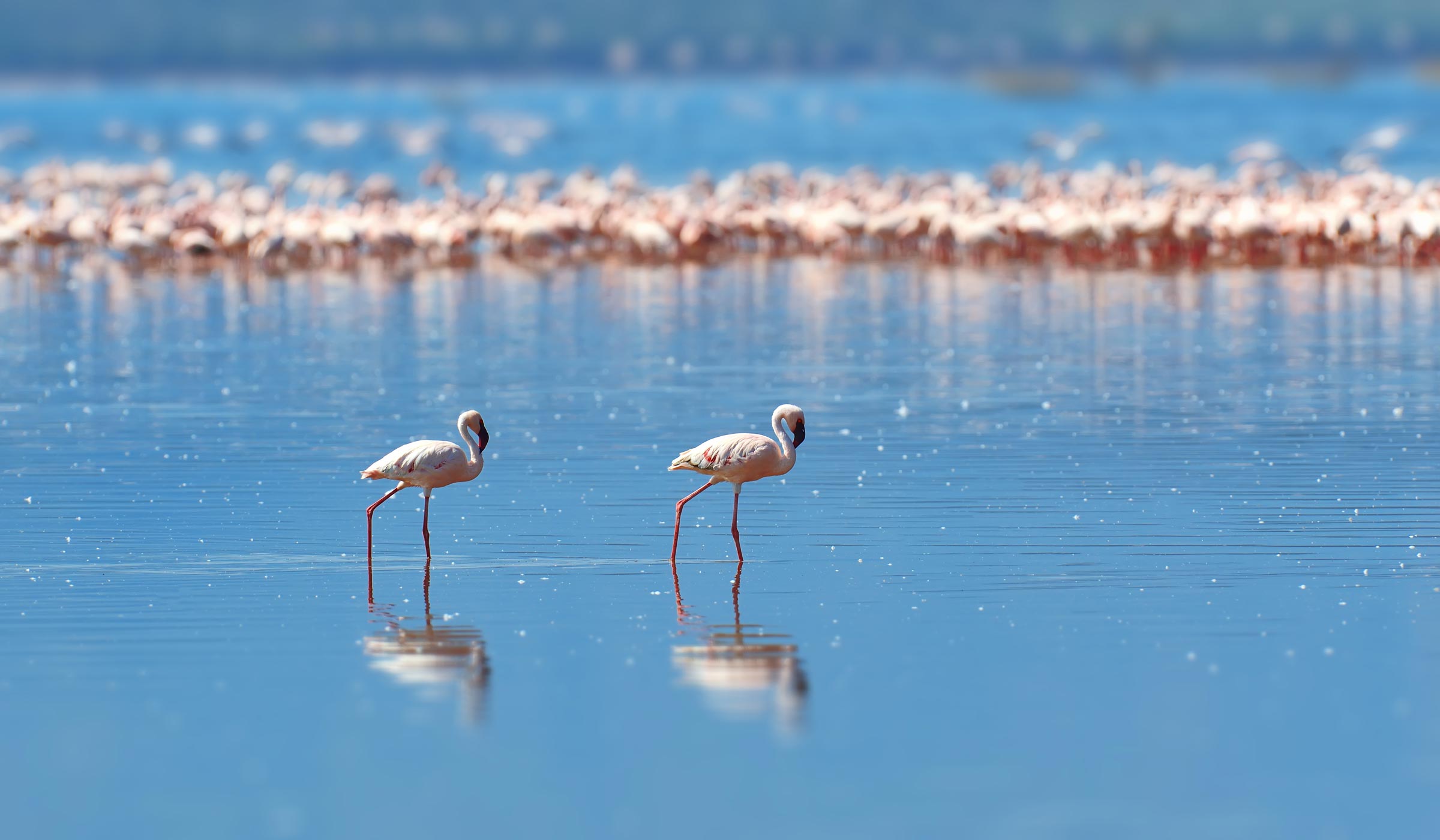
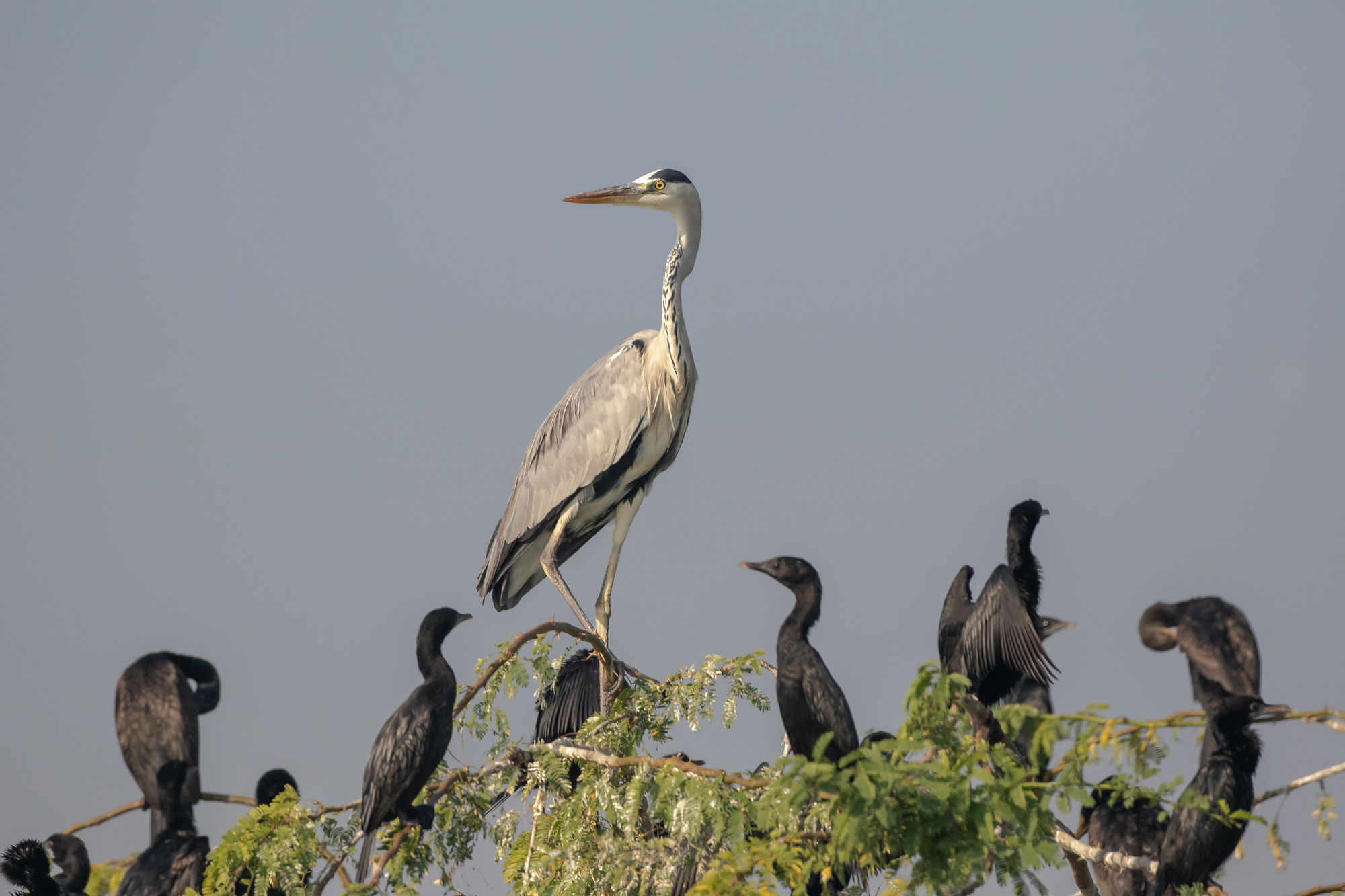
With more than 500 recorded species, Serengeti is a rewarding destination for bird lovers. Guides can help identify birds by their calls, colors, flight patterns, and habitats. Bird watching is especially enjoyable during the green season, when migratory species arrive and many resident birds are breeding.
Accommodation in Serengeti National Park
Luxury Lodges
Luxury lodges often provide spacious rooms or private villas, comfortable beds, private bathrooms, viewing decks, swimming pools, and high-quality meals. Some offer private vehicles, spa treatments, laundry services, and exclusive activities. Many luxury properties are located near important wildlife areas and may move seasonally to follow the Great Migration.
Mid Range Lodges and Tented Camps
Mid range accommodations provide a balance between comfort and cost. Guests may stay in permanent lodges, canvas tents with private bathrooms, or comfortable mobile camps. These properties usually include meals, guided game drives, housekeeping, and common areas where guests can relax between activities.
Budget Camps and Public Campsites
Budget travelers can choose public campsites, shared facilities, or basic tented accommodation. These options are more affordable but may require guests to bring or arrange camping equipment. Camping provides a close connection with nature, but visitors should be prepared for basic facilities, changing weather, dust, insects, and the need to follow strict wildlife safety rules.
Why Visit Serengeti National Park?
Serengeti is widely regarded as one of the finest safari destinations in the world because it combines extraordinary wildlife, dramatic scenery, cultural richness, and year-round adventure. The park offers opportunities to see lions resting on rocky kopjes, cheetahs hunting across open plains, elephants moving through woodland, giraffes feeding beneath acacia trees, and enormous herds traveling across the horizon.
The Great Wildebeest Migration is one of the park’s greatest attractions, but Serengeti is much more than a migration destination. Resident wildlife remains in many areas throughout the year, making every season rewarding. Visitors can enjoy peaceful landscapes during the green season, excellent predator viewing during calving months, and concentrated wildlife sightings during the dry season.
From a sunrise balloon flight above the plains to a quiet evening watching the sun set over the savannah, Serengeti offers experiences that connect travelers with nature in a powerful and unforgettable way. Every safari is different because wildlife movements, weather, light, and animal behavior are constantly changing.
Our Gallery
Frequently Asked Questions (FAQs)
Is Serengeti National Park worth visiting?
Yes. Serengeti is one of the world’s premier safari destinations, offering exceptional wildlife viewing, beautiful landscapes, diverse habitats, and the famous Great Wildebeest Migration. Even travelers who do not visit during the migration season can enjoy excellent sightings of lions, elephants, leopards, cheetahs, giraffes, zebras, hippos, and many other species.
How many days should I spend in Serengeti?
A stay of 3–5 days is suitable for a general safari and allows visitors to explore more than one area. Travelers interested in the migration, photography, bird watching, or remote regions may prefer 6–8 days. Longer stays increase the chance of seeing different habitats and animal behaviors. They also allow flexibility when weather or wildlife movements change daily.
Can I see the Big Five in Serengeti?
Yes. Serengeti is home to all members of the Big Five: lion, leopard, elephant, buffalo, and black rhinoceros. Lions and elephants are commonly seen, while leopards and rhinos are more difficult to find because they are secretive or occur in smaller numbers. Sightings depend on location, season, guide experience, and time spent in the park. No responsible safari operator can guarantee that every visitor will see all five animals.
What is the Great Wildebeest Migration?
The Great Wildebeest Migration is the annual movement of approximately 1.5 million wildebeest, together with hundreds of thousands of zebras and gazelles, through the Serengeti Mara ecosystem. The animals move in search of fresh grass and water. The migration includes calving, long distance travel, predator encounters, and dangerous river crossings. Its timing changes each year according to rainfall and grass conditions.
When is the best time to see the migration?
The best time depends on which part of the migration you want to see. January to March is ideal for calving in the southern Serengeti. June and July may offer opportunities to see crossings at the Grumeti River, while August to October is associated with the Northern Serengeti and Mara River. Because the migration follows rainfall rather than a fixed calendar, travelers should plan several days in the relevant region and remain flexible.
Book Your Safari
Book your Safari today and create unforgettable memories.