Bird Watching Safari in Tanzania
Discover Africa’s Ultimate Birding Paradise
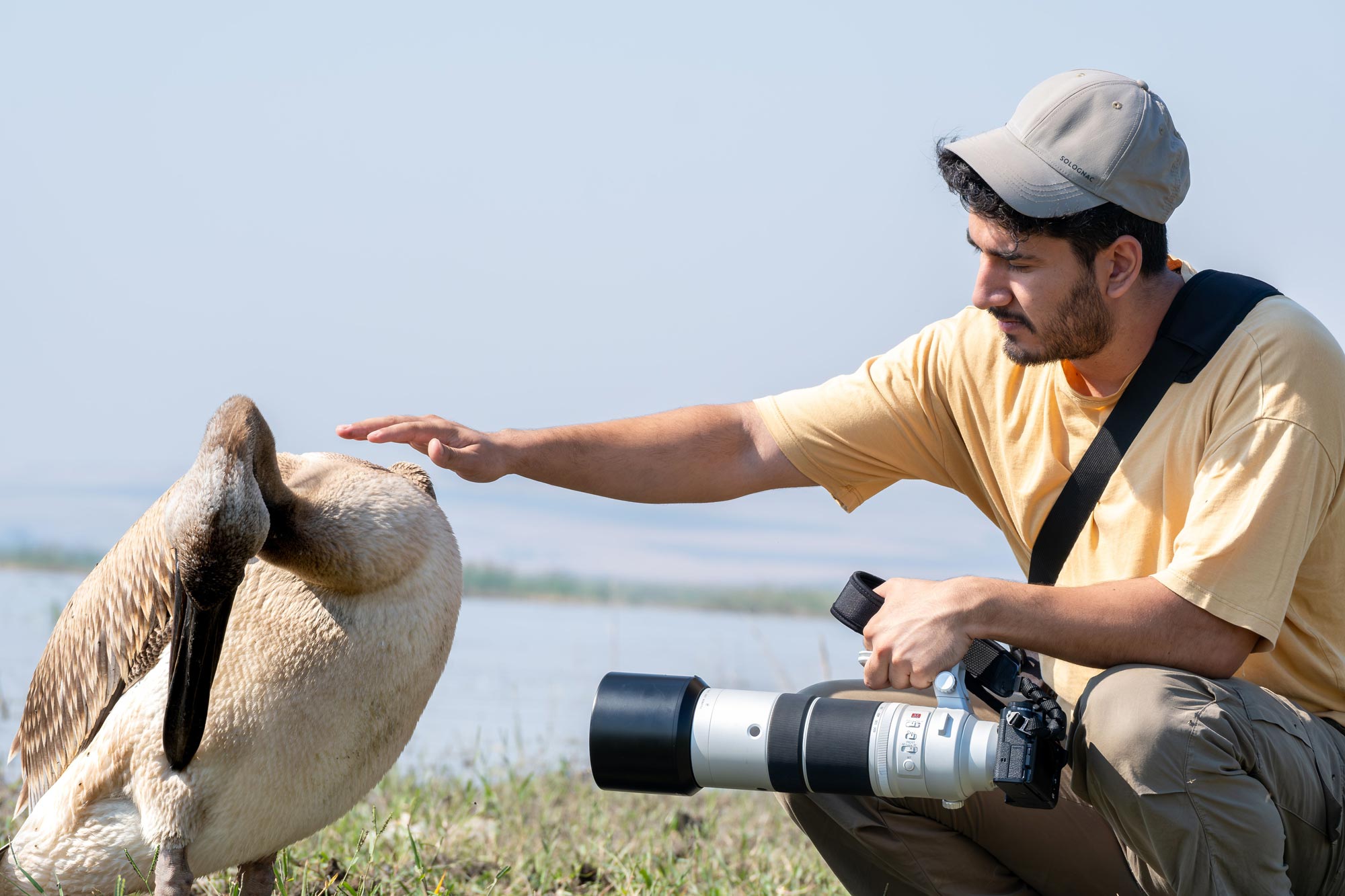
Bird Watching Overview
A Bird Watching Safari in Tanzania is one of the most rewarding wildlife experiences in Africa, offering nature lovers, photographers, and bird enthusiasts the opportunity to discover an extraordinary variety of bird species across some of the continent’s most spectacular landscapes. While Tanzania is globally famous for the Great Wildebeest Migration, the Big Five, and its breathtaking national parks, it is equally celebrated as one of Africa’s premier birding destinations, with more than 1,100 recorded bird species found across its diverse ecosystems.
From the endless plains of the Serengeti and the ancient baobab forests of Tarangire to the alkaline lakes of the Great Rift Valley, the tropical forests of the Eastern Arc Mountains, the wetlands of western Tanzania, and the pristine beaches of Zanzibar, Tanzania provides an incredible variety of habitats that support resident, endemic, and migratory birds throughout the year.
Whether you are an experienced birder searching for rare endemic species or a first-time safari traveler who simply enjoys watching colorful birds in their natural environment, Tanzania offers unforgettable birding opportunities in every season. Many visitors are surprised to discover that a single safari can combine thrilling wildlife encounters with hundreds of remarkable bird sightings, creating a richer and more diverse safari experience.
Why Choose Tanzania for Bird Watching?
Tanzania ranks among Africa’s leading birding destinations because of its exceptional diversity of habitats and species. The country’s landscapes range from open savannahs and freshwater lakes to mountain forests, coastal mangroves, swamps, woodlands, and coral islands, each supporting its own unique birdlife.
Reasons why birdwatchers love Tanzania include:
- Over 1,100 recorded bird species
- Exceptional variety of habitats
- Excellent year round birding opportunities
- Numerous endemic and near endemic birds
- Seasonal migratory birds from Europe and Asia
- Professional birding guides
- Opportunities to combine birdwatching with Big Five safaris
- Outstanding bird photography locations
- Well developed safari infrastructure
- Spectacular natural scenery
Whether you spend a few days exploring the Northern Safari Circuit or embark on a dedicated birding expedition across Tanzania, every destination offers exciting opportunities to discover remarkable birdlife.
Bird Habitats in Tanzania
Open Savannahs, Acacia Woodlands, Grasslands, and Floodplains
One of the greatest strengths of Tanzania as a birding destination is the remarkable variety of natural habitats found across the country. Open savannahs provide ideal conditions for spotting birds across wide landscapes, while acacia woodlands offer shelter and feeding grounds for numerous species. Grasslands and floodplains also support diverse bird populations, particularly where seasonal water and abundant vegetation create productive feeding areas.
Lakes, Rivers, and Wetlands
Tanzania’s lakes, rivers, and wetlands provide another important environment for birdlife. Alkaline lakes and freshwater lakes attract different groups of waterbirds, while rivers and wetlands provide feeding, breeding, and resting areas throughout the year. Swamps and floodplains can become especially productive habitats, supporting birds that depend on shallow water, aquatic vegetation, fish, insects, and other small organisms.
Montane Forests, Rainforests, and Highland Moorlands
Higher elevations introduce a completely different range of bird habitats. Montane forests and tropical rainforests provide dense vegetation where forest-dependent species can find food and shelter, while highland moorlands offer cooler environments with specialized plant communities. These habitats are particularly valuable for birders interested in species that are less likely to be encountered in Tanzania’s open savannah landscapes.
Coastal Mangroves, Beaches, and Coral Islands
Along the coast, mangrove forests, beaches, and coral islands create distinctive habitats that further increase Tanzania’s birding diversity. Mangroves provide important shelter and feeding areas, while coastal beaches can attract shorebirds and other species associated with marine environments. Coral islands add another dimension to coastal birdwatching, making it possible to encounter a broad range of birds while exploring Tanzania’s varied landscapes from inland highlands to the Indian Ocean.
Best Places for Bird Watching in Tanzania
Serengeti National Park
Although famous for the Great Migration, Serengeti is also one of Tanzania’s finest birding destinations, with more than 500 bird species recorded. The vast plains, rocky outcrops, riverine forests, and seasonal wetlands provide habitats for numerous raptors, bustards, rollers, and waterbirds.
Birds commonly seen include:
- Secretary Bird
- Kori Bustard
- Lilac breasted Roller
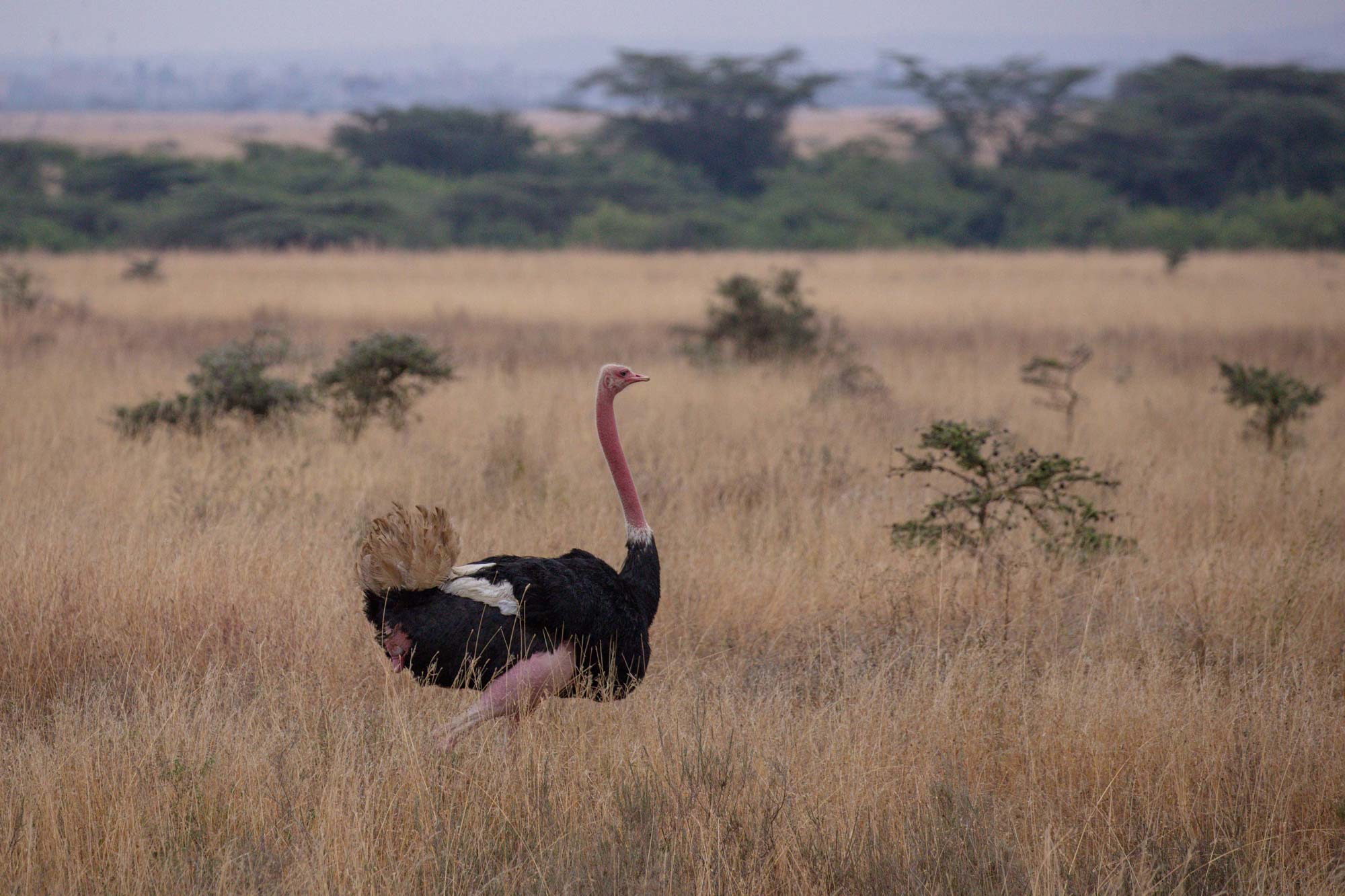
- Ostrich
- Martial Eagle
- Bateleur Eagle
Lake Manyara National Park
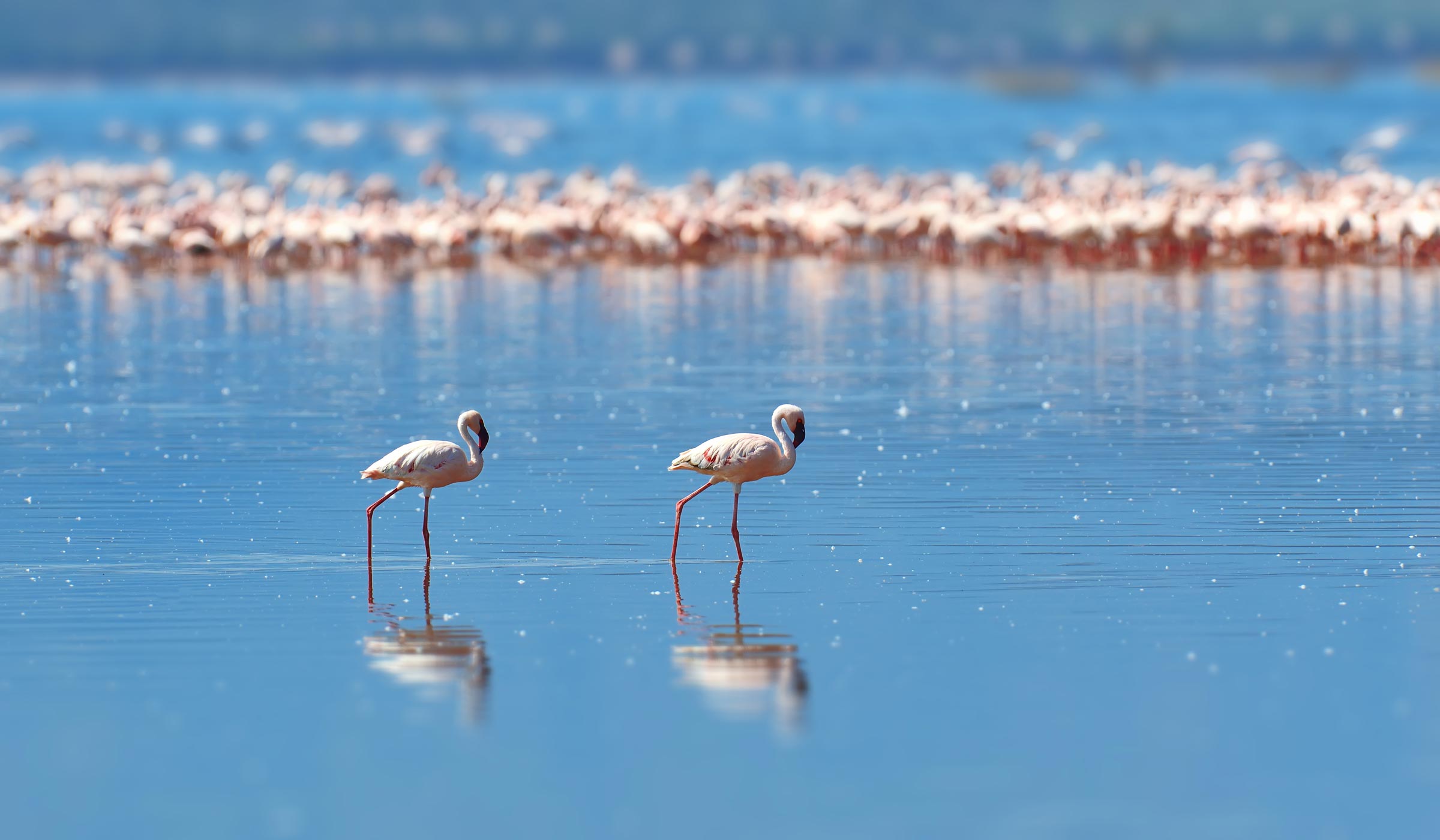
Lake Manyara is regarded as one of East Africa’s finest birdwatching destinations. More than 400 bird species inhabit the park’s alkaline lake, groundwater forest, marshes, and woodlands.
Visitors may observe:
- Greater Flamingo
- Lesser Flamingo
- Pink-backed Pelican
- African Spoonbill
- Grey Crowned Crane
Tarangire National Park
Tarangire National Park supports more than 550 bird species, making it one of the richest birding areas in Tanzania. Ancient baobab trees, river systems, and seasonal wetlands attract a remarkable diversity of birds.
Highlights include:
- Yellow collared Lovebird
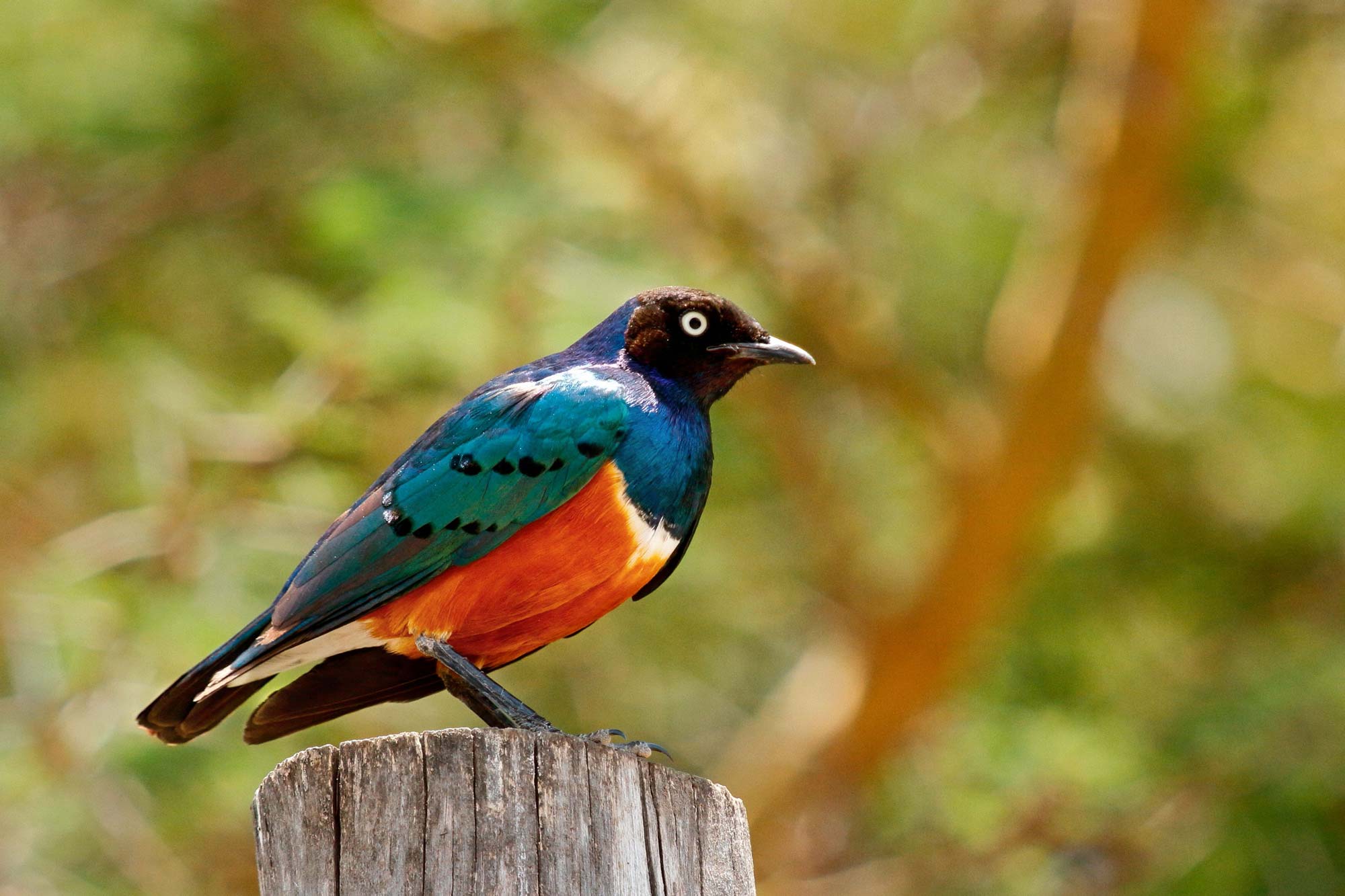
- Ashy Starling
- Kori Bustard
- Secretary Bird
- Ground Hornbill
- Martial Eagle
Endemic and Special Birds
One of Tanzania’s greatest attractions for serious birdwatchers is the opportunity to observe endemic and near-endemic birds that occur only in East Africa.
Special species include:
- Fischer’s Lovebird
- Yellow collared Lovebird
- Ashy Starling
- Pemba Sunbird
- Ruaha Chat
- Usambara Eagle Owl
- Kilimanjaro White eye
- Schalow’s Turaco
Many of these birds are found in restricted habitats, making Tanzania a bucket-list destination for birders.
Best Time for Bird Watching
November – April (Green Season)
This is widely regarded as the best period for birdwatching.
Advantages include:
- Migratory birds from Europe and Asia
- Birds in colorful breeding plumage
- Nesting activity
- Courtship displays
- Excellent bird photography
- Lush green landscapes
June – October (Dry Season)
The dry season is ideal for travelers combining birdwatching with traditional wildlife safaris.
Benefits include:
- Easier bird identification
- Better visibility
- Birds gathering near water sources
- Excellent Big Five viewing
- Comfortable weather
Bird Watching Safari Activities
Guided Birdwatching Game Drives
Guided birdwatching game drives combine the comfort and coverage of a safari vehicle with focused bird observation. Experienced guides can identify birds by their appearance, behavior, and calls while taking visitors through savannahs, woodlands, and other wildlife habitats. These drives are particularly useful for covering larger areas and finding species that may be difficult to reach on foot.
Walking Bird Safaris
Walking bird safaris provide a more intimate way to experience Tanzania’s natural environment. Moving quietly on foot allows visitors to notice smaller birds, calls, nests, tracks, insects, and plant life that can easily be missed from a vehicle. A knowledgeable guide can explain bird behavior and habitat relationships while ensuring visitors follow appropriate safety and wildlife-viewing practices.
Canoe Birdwatching
Where conditions and regulations permit, canoe birdwatching offers a unique perspective from the water. Moving quietly along lakes, rivers, or wetlands can bring visitors closer to waterbirds and species living around the shoreline. The slower pace also provides excellent opportunities for photography and observing birds feeding, resting, or moving through aquatic vegetation without the noise of a motor vehicle.
Forest Bird Walks
Forest bird walks take visitors into wooded environments where many species are adapted to dense vegetation and shaded conditions. Guides help participants locate birds by following distinctive calls, movement among branches, or activity around flowering and fruiting plants. These walks can be especially rewarding for birders interested in forest species that are rarely encountered in open savannah habitats.
Wetland Exploration
Wetland exploration focuses on habitats such as swamps, floodplains, lakeshores, and river edges that attract a wide variety of water-associated birds. Visitors may observe birds feeding in shallow water, moving through reeds, or resting along muddy shorelines. Seasonal changes in water levels can also influence which species are present and where they are most easily observed.
Why Choose a Guided Bird Watching Safari?
A specialist guide can help you:
Identify birds by their calls: Many birds remain hidden in trees or thick vegetation, making their calls one of the easiest ways to locate them. Experienced guides can recognize distinctive sounds and use them to direct visitors toward the correct species.
Find rare and endemic species: Specialist guides understand where particular species are most likely to occur and can focus the safari on suitable habitats. This increases the chances of encountering uncommon birds and species with limited geographic ranges.
Understand bird behavior: Guides can explain feeding patterns, nesting habits, courtship displays, territorial behavior, and interactions between different species. Understanding these behaviors makes individual sightings more meaningful and helps visitors appreciate birds as part of a larger ecosystem.
Learn about habitats and migration: A knowledgeable guide can explain how savannahs, forests, wetlands, lakes, and coastal environments support different bird communities. They can also discuss seasonal movements and how changing weather and food availability influence bird distribution.
Why Choose a Bird Watching Safari in Tanzania?
A bird watching safari in Tanzania is far more than simply identifying species—it is an opportunity to experience the country’s remarkable ecosystems through a different perspective. Every forest, lake, river, and savannah tells its own story through birds, from the graceful flight of fish eagles over rivers to the vibrant colors of bee-eaters, rollers, and lovebirds perched in acacia trees.
Whether you are a dedicated ornithologist, a wildlife photographer, or a traveler seeking a richer safari experience, Tanzania offers one of the most diverse and rewarding birding adventures anywhere in the world. Combined with spectacular wildlife, breathtaking scenery, and warm Tanzanian hospitality, a bird watching safari creates memories that last a lifetime.
Our Gallery

Frequently Asked Questions (FAQs)
How many bird species are found in Tanzania?
Tanzania has recorded more than 1,100 bird species, making it one of Africa’s richest birdwatching destinations.
When is the best time for bird watching in Tanzania?
The green season (November to April) is ideal for birdwatching because migratory birds arrive and many resident species are breeding, while the dry season (June to October) is excellent for combining birding with traditional wildlife safaris.
Which national park is best for birdwatching?
Tarangire National Park, Lake Manyara National Park, Serengeti National Park, Ngorongoro Crater, Arusha National Park, Ruaha National Park, and Nyerere National Park are all outstanding birdwatching destinations, each offering unique habitats and bird species.
Is bird watching suitable for beginners?
Yes. Bird watching in Tanzania is suitable for everyone, from first time visitors to experienced birders. Professional guides help identify species and explain their behavior, making the experience enjoyable and educational.
Can bird watching be combined with a wildlife safari?
Absolutely. Birdwatching blends perfectly with classic wildlife safaris, allowing visitors to enjoy the Big Five, the Great Migration, and Tanzania’s incredible birdlife during the same unforgettable journey.
Book Your Safari
Book your Safari today and create unforgettable memories.