Tarangire National Park
Start your Tarangire adventure today and discover why millions of travelers from around the world choose this extraordinary national park for the safari experience of a lifetime.
Tarangire National Park Overview
Tarangire National Park is one of Tanzania’s most spectacular wildlife destinations, celebrated for its enormous elephant herds, majestic baobab trees, rich biodiversity, and peaceful safari experiences. Located in northern Tanzania, approximately 118 kilometers (73 miles) southwest of Arusha, the park covers an area of 2,850 square kilometers (1,100 square miles) and forms an important part of Tanzania’s famous Northern Safari Circuit, together with Serengeti National Park, Ngorongoro Crater, Lake Manyara National Park, and Arusha National Park.
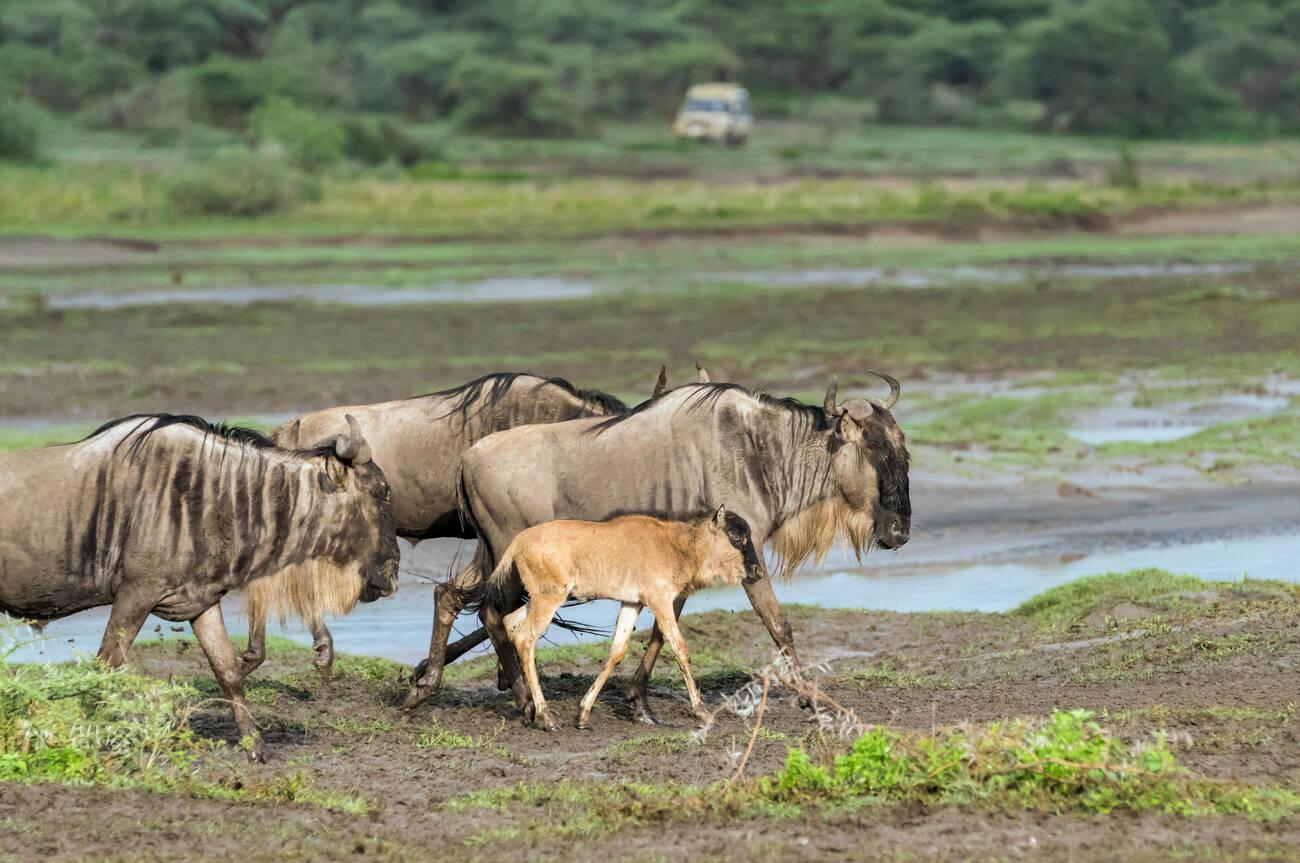
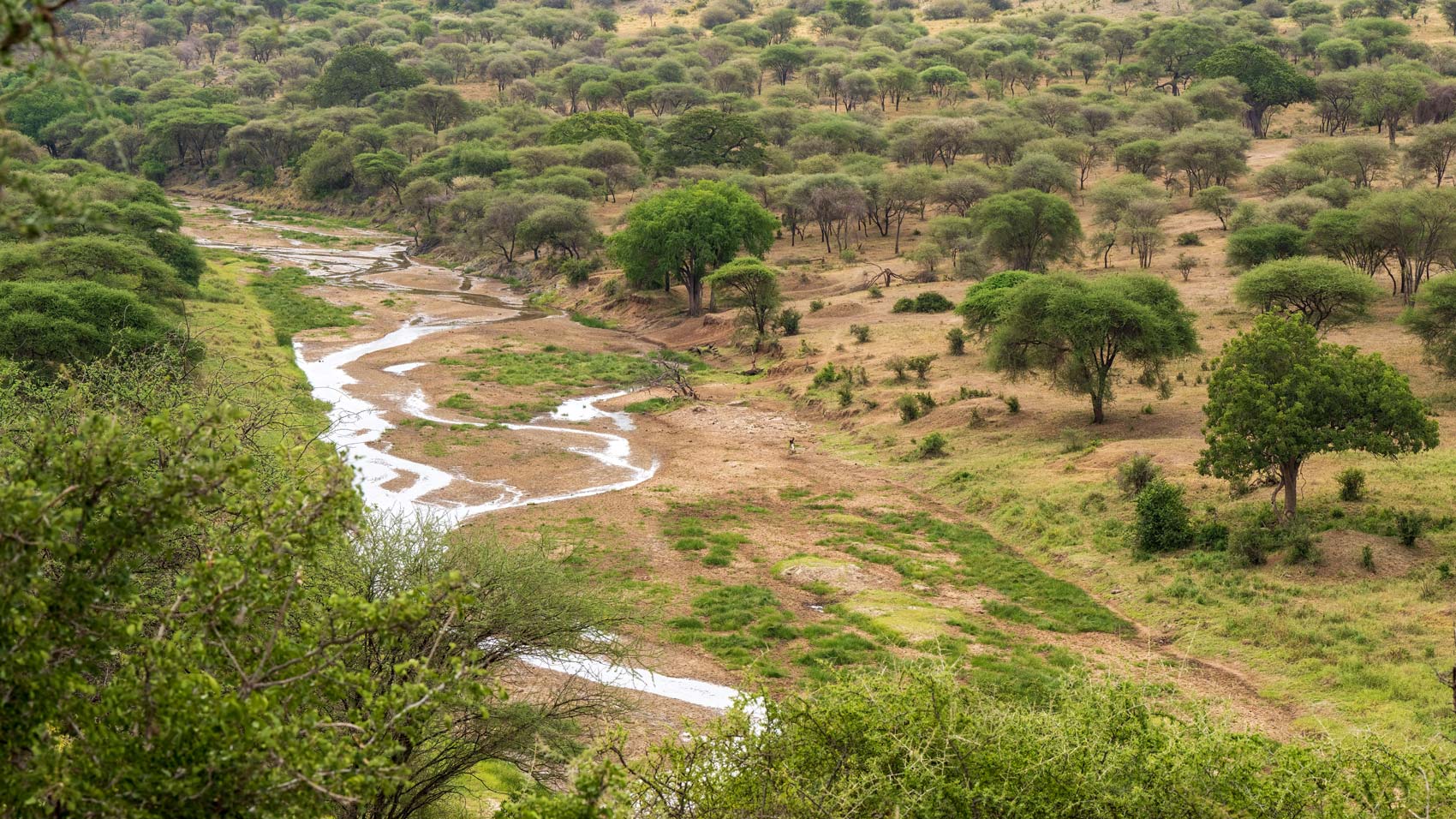
Although often overshadowed by the Serengeti and Ngorongoro, Tarangire offers an authentic wilderness experience with fewer crowds, making it a favorite destination for photographers, birdwatchers, families, and travelers seeking a quieter safari. During the dry season, the park hosts one of the largest concentrations of wildlife in East Africa as thousands of animals migrate toward the life-giving Tarangire River, the park’s only permanent source of water.
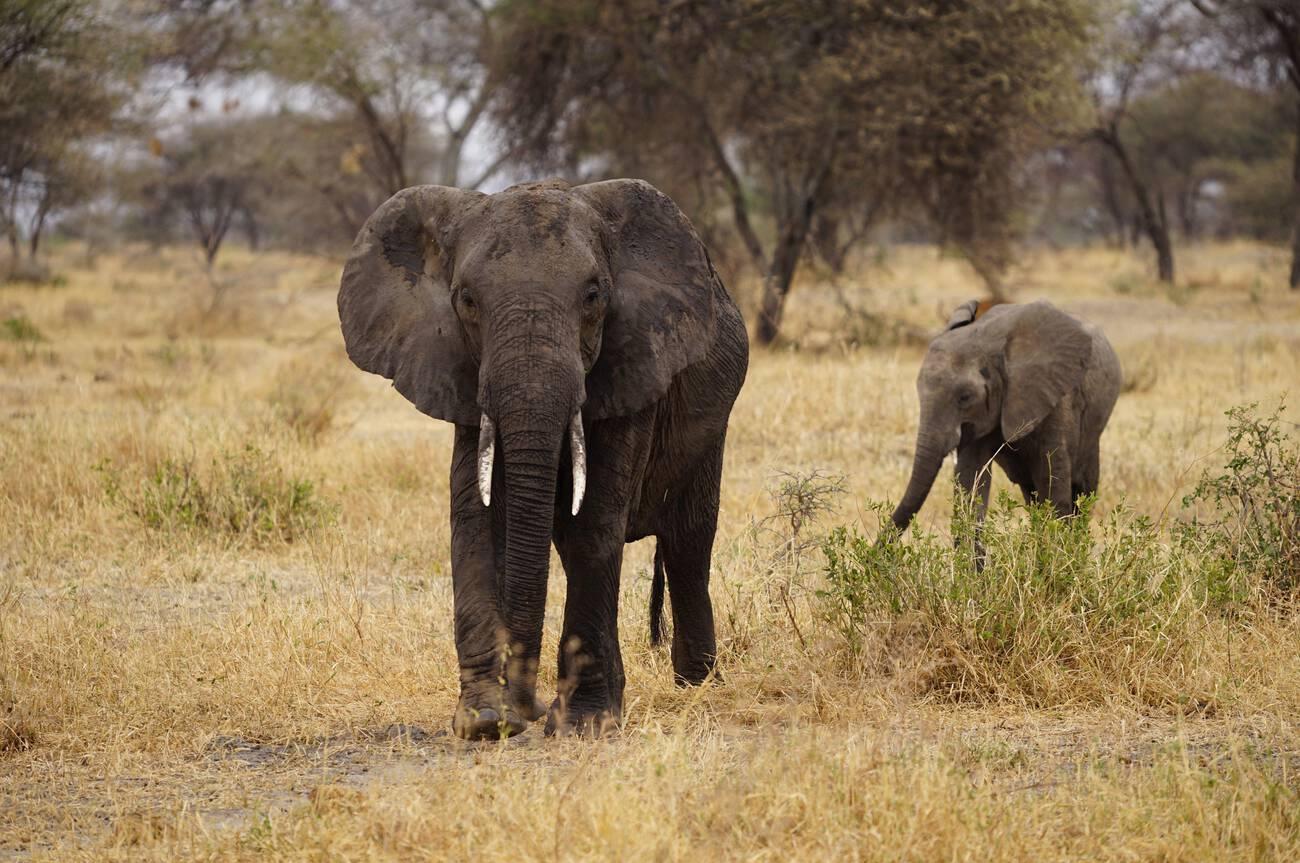
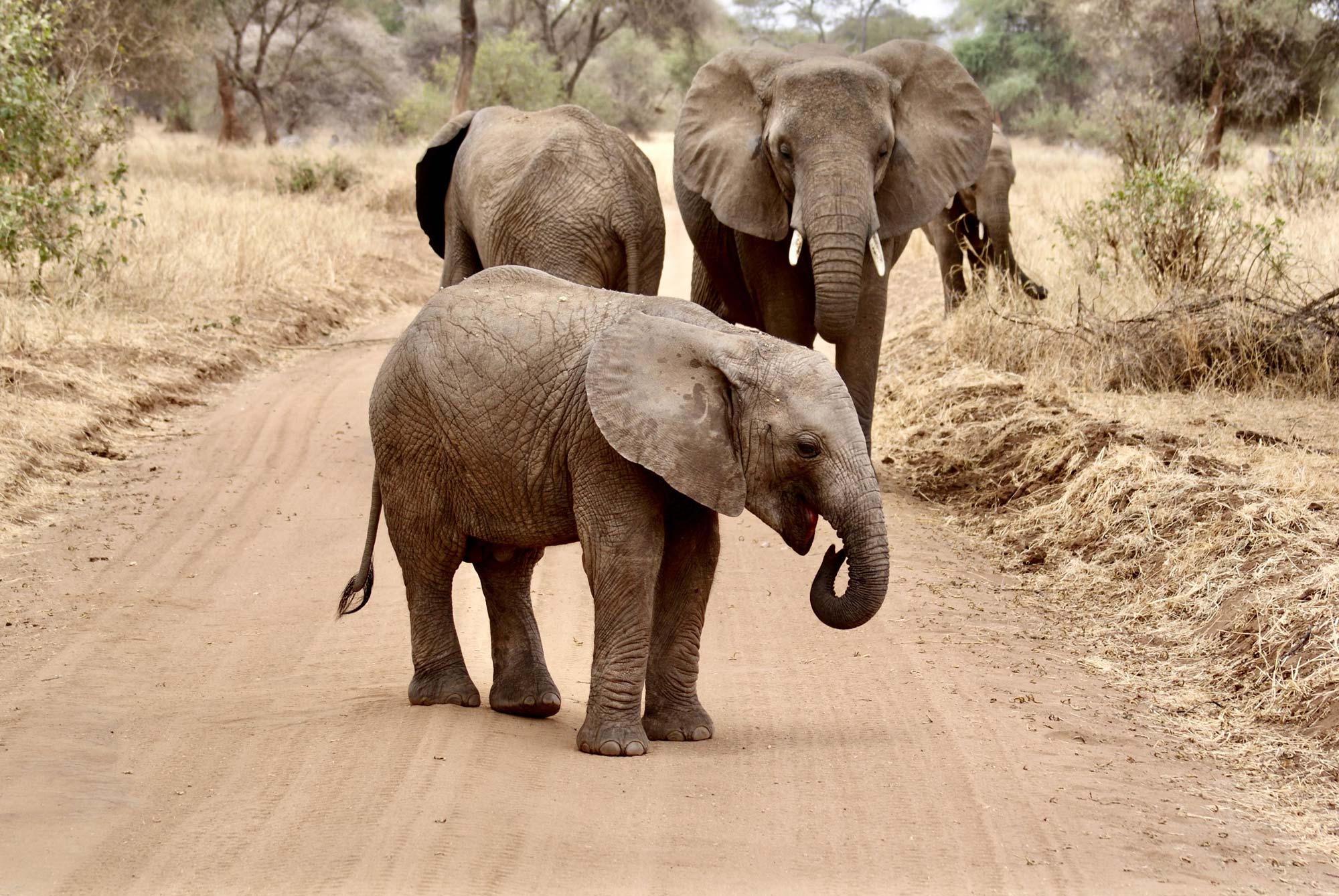
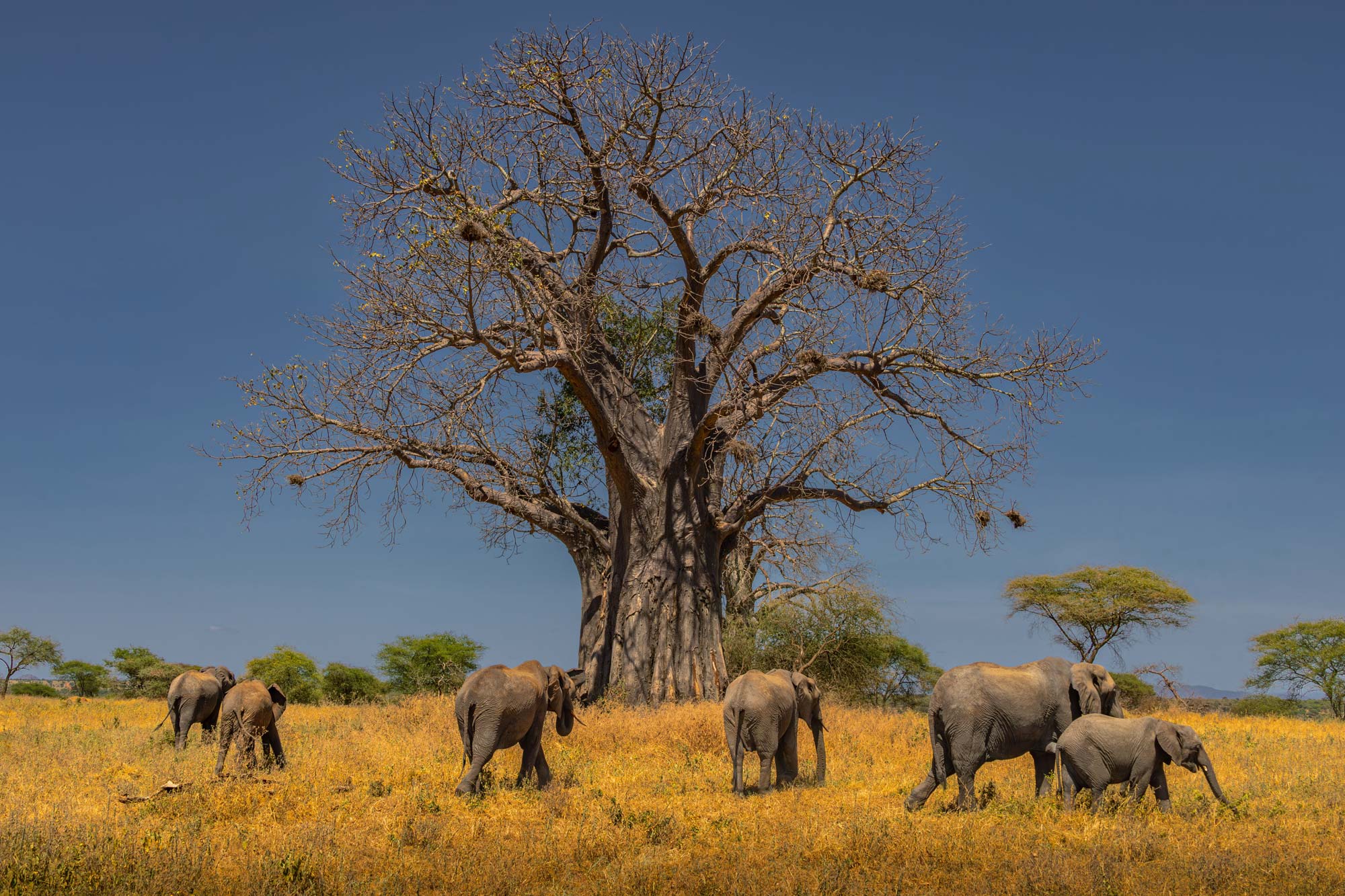
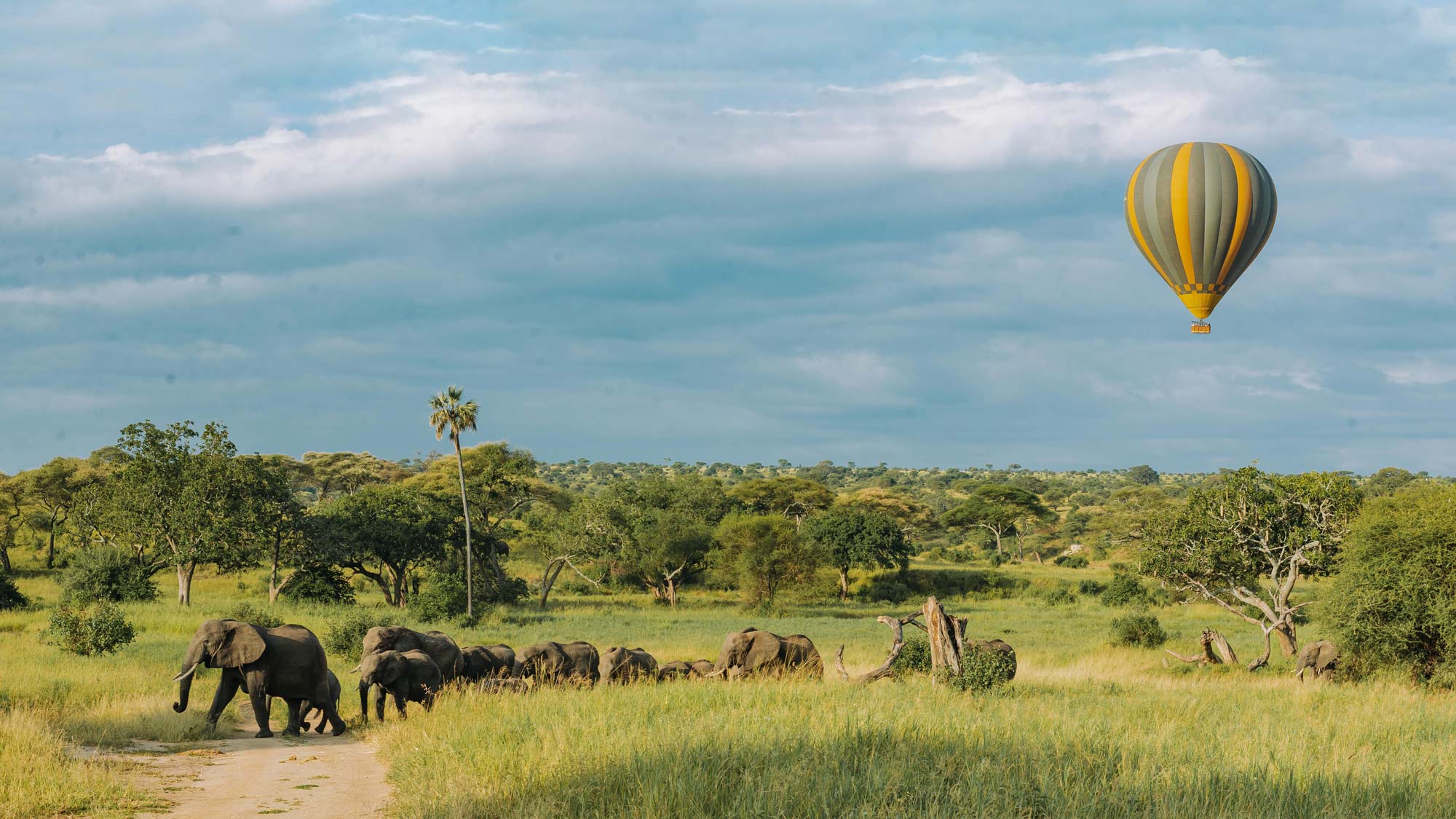
Tarangire is internationally recognized as the “Kingdom of Elephants” because it supports one of the highest elephant populations in Tanzania. Visitors can frequently observe herds of over 300 elephants traveling together, interacting socially, bathing in riverbeds, and feeding beneath the park’s iconic baobab trees.
History of Tarangire National Park
The history of Tarangire National Park is deeply connected to the wildlife migrations and pastoral traditions of northern Tanzania. For centuries, Maasai communities used the surrounding lands for seasonal grazing while wildlife moved freely across the ecosystem following rainfall and fresh grazing.
Recognizing the area’s ecological importance, the Tanzanian government established Tarangire as a game reserve before officially gazetting it as a national park in 1970. The park was created to protect one of East Africa’s most important dry season refuges for wildlife, ensuring that animals would continue to have access to the permanent waters of the Tarangire River.
Today, Tarangire plays a critical role in wildlife conservation. It serves as an essential migration corridor connecting surrounding community lands, game controlled areas, and wildlife management areas. Conservation organizations, local communities, and Tanzania National Parks (TANAPA) work together to protect habitats, reduce human wildlife conflict, and promote sustainable tourism that benefits nearby villages.
Wildlife in Tarangire National Park
Big Five Animals
African Elephant
Tarangire is world famous for its elephants and supports an estimated population of more than 3,000 individuals. Some herds can number more than 300 elephants. Visitors may watch family groups interacting, young calves playing in muddy areas, and mature bulls moving through the park with their impressive tusks.
African Lion
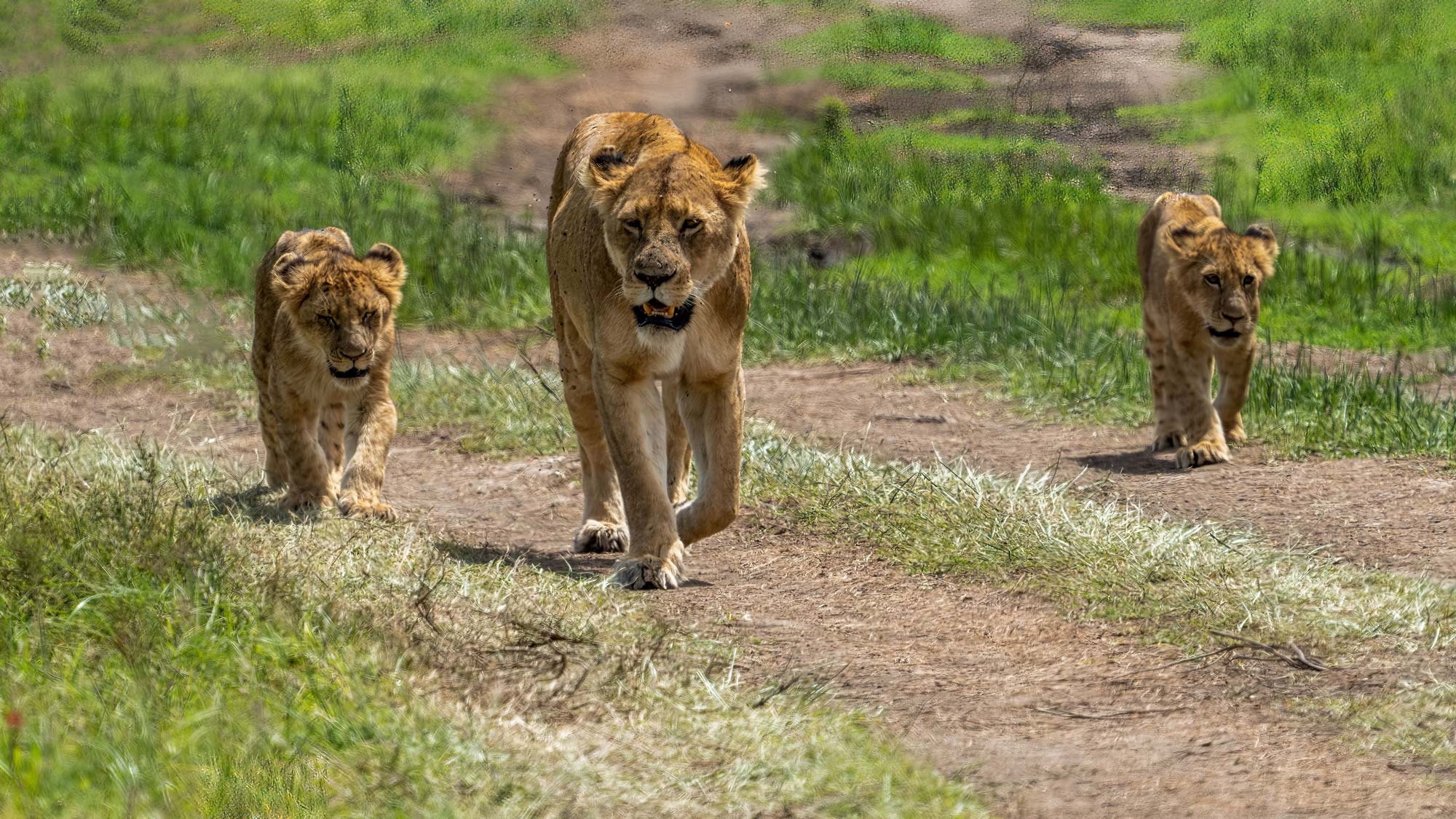
Lions are frequently encountered throughout Tarangire, particularly around riverbanks, open plains, and areas where prey animals gather. Several resident prides occupy different territories within the park, giving visitors opportunities to observe hunting behavior, resting lions, territorial displays, and interactions between adults and young cubs.
African Leopard
Leopards inhabit Tarangire’s woodlands, riverine forests, and areas with dense vegetation. They are naturally elusive and can be difficult to spot, but experienced safari guides often locate them resting on tree branches, moving through woodland areas, or watching potential prey from concealed positions.
African Buffalo
Large herds of African buffalo are commonly seen near the Tarangire River and seasonal wetlands. These powerful animals often graze alongside zebras, wildebeest, and different antelope species. Their presence also contributes to the park’s rich predator prey ecosystem.
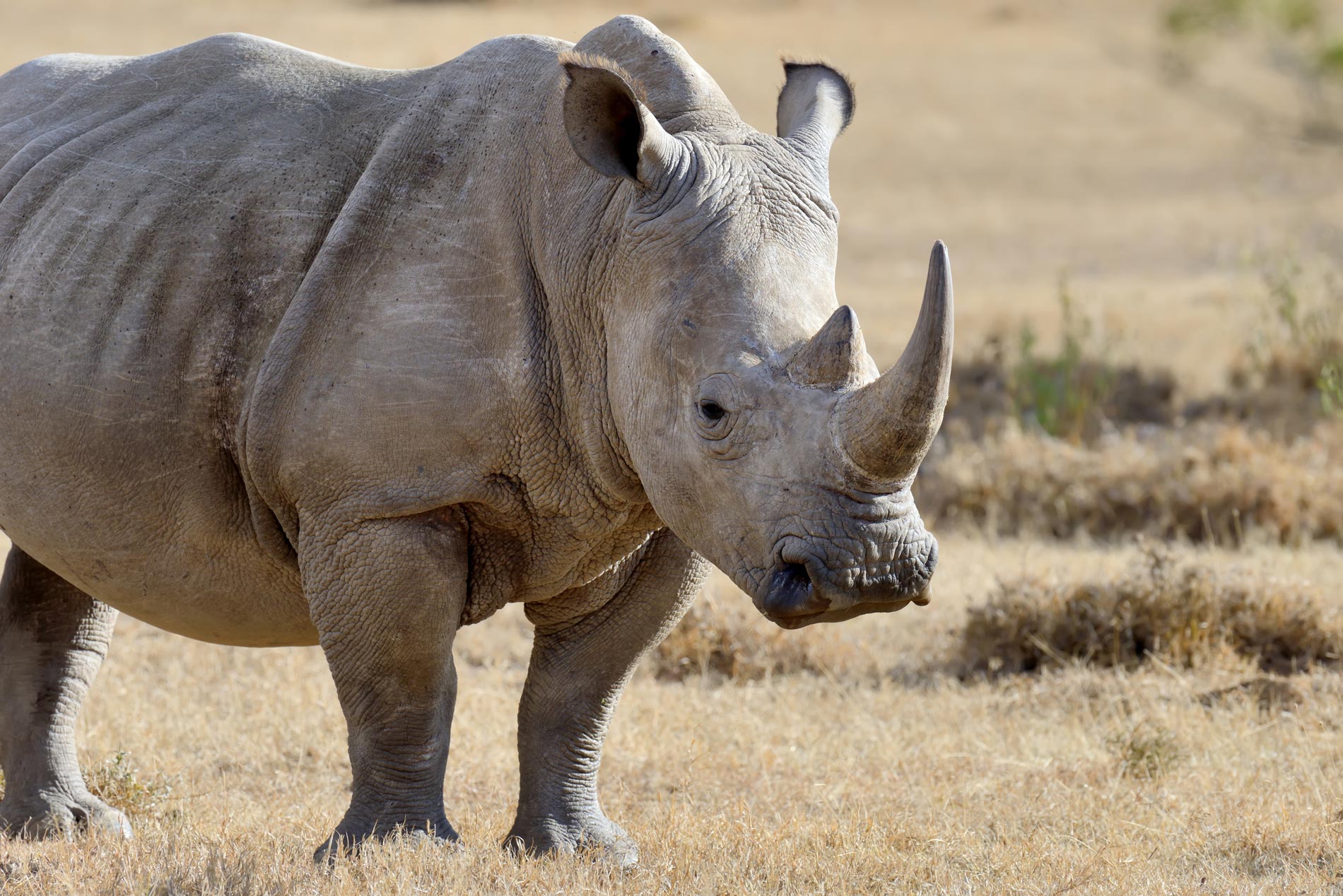
Black Rhinoceros
Predators
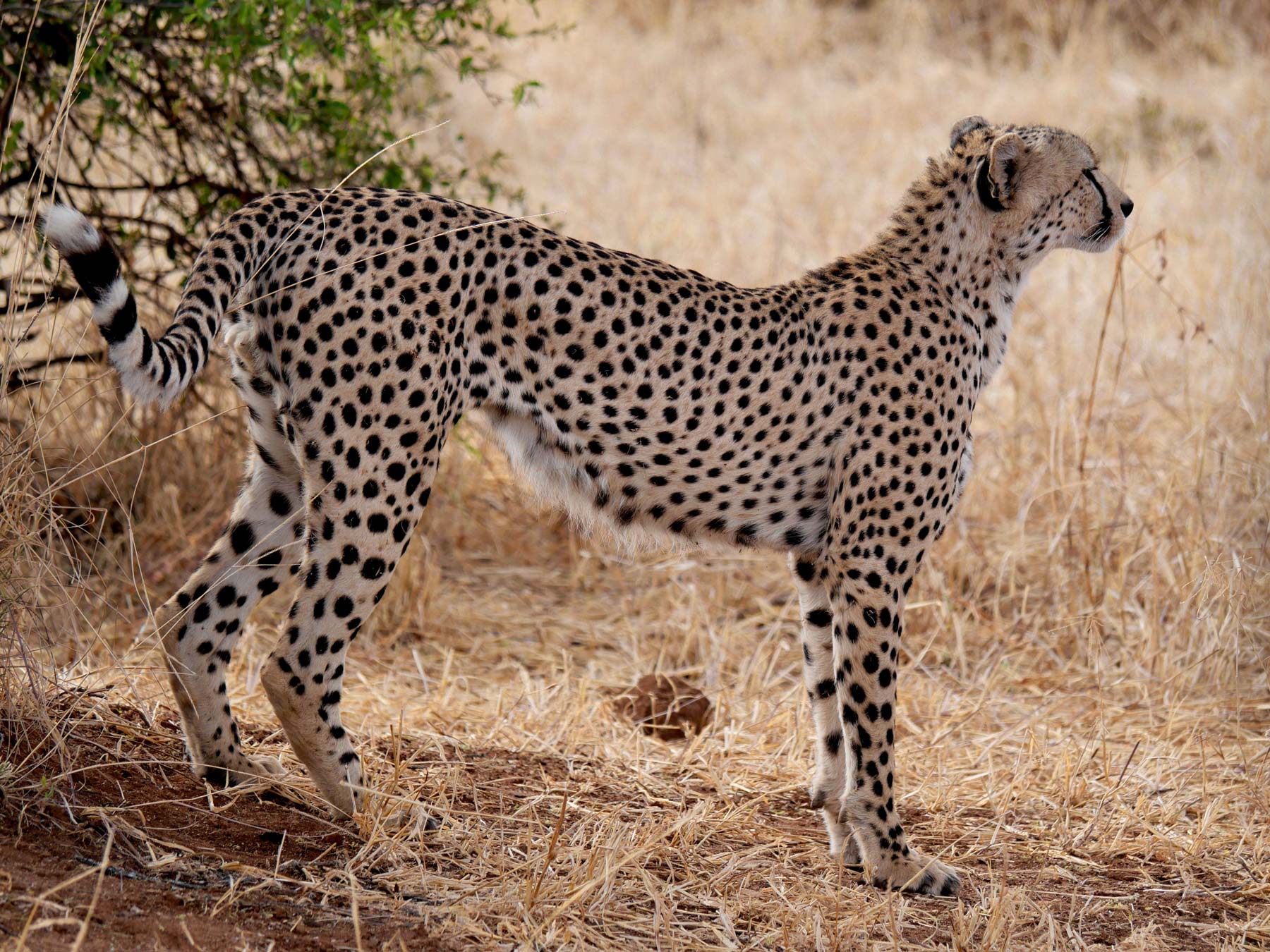
Tarangire has a healthy predator population supported by its abundant prey species and varied habitats. Visitors may encounter lions, leopards, cheetahs, spotted hyenas, black-backed jackals, side-striped jackals, bat-eared foxes, African wild cats, and serval cats. Predators are generally most active during the early morning and late afternoon when temperatures are cooler.
Birdlife
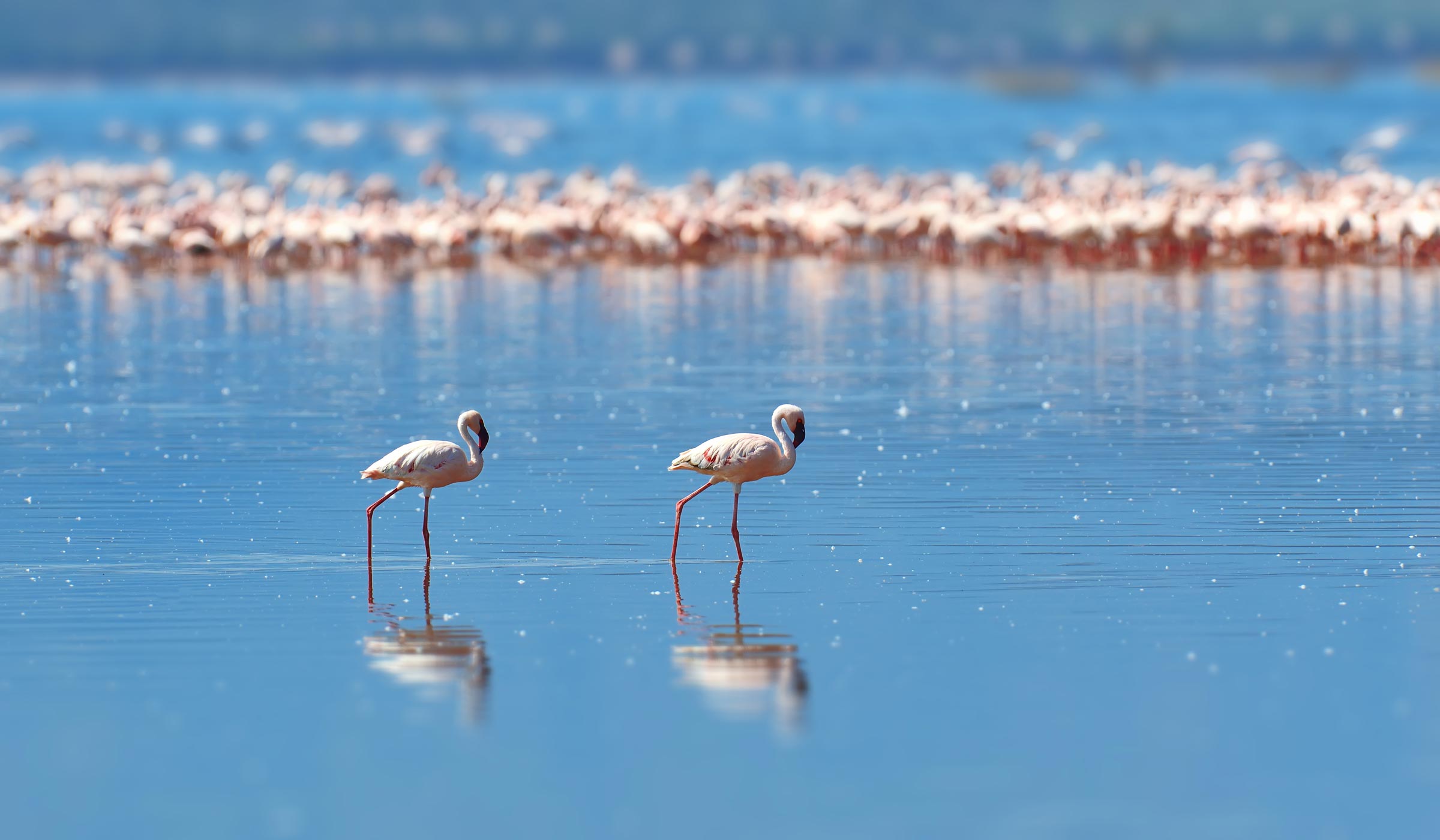
Tarangire is considered one of East Africa’s finest birdwatching destinations, with more than 550 bird species recorded. Its diverse habitats attract both resident and seasonal birds, making the park an excellent destination for bird enthusiasts as well as general safari travelers. Popular species include the yellow-collared lovebird, kori bustard, secretary bird, ostrich, African fish eagle, martial eagle, bateleur eagle, and white-bellied bustard. Birdwatching is particularly rewarding around wetlands, river areas, open grasslands, and woodland habitats where different species gather to feed and nest.
The Famous Baobab Trees
One of Tarangire’s defining features is its magnificent African baobab trees, some of which are estimated to be over 1,000 years old.
Known as the “Tree of Life,” the baobab stores thousands of liters of water within its trunk, allowing it to survive long dry periods. These iconic trees provide food, shelter, and nesting sites for numerous animals and birds.
Elephants frequently strip bark from baobabs for moisture and nutrients, while baboons, birds, insects, and reptiles all benefit from these remarkable trees. Their dramatic silhouettes against the African sunset create some of the most iconic safari photographs in Tanzania.
Avtivities in Tarangire National Park
Game Drives
Morning and afternoon game drives provide excellent opportunities to observe elephants, predators, giraffes, and numerous antelope species.
Walking Safaris
Guided walking safaris allow visitors to discover the smaller details of the ecosystem, including tracks, insects, medicinal plants, and birdlife.
Night Game Drives
In designated concession areas outside the national park, travelers may enjoy night drives to observe nocturnal wildlife such as civets, genets, bush babies, and porcupines.
Bird Watching
Tarangire is one of Tanzania’s premier birdwatching destinations, attracting enthusiasts from around the world.
Photography Safaris
Golden light, giant baobab trees, and abundant wildlife create exceptional photography opportunities throughout the park.
Cultural Tours
Visitors can explore nearby Maasai villages and learn about traditional customs, livestock management, beadwork, music, and dance while supporting local communities.
Best Time to Visit Tarangire National Park
Tarangire is a year-round safari destination, but each season offers different experiences.
June – October (Dry Season)
This is the best time for wildlife viewing. Thousands of animals gather around the Tarangire River, making game viewing outstanding. Vegetation is sparse, allowing visitors to spot wildlife more easily.
November – May (Green Season)
The rainy season transforms the park into a lush green paradise filled with wildflowers and migratory birds. Wildlife becomes more dispersed, but scenery is spectacular, birdwatching is exceptional, and visitor numbers are lower.
Accommodation in Tarangire National Park
Luxury Lodges
Luxury lodges often provide spacious rooms or private villas, comfortable beds, private bathrooms, viewing decks, swimming pools, and high quality meals. Some offer private vehicles, spa treatments, laundry services, and exclusive activities. Many luxury properties are located near important wildlife areas and may move seasonally to follow the Great Migration.
Mid Range Lodges and Tented Camps
Mid range accommodations provide a balance between comfort and cost. Guests may stay in permanent lodges, canvas tents with private bathrooms, or comfortable mobile camps. These properties usually include meals, guided game drives, housekeeping, and common areas where guests can relax between activities.
Budget Camps and Public Campsites
Budget travelers can choose public campsites, shared facilities, or basic tented accommodation. These options are more affordable but may require guests to bring or arrange camping equipment. Camping provides a close connection with nature, but visitors should be prepared for basic facilities, changing weather, dust, insects, and the need to follow strict wildlife safety rules.
Why Visit Tarangire National Park?
Tarangire National Park offers a safari experience that combines extraordinary wildlife, breathtaking scenery, and genuine tranquility. Its enormous elephant herds, ancient baobab trees, diverse birdlife, and peaceful atmosphere make it one of Tanzania’s most rewarding safari destinations.
Unlike busier parks, Tarangire allows visitors to enjoy intimate wildlife encounters with fewer vehicles, creating a more authentic connection with nature. Whether you’re photographing elephants beneath towering baobabs, watching lions patrol the grasslands, listening to hundreds of birds at sunrise, or relaxing as giraffes stroll past your lodge, every moment in Tarangire showcases the beauty of Africa’s wilderness.
For travelers exploring Tanzania’s Northern Safari Circuit, Tarangire is the perfect introduction to an unforgettable safari adventure and a destination that consistently exceeds expectations.
Our Gallery
Frequently Asked Questions (FAQs)
Is Tarangire National Park worth visiting?
Yes. Tarangire is one of Tanzania’s top safari destinations, renowned for its large elephant herds, iconic baobab trees, exceptional birdlife, and uncrowded game drives.
How many days should I spend in Tarangire?
A stay of 2–3 days is ideal for exploring different areas of the park, while photographers and birdwatchers may enjoy spending 3–4 days to fully experience its diverse habitats.
What animals is Tarangire famous for?
Tarangire is best known for elephants, lions, giraffes, buffaloes, zebras, wildebeest, greater kudu, oryx, and more than 550 bird species.
When is the best time to visit Tarangire?
The dry season (June to October) offers the best wildlife viewing as animals gather around the Tarangire River. The green season (November to May) is ideal for birdwatching, photography, and lush scenery.
Can I combine Tarangire with Serengeti and Ngorongoro?
Absolutely. Tarangire National Park is a key stop on Tanzania’s Northern Safari Circuit and is commonly combined with Lake Manyara National Park, Ngorongoro Crater, Serengeti National Park, and Arusha National Park for a complete and unforgettable safari experience.
Book Your Safari
Book your Safari today and create unforgettable memories.