Lake Manyara National Park
Start your Lake Manyara adventure today and discover why millions of travelers from around the world choose this extraordinary national park for the safari experience of a lifetime.
Lake Manyara National Park Overview
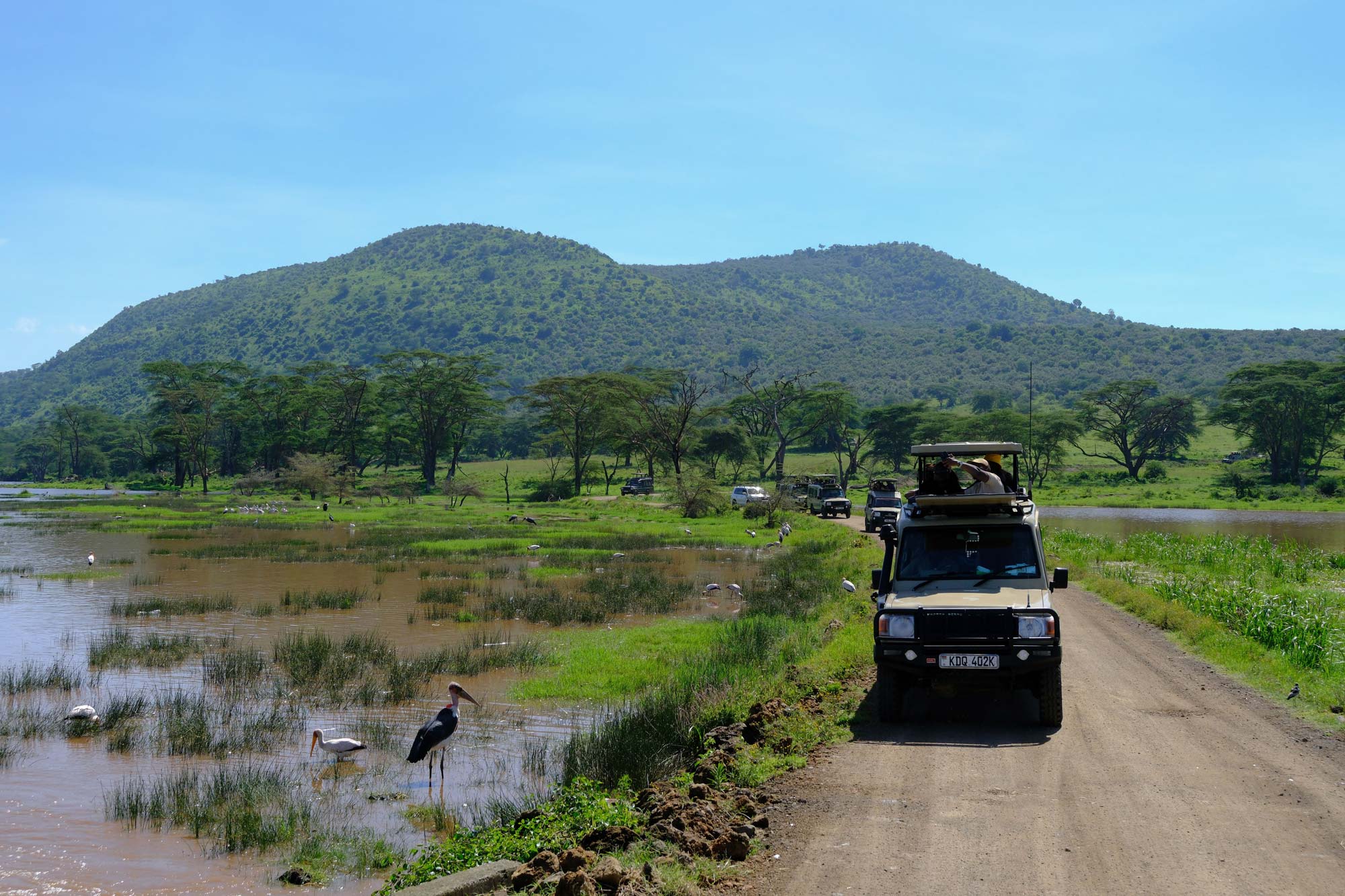
Lake Manyara National Park is one of Tanzania’s most picturesque and ecologically diverse protected areas, offering visitors a remarkable combination of wildlife, birdlife, dramatic landscapes, and unforgettable safari experiences. Situated at the base of the magnificent Great Rift Valley Escarpment in northern Tanzania, the park covers approximately 330 square kilometers (127 square miles), of which nearly two thirds is occupied by the alkaline waters of Lake Manyara.
Despite being one of the smaller national parks in Tanzania, Lake Manyara is renowned for its extraordinary biodiversity. Within a relatively compact area, visitors can explore lush groundwater forests, open grasslands, acacia woodlands, marshes, hot springs, floodplains, and the expansive lake itself. These varied ecosystems support an impressive array of wildlife, making every safari unique and rewarding.
Lake Manyara National Park forms part of Tanzania’s famous Northern Safari Circuit, alongside Tarangire National Park, Ngorongoro Crater, Serengeti National Park, and Arusha National Park. Because of its convenient location only about 126 kilometers (78 miles) from Arusha, it is often the first or last stop on a multi-day safari itinerary.
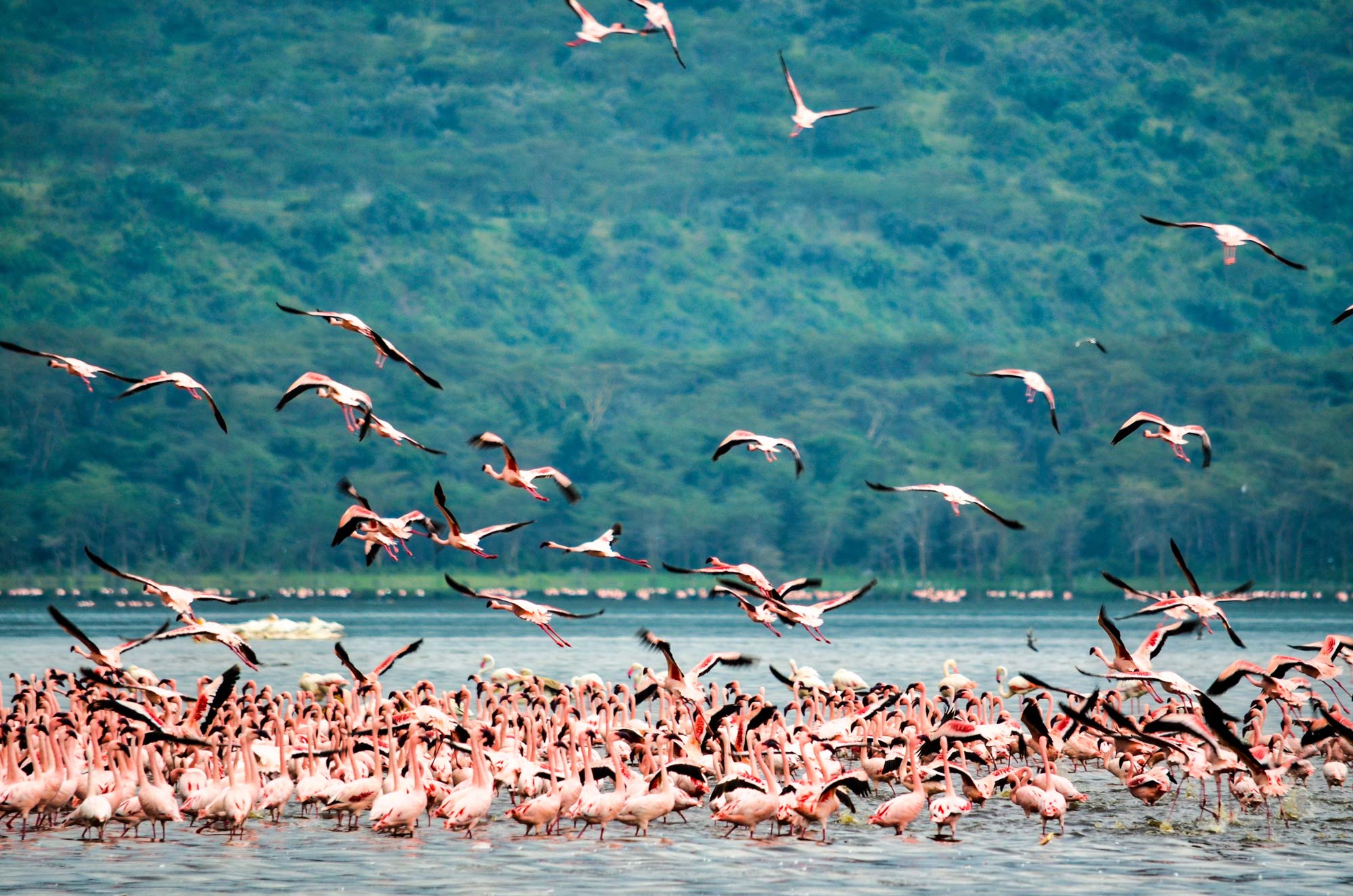
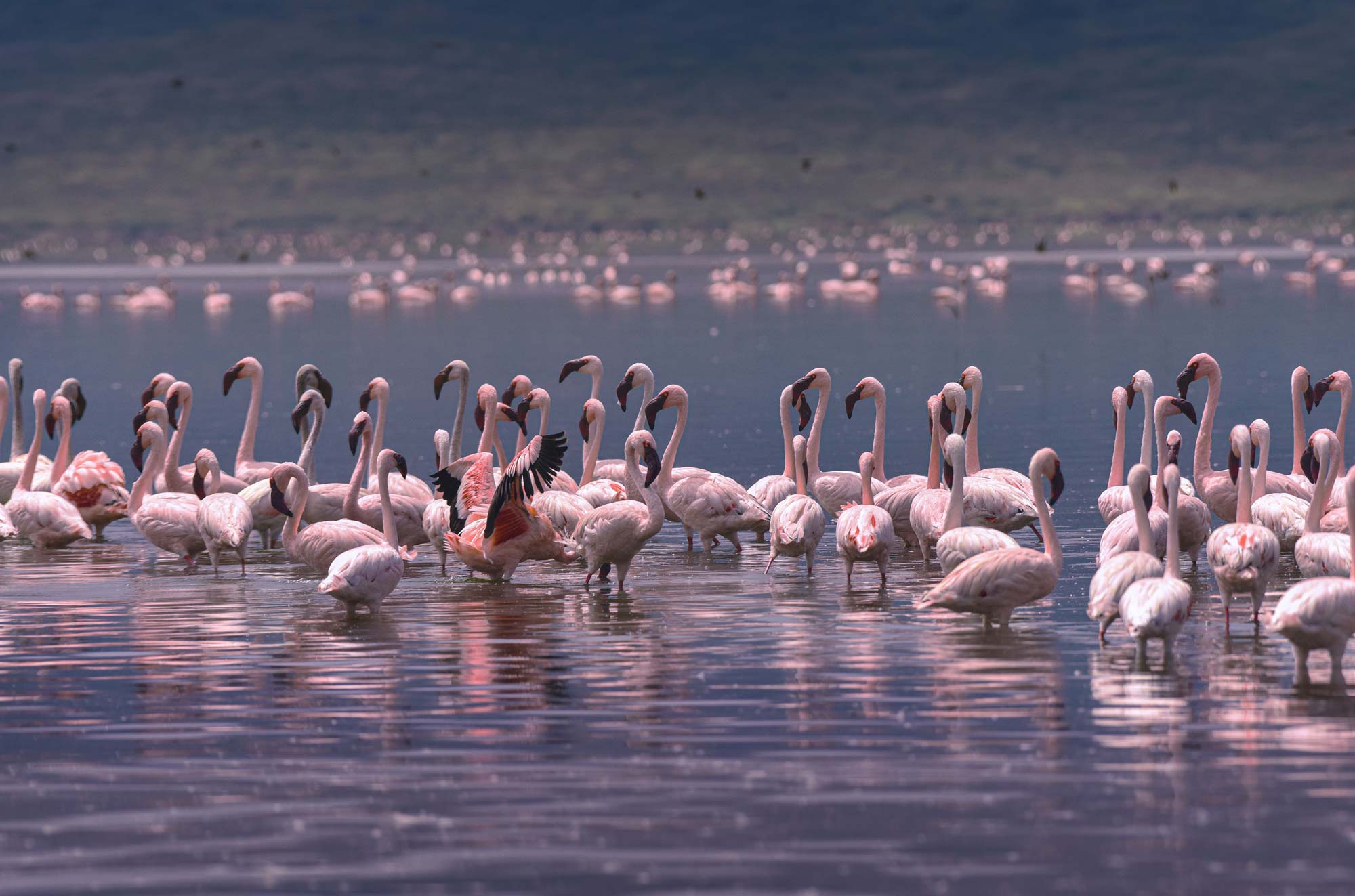
The park is internationally famous for its tree climbing lions, large troops of baboons, thousands of flamingos that gather on the lake during favorable conditions, and more than 400 recorded bird species. Visitors are often surprised by the incredible variety of habitats found within such a small area, making Lake Manyara one of the most rewarding destinations for wildlife enthusiasts, birdwatchers, photographers, and nature lovers.
Geography and Landscape of Lake Manyara
One of the greatest attractions of Lake Manyara National Park is the incredible diversity of landscapes found within a relatively small area. As visitors enter the park, they immediately pass through dense groundwater forests filled with towering mahogany, fig, and wild mango trees. These cool forests are nourished by underground springs flowing from the Great Rift Valley escarpment.
Beyond the forest, the scenery changes dramatically into open grasslands, acacia woodlands, seasonal floodplains, marshes, hot springs, and finally the shimmering alkaline waters of Lake Manyara.
The park’s major landscapes include:
- Groundwater forest
- Acacia woodland
- Open savannah
- Floodplains
- Freshwater streams
- Marshes
- Lake shoreline
- Alkaline lake
- Hot springs (Maji Moto)
- Great Rift Valley escarpment
The dramatic cliffs of the Great Rift Valley rise hundreds of meters above the park, creating breathtaking scenery and spectacular viewpoints. During sunrise and sunset, the escarpment glows with changing colors, providing unforgettable photographic opportunities.
Lake Manyara itself changes in size depending on rainfall, creating dynamic habitats that support fish, amphibians, insects, mammals, and thousands of waterbirds throughout the year.
Wildlife in Lake Manyara National Park
Elephants
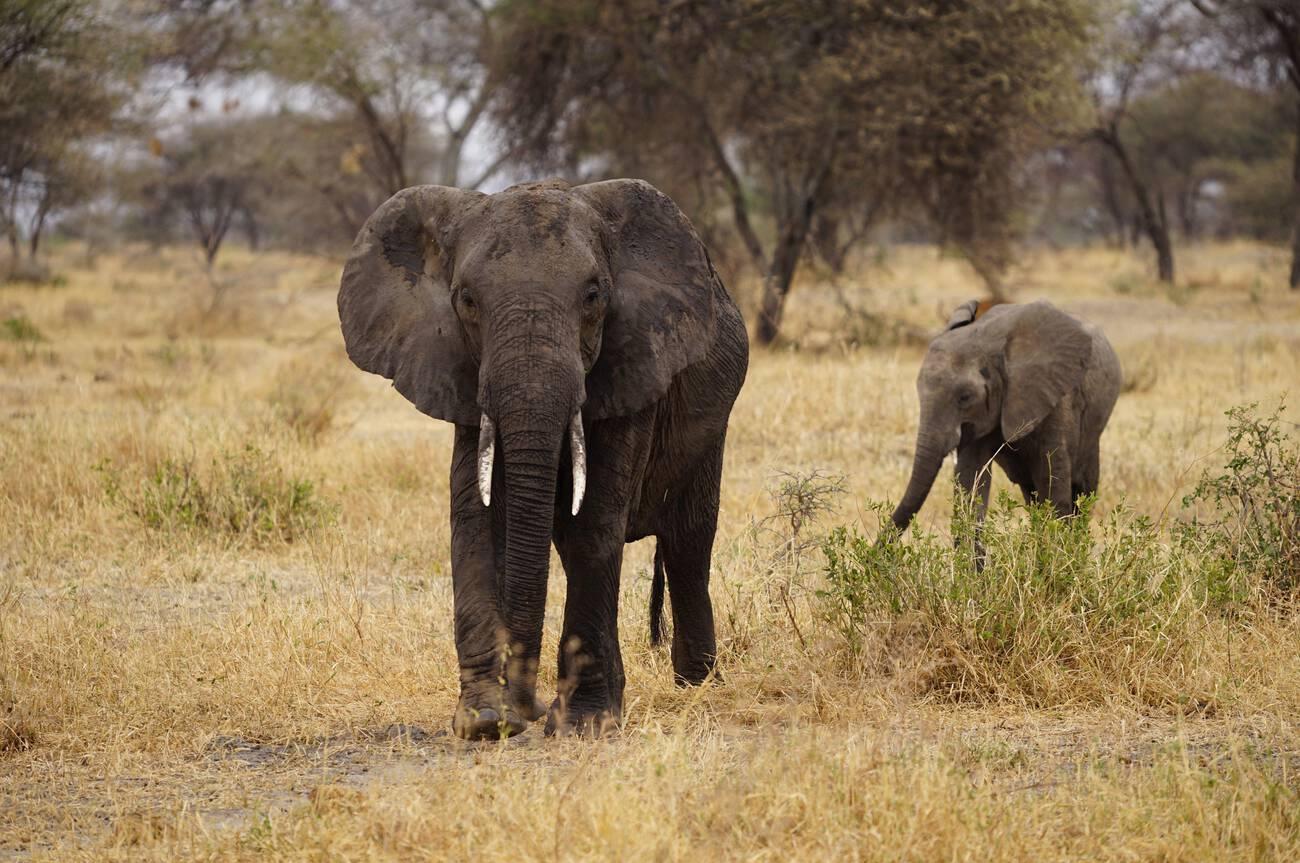
Lake Manyara is one of Tanzania’s best places to observe African elephants at close range. Family groups often move quietly through the groundwater forest, feeding on leaves, bark, and roots. Visitors may watch calves playing beneath protective adults while older bulls wander independently through the woodlands. Because of the park’s dense forests, elephant encounters often feel especially intimate and memorable.
Tree Climbing Lions
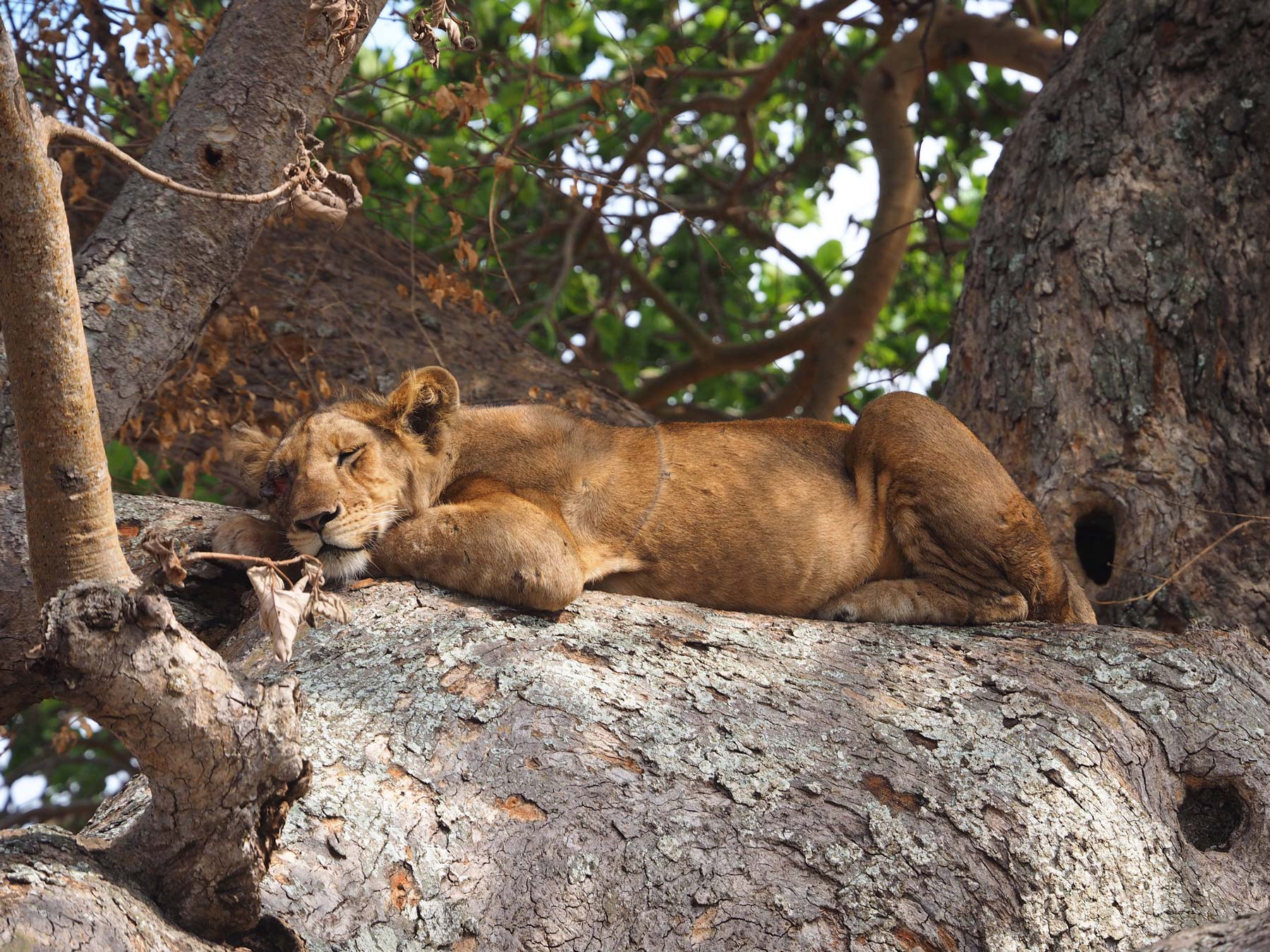
Lake Manyara is world famous for its tree climbing lions, a rare behavior observed in only a few places in Africa. Unlike most lions that rest on the ground, Manyara’s lions are frequently seen relaxing on large acacia tree branches during the heat of the day. Although scientists continue to study this unusual behavior, climbing trees may help the lions escape insects, enjoy cooler breezes, or gain better views of surrounding wildlife. Finding one of these lions resting high above the ground is considered one of the park’s most exciting safari experiences.
Lake Manyara – The Heart of the Park
Lake Manyara is a shallow alkaline lake that dominates the eastern side of the park and gives the national park its name. The lake supports an extraordinary variety of aquatic life, including fish, algae, aquatic plants, and countless invertebrates that provide food for waterbirds and other wildlife. Seasonal changes in rainfall cause the lake to expand and contract throughout the year, continuously reshaping habitats and influencing wildlife movements.
Visitors often observe:
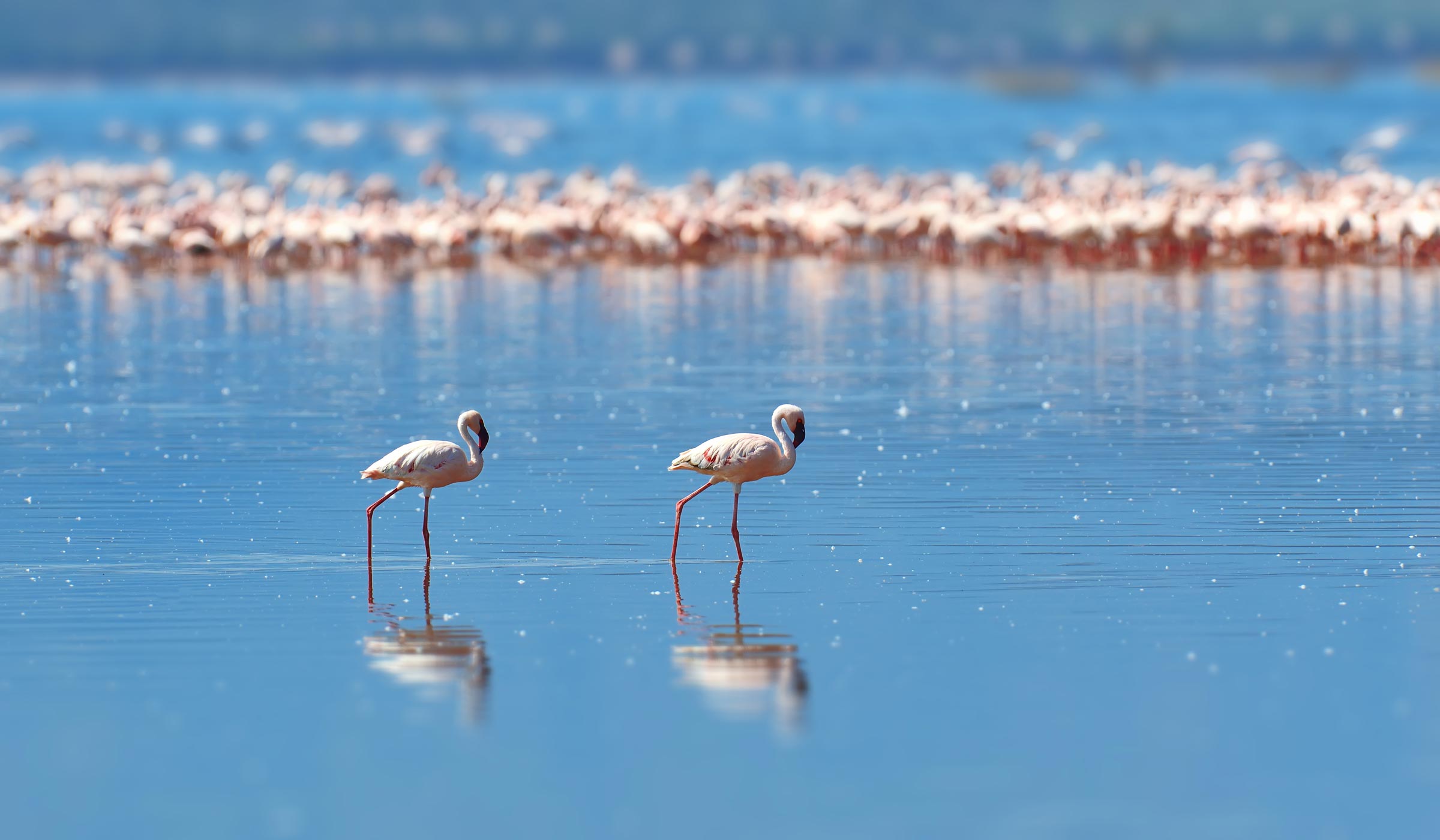
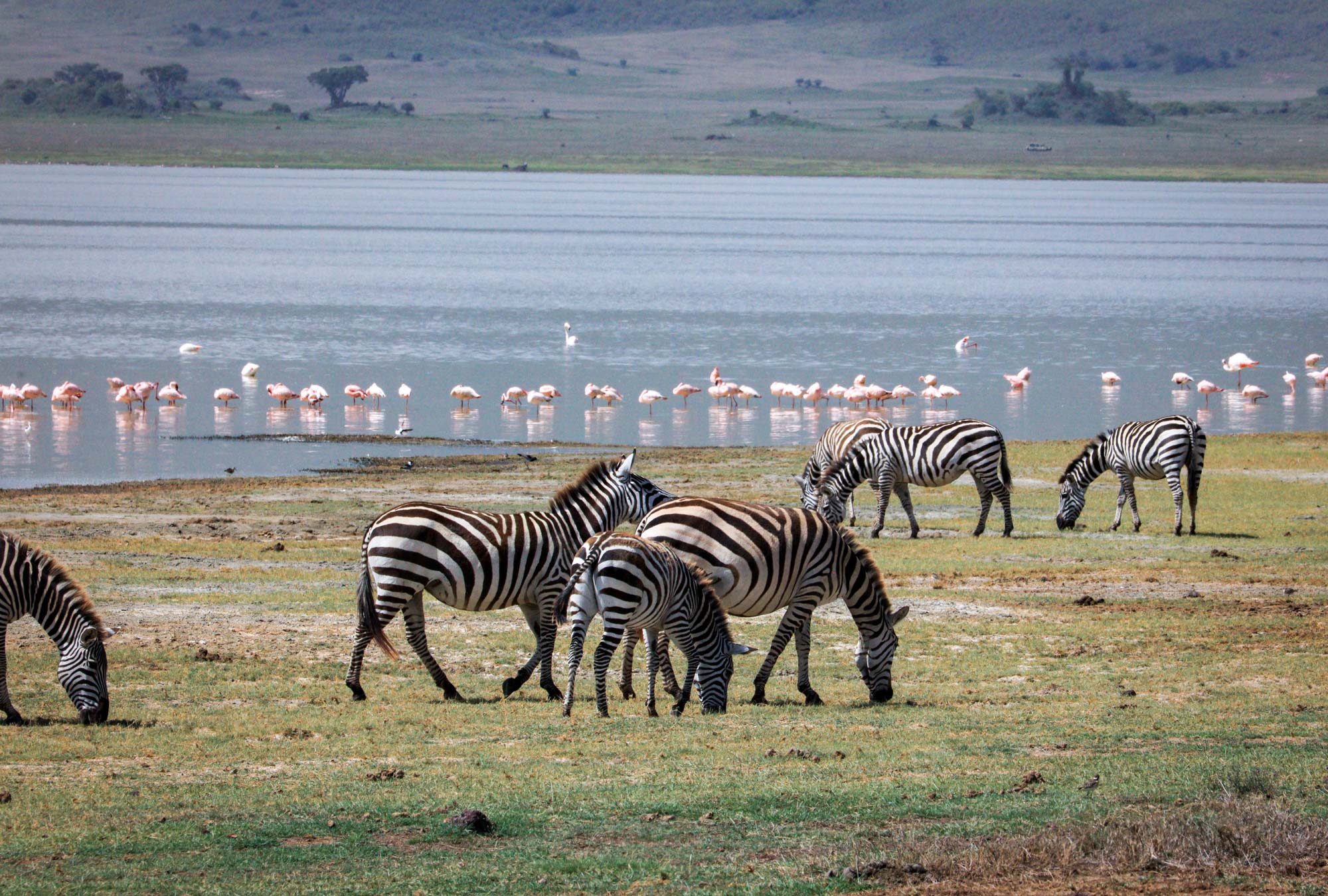
- Flamingos feeding along the shoreline
- Pelicans gliding across the water
- Hippos resting in shallow pools
- Buffaloes grazing nearby
- Elephants drinking along the lake edge
The peaceful beauty of Lake Manyara creates an unforgettable backdrop for wildlife photography.
The Groundwater Forest
The lush groundwater forest is one of the park’s most distinctive ecosystems. Fed by underground springs flowing from the Great Rift Valley escarpment, this evergreen forest remains green throughout the year even during dry periods. Visitors walking or driving beneath its towering trees often encounter:
- Elephants
- Blue monkeys
- Olive baboons
- Bushbucks
- Hornbills
- Butterflies
- Numerous forest birds
The cool shade and dense vegetation provide a refreshing contrast to the open plains found elsewhere in Tanzania’s safari parks.
Activities in Lake Manyara National Park
Game Drives
Morning and afternoon game drives provide opportunities to observe elephants, tree climbing lions, giraffes, hippos, buffaloes, and countless bird species.
Canoeing
When water levels permit, guided canoe safaris allow visitors to explore Lake Manyara from the water while observing birds and wildlife from a unique perspective.
Bird Watching
With over 400 bird species, Lake Manyara is a paradise for bird enthusiasts and photographers.
Treetop Walkway
The Manyara Treetop Walkway offers visitors an exciting chance to walk through the forest canopy on suspended bridges while enjoying panoramic views of the surrounding forest.
Cultural Tours
Visitors may explore nearby villages and interact with local communities to learn about traditional farming, handicrafts, music, and Tanzanian culture.
Photography
The park’s changing landscapes, colorful birds, giant fig trees, elephants, and dramatic Rift Valley backdrop provide endless opportunities for exceptional photography.
Climate of Lake Manyara
Dry Season
- Sunny weather
- Comfortable temperatures
- Easier wildlife viewing
- Minimal rainfall
Green Season
- Lush vegetation
- Afternoon showers
- Excellent birdwatching
- Beautiful photographic conditions
Visitors should pack lightweight clothing, comfortable walking shoes, sun protection, and a light jacket for cooler mornings.
Accomodation in Lake Manyara National Park
Luxury Lodges
Luxury lodges often provide spacious rooms or private villas, comfortable beds, private bathrooms, viewing decks, swimming pools, and high-quality meals. Some offer private vehicles, spa treatments, laundry services, and exclusive activities. Many luxury properties are located near important wildlife areas and may move seasonally to follow the Great Migration.
Mid Range Lodges and Tented Camps
Mid range accommodations provide a balance between comfort and cost. Guests may stay in permanent lodges, canvas tents with private bathrooms, or comfortable mobile camps. These properties usually include meals, guided game drives, housekeeping, and common areas where guests can relax between activities.
Budget Camps and Public Campsites
Budget travelers can choose public campsites, shared facilities, or basic tented accommodation. These options are more affordable but may require guests to bring or arrange camping equipment. Camping provides a close connection with nature, but visitors should be prepared for basic facilities, changing weather, dust, insects, and the need to follow strict wildlife safety rules.
Why Visit Lake Manyara National Park?
Lake Manyara National Park offers an unforgettable safari experience unlike any other destination in Tanzania. Its remarkable combination of lush forests, alkaline lake, towering Rift Valley escarpment, abundant wildlife, colorful birdlife, and rare tree climbing lions creates an extraordinary natural setting.
The park’s compact size allows visitors to experience multiple ecosystems in a single day, making every game drive rich with variety. From watching elephants emerge silently from dense forests to photographing flamingos against shimmering waters and spotting lions resting in acacia trees, every moment offers something unique.
Whether you are beginning your Northern Tanzania safari or completing a journey through Serengeti, Ngorongoro, and Tarangire, Lake Manyara provides a peaceful yet exciting destination that perfectly combines wildlife, scenery, culture, and adventure.
Our Gallery
Frequently Asked Questions (FAQs)
Is Lake Manyara National Park worth visiting?
Yes. Lake Manyara is one of Tanzania’s most scenic national parks, famous for its tree-climbing lions, elephants, flamingos, diverse landscapes, and outstanding birdwatching opportunities.
How many days should I spend in Lake Manyara?
A full-day safari is sufficient for most visitors, but spending 1–2 days allows more time to enjoy birdwatching, photography, canoeing (when available), and the treetop walkway.
Can I see the Big Five in Lake Manyara?
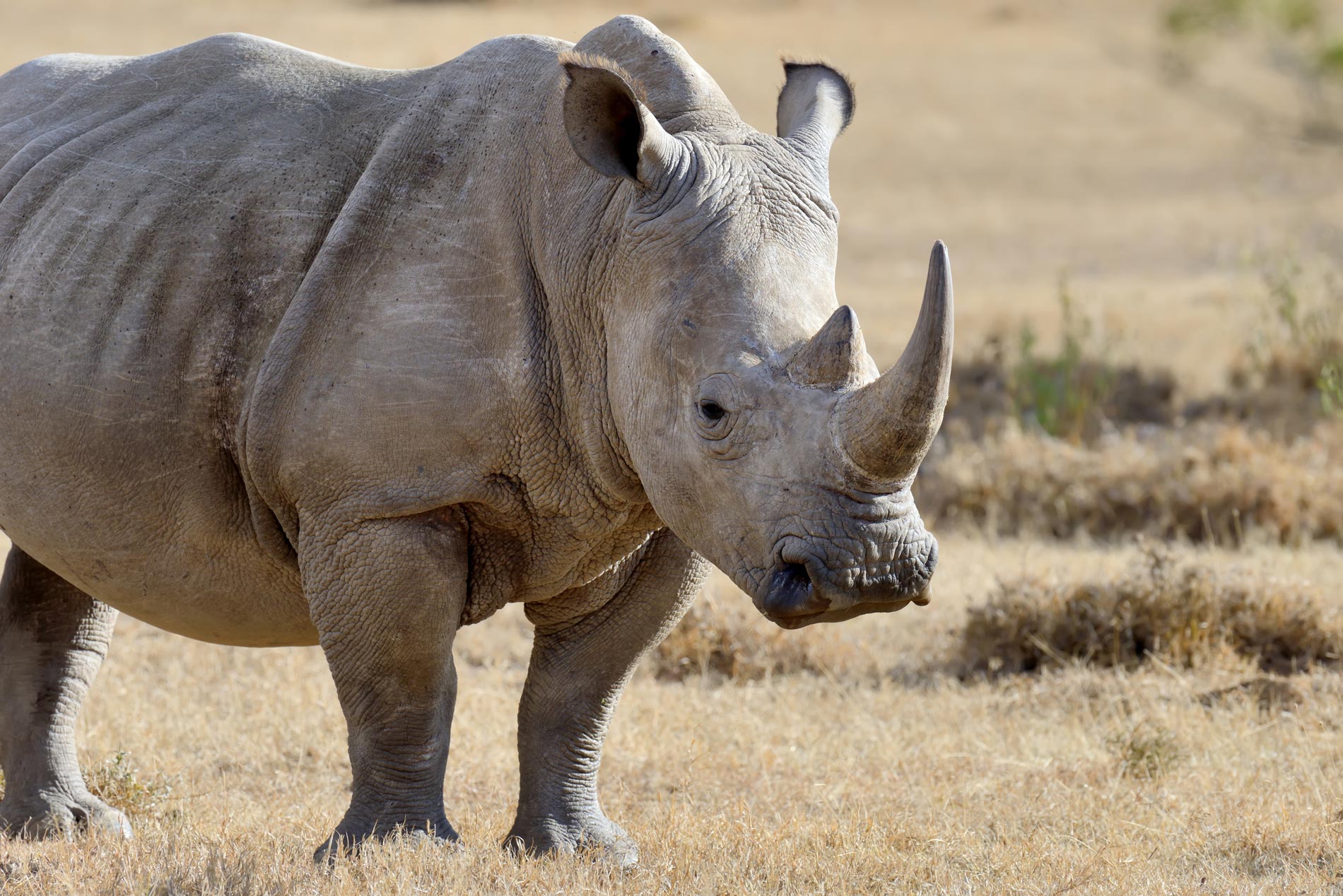
Visitors commonly see elephants, buffaloes, and lions. Leopards are occasionally spotted, while black rhinos are not found in the park.
What is the best time to see flamingos?
Flamingo numbers vary according to rainfall and lake water conditions. The best sightings generally occur when water levels and food availability are favorable.
Can I combine Lake Manyara with Serengeti, Ngorongoro, and Tarangire?
Absolutely. Lake Manyara National Park is a key destination on Tanzania’s Northern Safari Circuit and is commonly included in itineraries alongside Tarangire National Park, Ngorongoro Crater, Serengeti National Park, and Arusha National Park, creating one of Africa’s most iconic safari journeys.
Book Your Safari
Book your Safari today and create unforgettable memories.