Materuni Overview
Materuni Waterfalls is one of Tanzania’s most beautiful natural attractions, offering visitors a perfect combination of breathtaking scenery, rich Chagga culture, lush tropical landscapes, and unforgettable outdoor adventures. Nestled on the green slopes of Mount Kilimanjaro, near the vibrant town of Moshi, Materuni Waterfalls is a destination that showcases the incredible beauty of northern Tanzania beyond its famous wildlife safaris.
Located approximately 15 kilometers (9 miles) from Moshi, the waterfall sits at an elevation of about 1,800 meters (5,900 feet) above sea level within the traditional homeland of the Chagga people. The area enjoys a cool mountain climate, fertile volcanic soils, and abundant rainfall, creating ideal conditions for dense forests, coffee plantations, banana farms, and crystal-clear mountain streams.
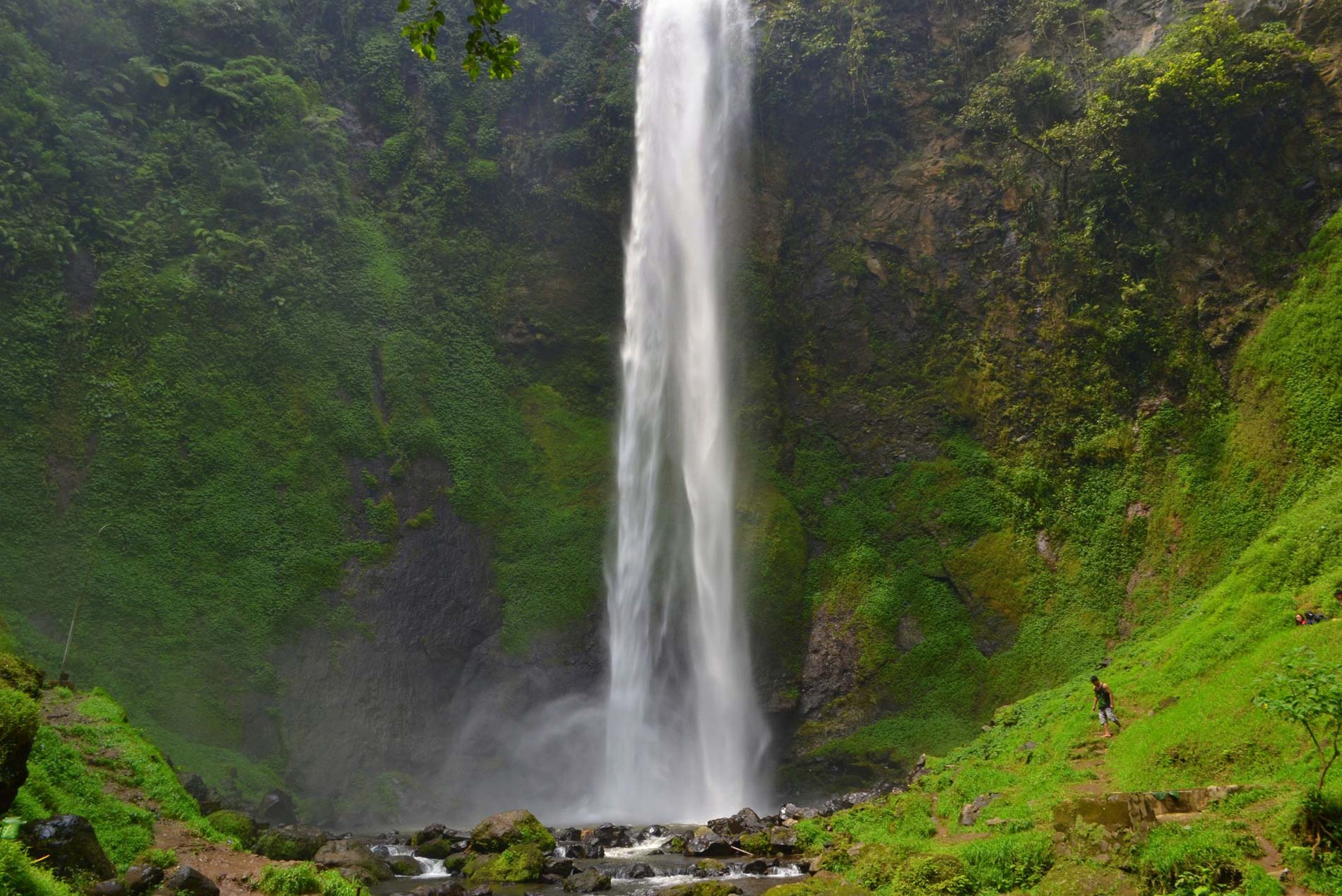
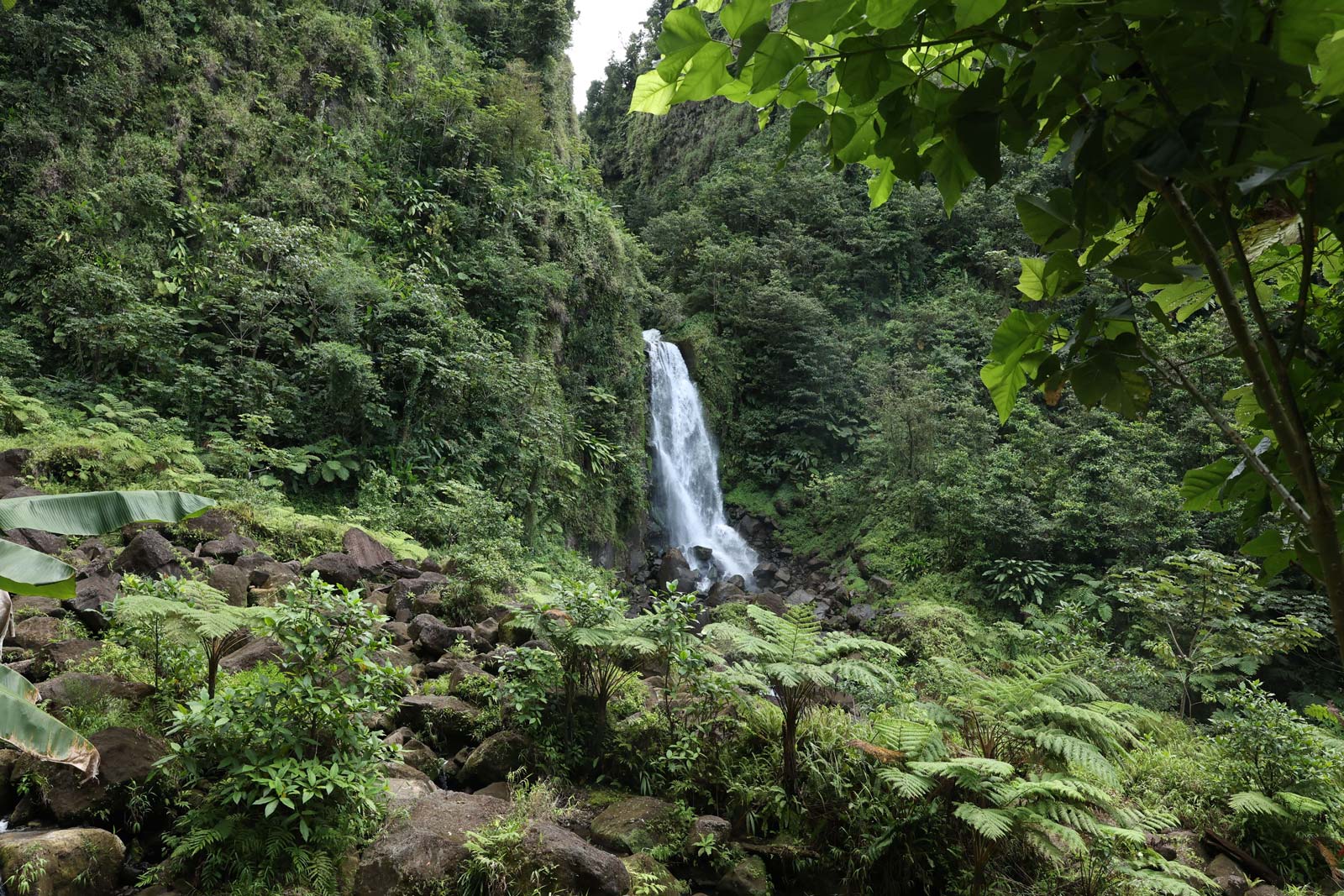
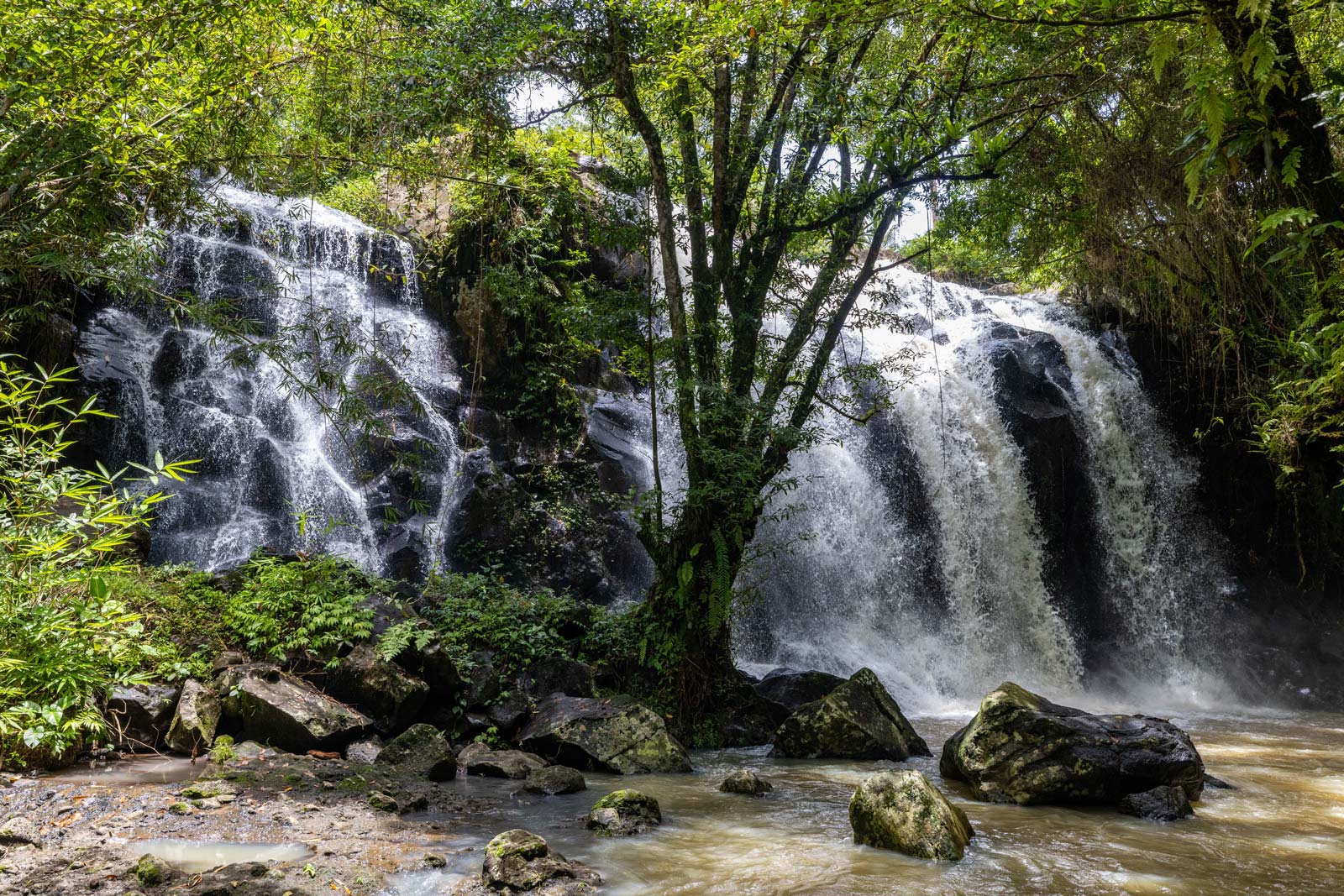
The waterfall plunges nearly 90 meters (295 feet) into a natural pool surrounded by moss-covered rocks and tropical vegetation, creating one of the most spectacular waterfalls in Tanzania. The journey to the waterfall is just as rewarding as the destination itself, taking visitors through picturesque villages, coffee farms, colorful gardens, and scenic mountain trails with magnificent views of Mount Kilimanjaro and the surrounding valleys.
Materuni Waterfalls is much more than a sightseeing destination. Visitors have the opportunity to experience authentic Chagga culture, participate in traditional coffee-making tours, enjoy guided nature walks, sample local cuisine, and learn about the history, customs, and daily life of one of Tanzania’s most fascinating communities.
Landscape of Materuni Waterfalls
Materuni lies on the southern slopes of Mount Kilimanjaro, Africa’s highest mountain. The landscape is dramatically different from Tanzania’s dry savannahs, featuring lush green forests, mountain streams, fertile farmland, and breathtaking panoramic views.
The area is characterized by:
- Tropical rainforest
- Coffee plantations
- Banana farms
- Small rivers and streams
- Waterfalls
- Mountain valleys
- Volcanic soils
- Wildflowers
- Indigenous forest
- Traditional Chagga villages
The abundance of rainfall flowing from Mount Kilimanjaro creates permanent streams that feed Materuni Waterfalls and support rich biodiversity throughout the region.
On clear days, visitors enjoy spectacular views of Kibo Peak, the snow capped summit of Mount Kilimanjaro, rising above the surrounding forests.
Hiking to Materuni Waterfalls
Reaching the waterfall requires a guided walk through the beautiful countryside of Materuni Village.
The hike typically takes between 45 minutes and 1.5 hours, depending on weather conditions and walking pace.
Along the trail visitors pass through:
- Coffee farms
- Banana plantations
- Avocado trees
- Local villages
- Small wooden bridges
- Tropical forest
- Mountain streams
- Scenic viewpoints
Experienced local guides explain the area’s plants, farming techniques, history, wildlife, and Chagga traditions throughout the walk.
Although the trail is suitable for most visitors with reasonable fitness, some sections become muddy and slippery during the rainy season. Comfortable walking shoes are strongly recommended.
Chagga Culture
A visit to Materuni offers much more than beautiful scenery. Visitors also experience the rich traditions of the Chagga people, whose culture has developed on the slopes of Mount Kilimanjaro over many centuries.
The Chagga are well known for:
- Coffee cultivation
- Banana farming
- Traditional food
- Music and dancing
- Storytelling
- Hospitality
- Handcrafted tools
- Ancient irrigation systems
Local guides share fascinating stories about family life, farming methods, traditional ceremonies, and the community’s close relationship with Mount Kilimanjaro.
Many tours include opportunities to interact with local families and observe daily village life in a respectful and authentic way.
Traditional Coffee Tour
Coffee Cultivation
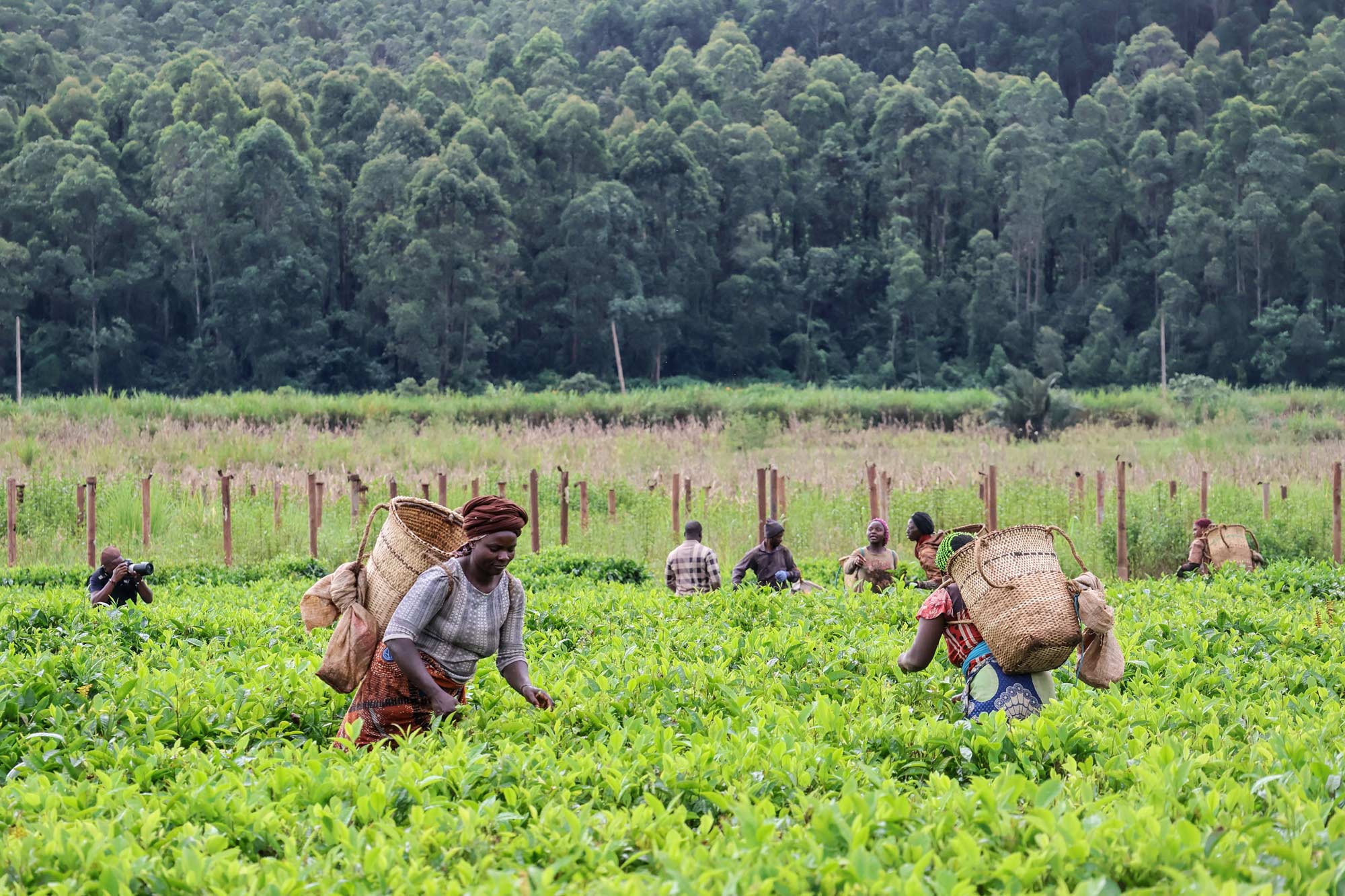
Coffee cultivation is an important part of the traditional agricultural life around Mount Kilimanjaro, particularly among the Chagga communities. During a village coffee experience, local guides explain how coffee trees are planted, maintained, and harvested throughout the year. Visitors can learn how farmers care for the plants, identify ripe coffee cherries, and understand the seasonal work involved in producing quality coffee.
Bean Processing
After harvesting, visitors can observe the traditional steps used to transform fresh coffee cherries into beans ready for roasting. Ripe cherries are peeled to remove the outer fruit before the beans are washed, fermented, and dried. Guides explain the purpose of each stage and how careful processing affects the quality, aroma, and flavor of the finished coffee.
Traditional Roasting
Traditional roasting provides an opportunity to see how coffee was prepared using simple methods passed through generations. The beans are commonly roasted over an open fire in traditional clay pots or iron pans, with the beans stirred carefully as they change color and release their distinctive aroma. This hands on process highlights the practical knowledge involved in preparing coffee within the village.
Grinding the Coffee
Once the beans have been roasted, they are traditionally ground by hand using wooden mortars. The activity becomes an important cultural experience as villagers may sing traditional Chagga songs while working, creating a lively atmosphere connected with community life and harvest traditions. Visitors gain a deeper appreciation of how coffee preparation can bring people together while reflecting local customs and heritage.
Brewing
The final stage is brewing the freshly prepared coffee for visitors to taste. Enjoying the finished drink provides a chance to appreciate the flavor and aroma of locally grown beans while learning more about the role coffee plays in Chagga culture and everyday life. The experience connects cultivation, traditional preparation, hospitality, and community traditions in one memorable activity.
Flora and Fauna found in Materuni
Common vegetation includes:
Giant ferns: These thrive in the moist forest environment and add to the area’s dense, green appearance.
Bamboo: Bamboo grows naturally in suitable sections of the surrounding highland landscape and provides important vegetation cover.
Wild orchids: These delicate plants add color and botanical interest to the forest and can be particularly rewarding for nature enthusiasts to discover.
Mosses: Moist conditions allow moss to grow on tree trunks, rocks, and shaded surfaces, contributing to the cool and atmospheric character of the forest.
Indigenous hardwood trees: Native trees form an important part of the forest ecosystem, providing shelter and food for wildlife..
Wildlife may include:
Blue monkeys: These agile forest primates can sometimes be observed moving through the trees or feeding among the vegetation.
Colobus monkeys: Their striking appearance makes them an interesting sight for visitors fortunate enough to encounter them in suitable forest habitats.
Bush squirrels: These small mammals may be seen moving quickly between trees, branches, and forest-floor vegetation.
Chameleons: Chameleons can occasionally be found among plants and branches, where their ability to blend into their surroundings makes them fascinating to observe.
Butterflies: The combination of flowering plants and humid forest conditions provides favorable surroundings for numerous butterfly species.
Birdwatchers can find the forest particularly rewarding because the combination of dense vegetation, cultivated areas, and highland habitats creates opportunities to observe a variety of mountain bird species.
Activities around Materuni Waterfalls
Waterfall Hiking
Waterfall hiking is one of the main experiences in Materuni. Guided trails pass through lush forest and cultivated areas before reaching the impressive waterfall, with the journey itself offering beautiful views and opportunities to observe the surrounding environment. The walk allows visitors to experience the cool mountain atmosphere while learning about local vegetation and the landscape around Mount Kilimanjaro.
Coffee Experience
The traditional coffee experience provides an opportunity to participate in the complete process of producing locally grown Arabica coffee. Visitors can learn how coffee is cultivated, harvested, processed, roasted, and ground before enjoying a freshly brewed cup.
Cultural Tours
Cultural tours introduce visitors to the traditions and everyday lifestyle of the Chagga people. Depending on the experience, travelers can learn about traditional farming methods, local food, music, household practices, and community customs.
Photography
Materuni provides numerous opportunities for photography, from the dramatic waterfall and dense green forests to coffee plantations, farmland, village scenery, and views toward Mount Kilimanjaro. Photographers can capture both natural landscapes and cultural details, including traditional farming activities and local surroundings.
Swimming
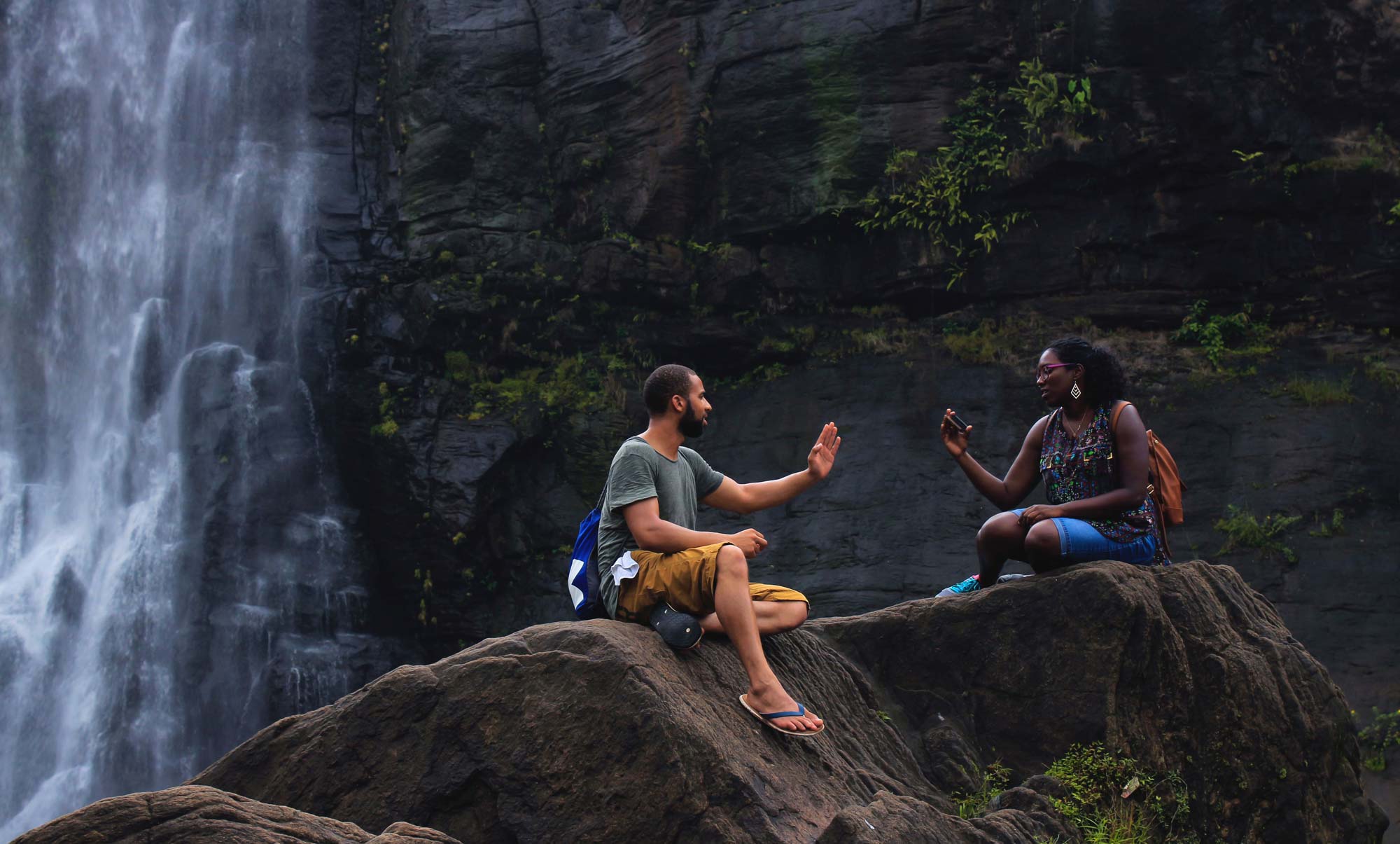
Visitors can enjoy a refreshing swim in the natural pool beneath the waterfall when conditions are suitable. The mountain water can be noticeably cool, making the experience especially invigorating after completing the hike.
Nature Walks
Guided nature walks provide a slower way to explore Materuni’s forests, farms, and surrounding countryside. Local guides can point out different plants, explain traditional uses of vegetation, and identify wildlife that might otherwise go unnoticed.
Best Time to Visit in Materuni Waterfalls
Materuni Waterfalls can be visited throughout the year.
June – October (Dry Season)
The dry season offers pleasant hiking conditions, clear mountain views, and easier walking trails.
Ideal for:
- Hiking
- Photography
- Coffee tours
- Village walks
November – May (Rainy Seasons)
The rainy months bring lush green vegetation and stronger waterfall flow.
Although trails may become muddy, the scenery becomes exceptionally vibrant and the waterfall reaches its most dramatic appearance.
Why Visit Materuni Waterfalls?
Materuni Waterfalls offers an unforgettable combination of natural beauty, cultural heritage, and outdoor adventure. Unlike many destinations that focus on only one attraction, Materuni allows visitors to immerse themselves in Tanzania’s mountain landscapes while learning about the traditions of the Chagga people and experiencing the complete journey of coffee production.
The scenic hike through coffee plantations, the refreshing spray of the towering waterfall, the aroma of freshly roasted Arabica coffee, and the warm hospitality of the local community create memories that stay with travelers long after their visit. Whether you are seeking relaxation, adventure, photography, or cultural discovery, Materuni provides a truly authentic experience on the slopes of Africa’s highest mountain.
Its convenient location near Moshi and Kilimanjaro International Airport also makes it an ideal addition to a Mount Kilimanjaro climb, a northern Tanzania safari, or a Zanzibar beach holiday, offering visitors a chance to experience another side of Tanzania’s extraordinary natural and cultural diversity.
Our Gallery
Frequently Asked Questions (FAQs)
Is Materuni Waterfalls worth visiting?
Yes. Materuni Waterfalls is one of Tanzania’s most beautiful natural attractions, offering spectacular scenery, a scenic hike, traditional coffee tours, and authentic Chagga cultural experiences all in one destination.
How long does the hike to the waterfall take?
The guided hike usually takes 45 minutes to 1.5 hours each way, depending on your pace and trail conditions.
Can I swim at Materuni Waterfalls?
Yes. Visitors can swim in the natural pool beneath the waterfall, but the water is very cold because it comes directly from Mount Kilimanjaro.
Is the hike suitable for beginners?
Yes. The trail is suitable for most people with a moderate level of fitness, though some sections may be steep or slippery during the rainy season.
Can I combine Materuni with other attractions?
Absolutely. Materuni Waterfalls is commonly combined with Kikuletwa (Chemka) Hot Springs, Mount Kilimanjaro, Moshi town, Arusha National Park, or a Northern Tanzania safari to Serengeti, Ngorongoro, Tarangire, and Lake Manyara, making it an excellent day trip or part of a longer Tanzanian adventure.
Book Your Safari
Book your Safari today and create unforgettable memories.
Price Per Person $ 130